 efistu.com Home Decor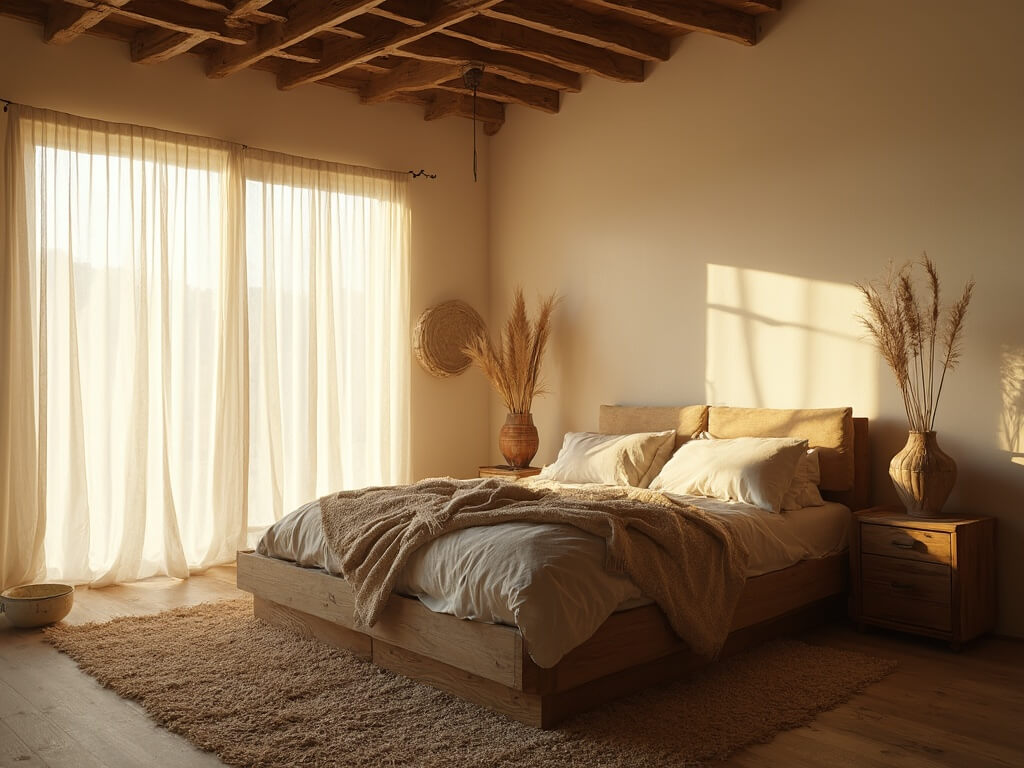
Wabi-Sabi Bed: Designing a Tranquil Haven Rooted in Imperfect Elegance
Crafting a wabi-sabi bed is an invitation to embrace genuine comfort that soothes quietly rather than demands attention.
My exploration of wabi-sabi began with a simple insight: chasing flawlessness drains energy, but authentic charm thrives in imperfection.
Understanding the Essence of a Wabi-Sabi Bed
A wabi-sabi bed transcends mere furniture—it embodies a lifestyle philosophy centered on:
- Appreciating the beauty found in natural flaws
- Preferring simplicity and understated elegance
- Respecting materials in their raw, unrefined form
- Fostering an environment of calm and peacefulness
How to Create Your Wabi-Sabi Bedroom Oasis
Step 1: Selecting the Perfect Bed Frame
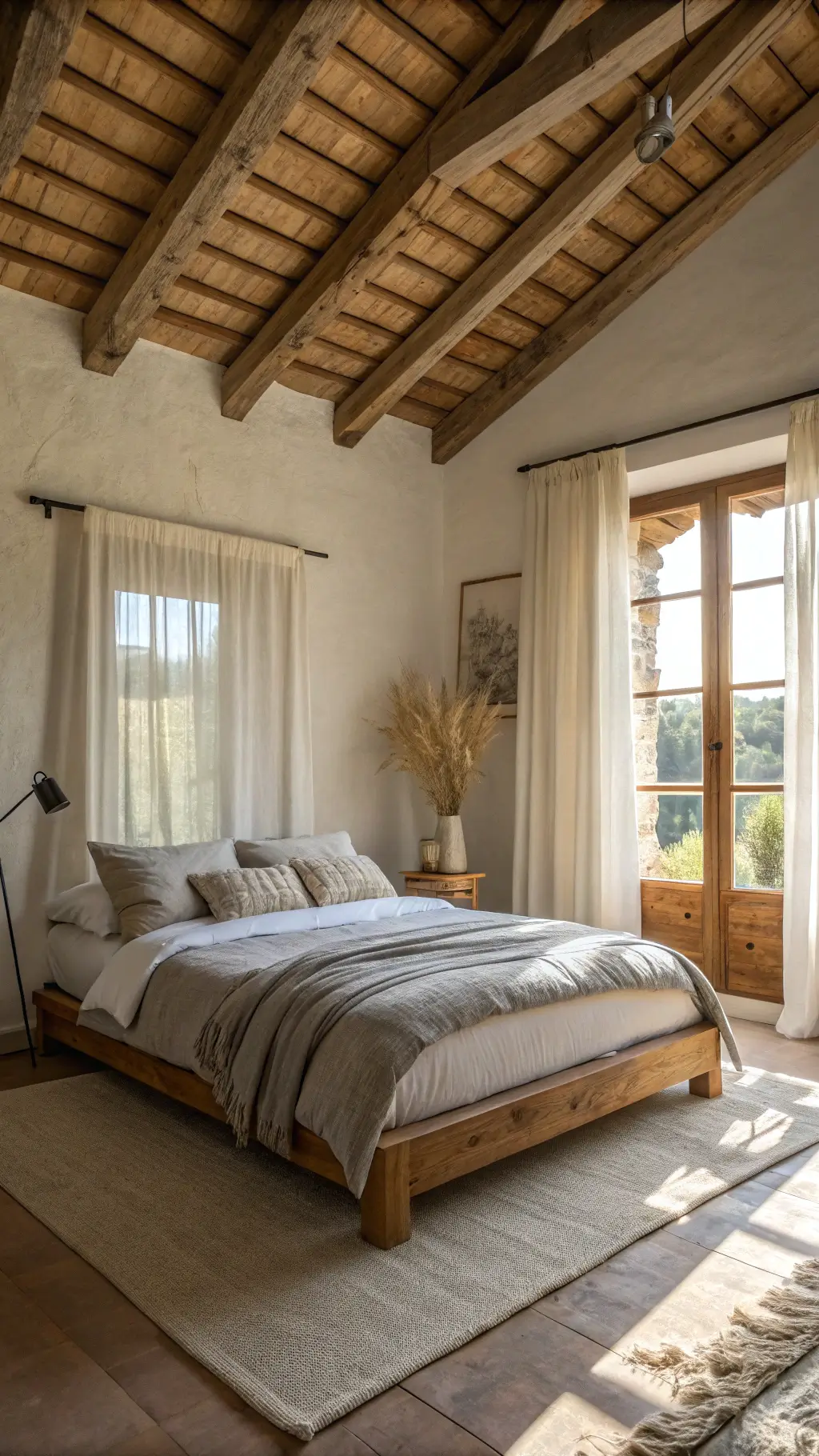
Steer clear of shiny, overly polished finishes. Your bed frame should narrate a story of authenticity:
- Opt for low-profile frames that sit close to the floor
- Choose unfinished or lightly treated wood showcasing natural grain and knots
- Consider sustainable materials like reclaimed wood, bamboo, or raw timber
- Welcome every crack and imperfection as part of its character
Step 2: Embracing a Subtle, Earthy Color Scheme
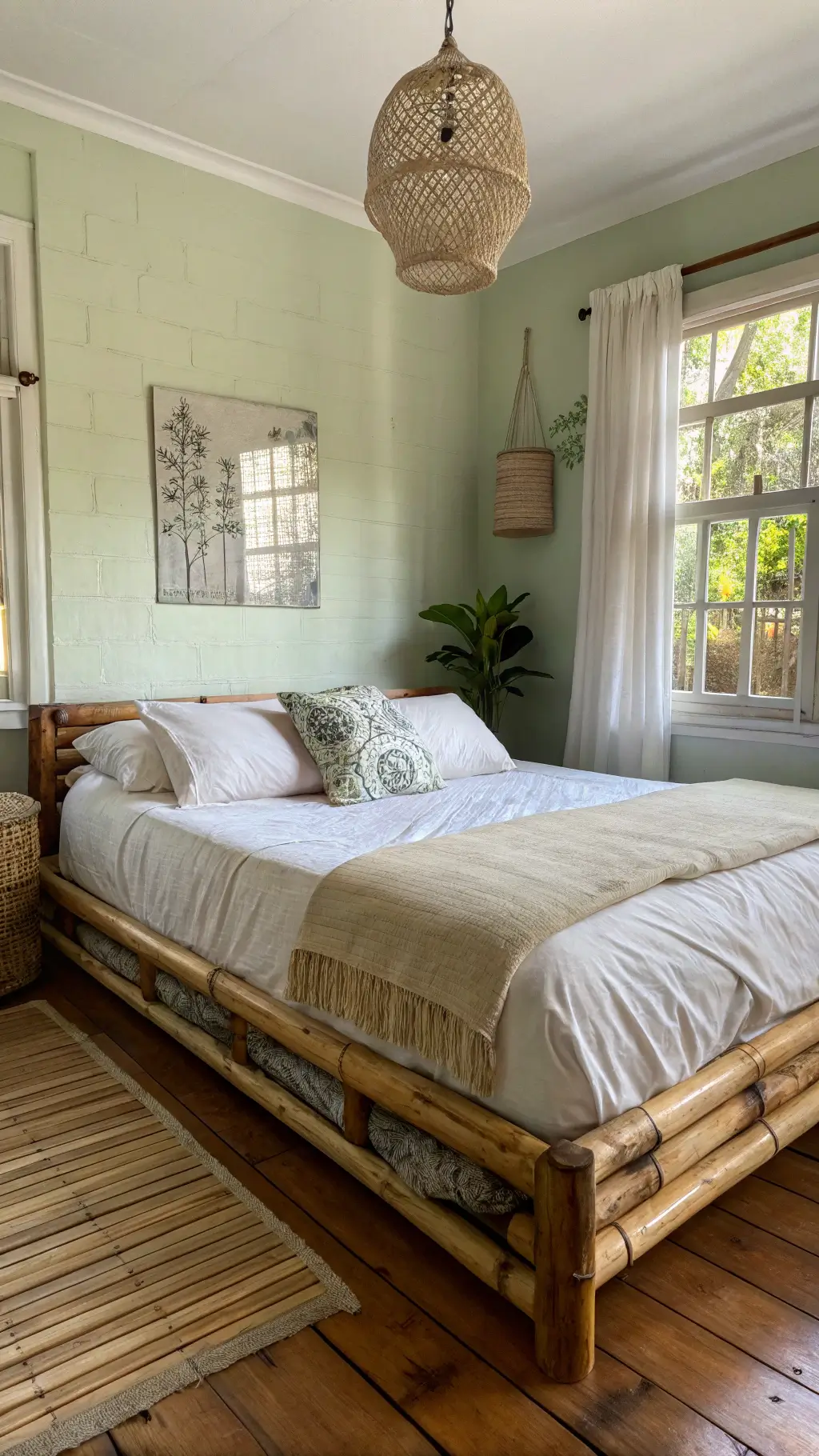
Choose hues that evoke a sense of calm and softness:
- Warm beige tones
- Soft taupe shades
- Gentle grays
- Off-white and cream colors
- Muted natural whites
These colors enhance natural light and cultivate a serene atmosphere, turning your bedroom into a restful retreat.
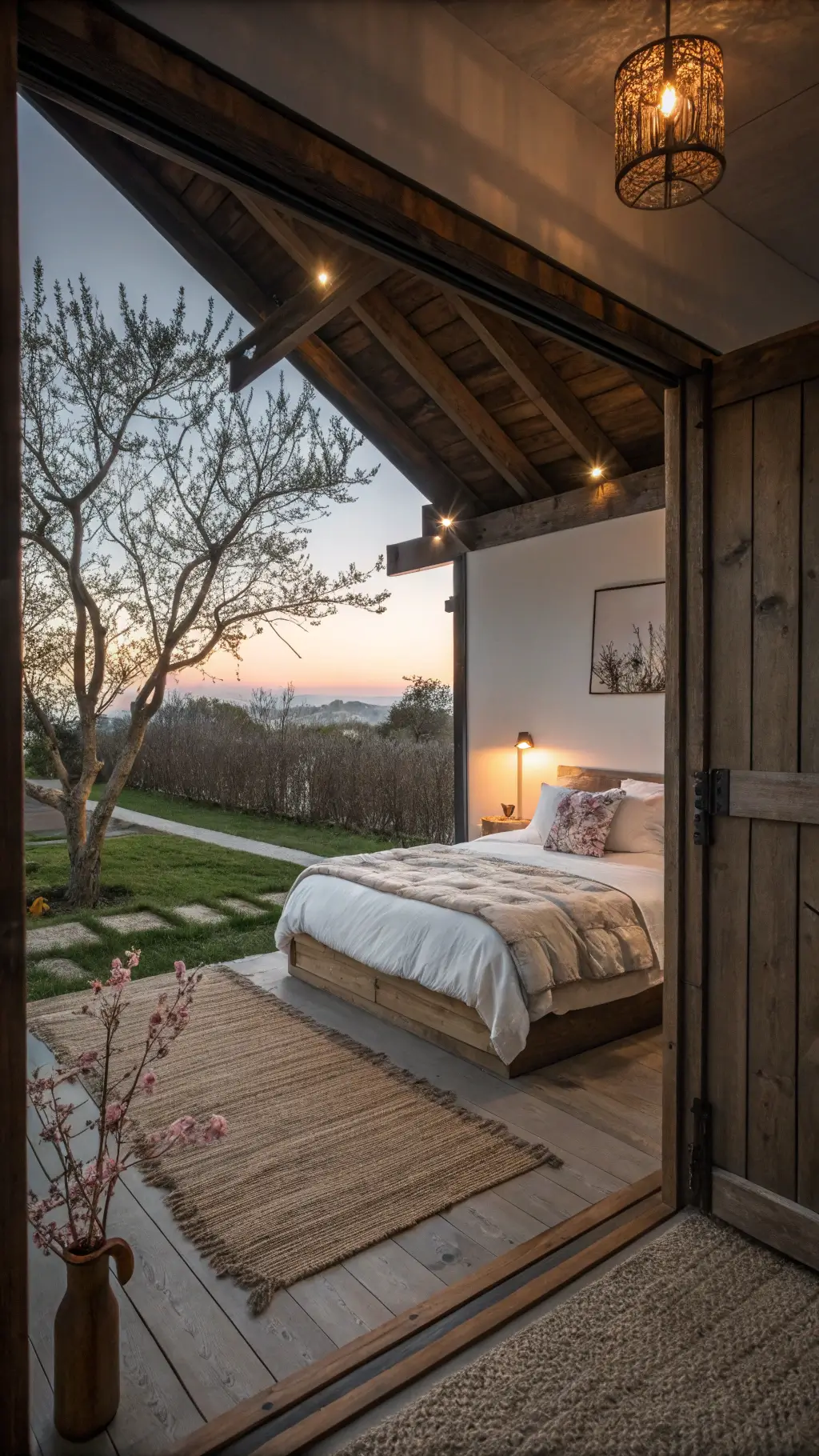
Step 3: Selecting Textiles That Speak Comfort
Textiles in a wabi-sabi bedroom prioritize tactile experience over perfect coordination:
- Natural linen sheets without dyes
- Organic cotton fabrics
- Soft wool throws
- Handcrafted blankets
- Celebrate wrinkles and folds as marks of authenticity
Expert Tips for Layering Textures
- Combine different fabric textures thoughtfully
- Use varying shades within the same color family
- Let fabrics fall naturally without forced symmetry
- Steer clear of overly matched or rigid arrangements
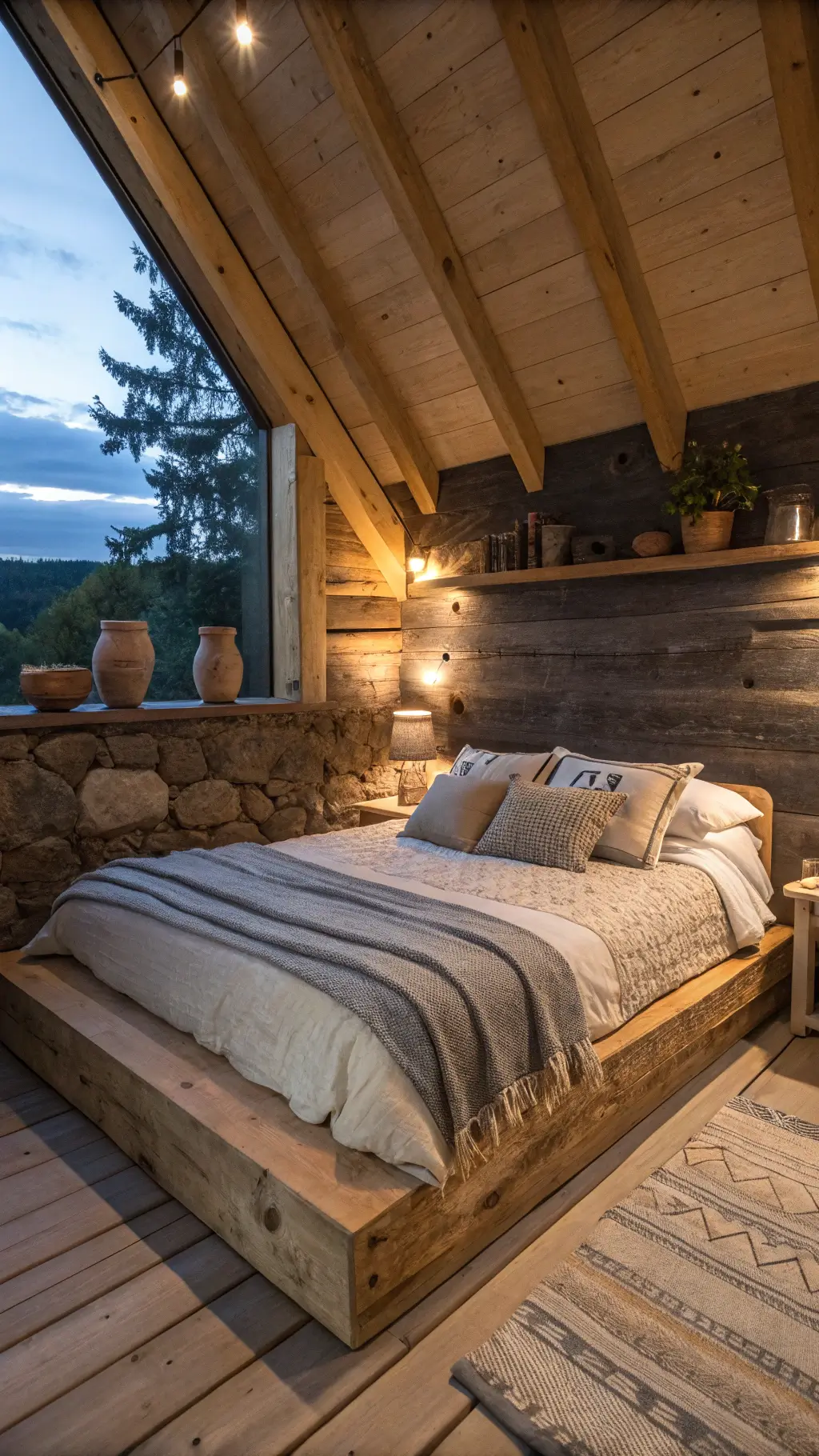
Step 4: Minimalist Accessories with Meaning
Choose decor items with care and purpose:
- A single handcrafted ceramic piece
- A modest potted plant to bring life
- A rustic wooden tray with visible wear
- A cherished photograph or artwork with personal significance
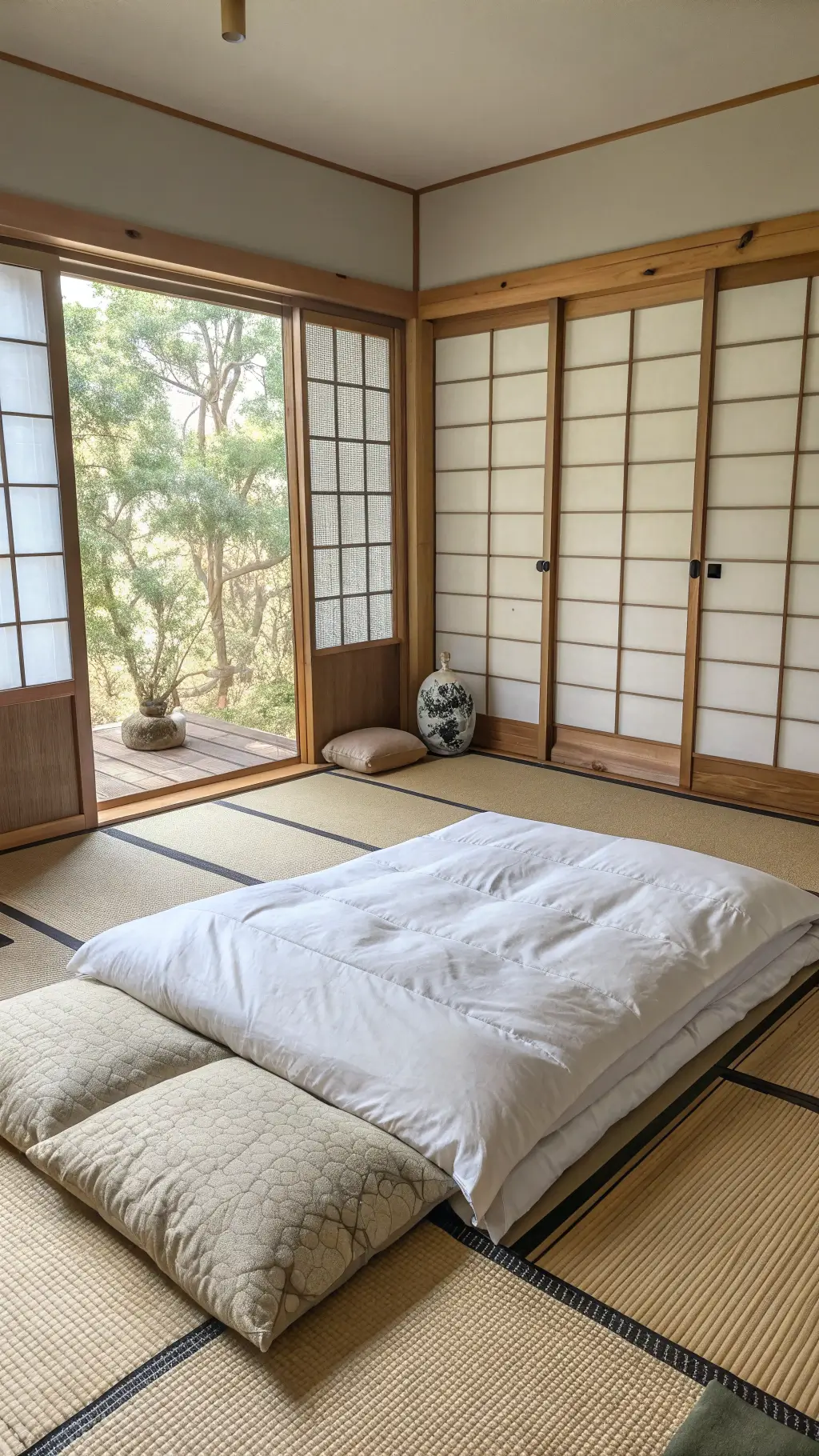
Setting the Mood: Lighting and Ambiance
Soft, warm lighting is essential to evoke a cozy and inviting atmosphere:
- Use lamps with warm-colored bulbs
- Maximize natural daylight where possible
- Incorporate lampshades with texture to diffuse light gently
- Favor indirect lighting to avoid harsh glare

Practical Guidelines for Maintaining Your Wabi-Sabi Bedroom
- Allow ample space around furniture to promote openness
- Incorporate items with sentimental value or history
- Switch out textiles seasonally to keep the space fresh
- Accept and appreciate the natural aging and patina of materials

Capturing and Sharing Your Wabi-Sabi Bedroom
When photographing your wabi-sabi bedroom, consider these tips:
- Shoot during soft morning or late afternoon light for gentle shadows
- Highlight textures and subtle imperfections
- Use a mix of wide-angle and close-up shots
- Focus on organic details that tell a story
Creative Caption Ideas
- “Authenticity shines brighter than perfection”
- “Where simplicity and soul intertwine”
- “Celebrating the beauty in life’s imperfections”
Closing Reflections
Designing a wabi-sabi bed is less about rigid guidelines and more about cultivating a space that truly resonates with your essence.
Your bedroom should mirror your inner tranquility—embracing flaws, soft contours, and natural beauty.
Keywords: wabi-sabi bedroom, natural bedding, minimalist decor, serene sleeping space, organic bedroom design