 efistu.com Home Decor
Welcome to the Heart of the home:
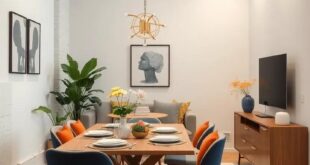
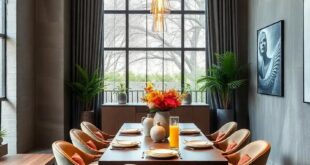
Transforming your dining room into a captivating space isn’t just about aesthetics; it’s about creating an atmosphere that invites connection, comfort, and memorable gatherings. Whether you’re hosting an intimate dinner party or enjoying a casual family meal, the right layout can substantially enhance the experience. In our complete listicle, we will explore 29 essential dining room layout tips that cater to both functionality and style.
From clever furniture arrangements to the optimal placement of décor, you’ll discover how to maximize your space while reflecting your personal taste. Expect to gain practical advice on creating a harmonious flow, ensuring every meal feels special and every gathering becomes a cherished memory. Ready to elevate your dining experience? Let’s dive in and inspire your next design project!
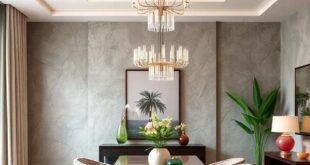
Embrace the Focal Point: Choose a striking centerpiece like a chandelier or a large piece of art to draw the eye and anchor the room
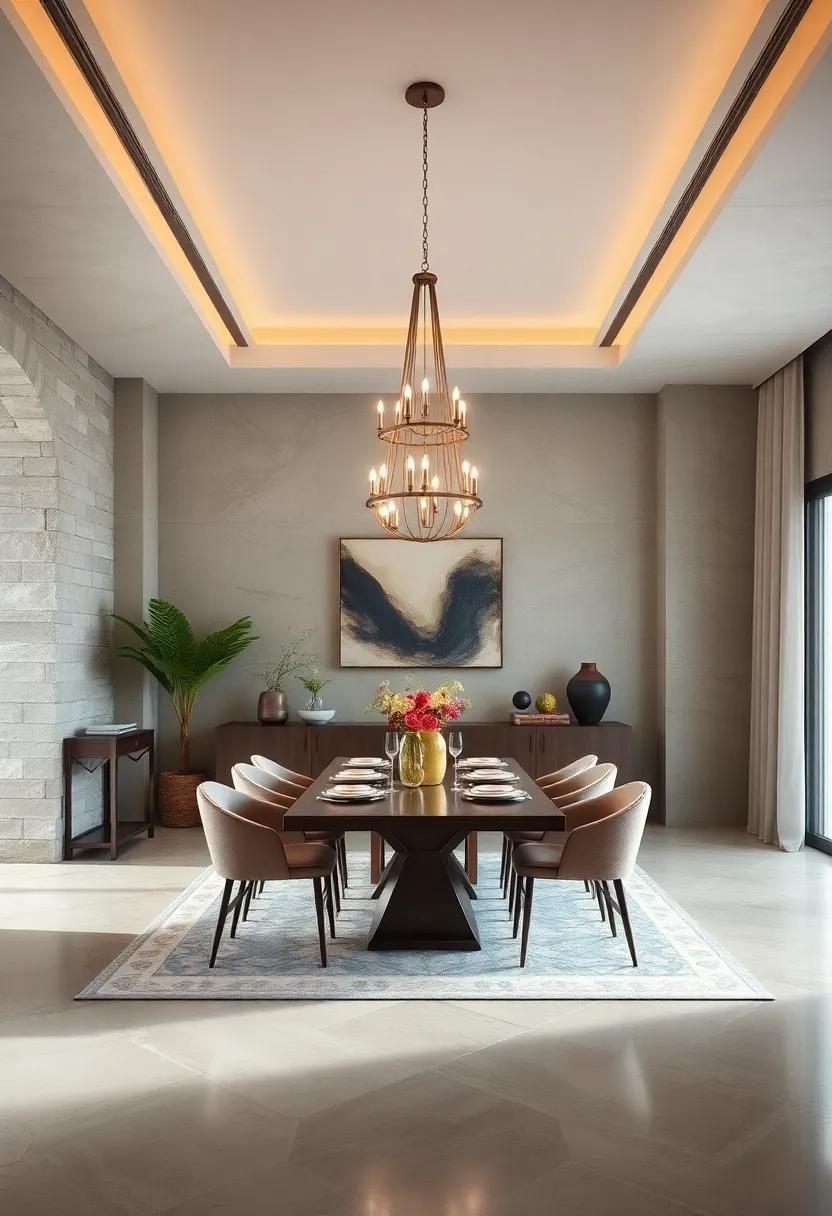
Creating a captivating atmosphere in your dining room starts with emphasizing a central element that can transform the space.A stunning chandelier can not only illuminate the room but also serve as a bold statement piece that defines the area. Opt for designs that fit the overall theme, whether it’s modern, rustic, or eclectic. Consider the size of your dining table and ceiling height when selecting, as a chandelier that is too large can overwhelm the room, while a small one might get lost. For an added touch, choose fixtures with multi-materials, such as combining metal and glass or adding unique finishes.
Alternatively, large pieces of art can serve as an anchor for your dining room, drawing the eye and sparking conversation among guests. When selecting artwork, think about colors and themes that complement your existing decor. Hang the piece at eye level and ensure it isn’t competing with other design elements, such as furniture or windows. Incorporating a gallery wall with a mix of different sized frames can create a dynamic look, while a single large canvas serves as a complex focal point. To keep the dining experience engaging, consider rotating art throughout the seasons or to match special occasions.
Consider Traffic Flow: Ensure there’s enough space for guests to walk around the table comfortably by leaving at least 36 inches of clearance
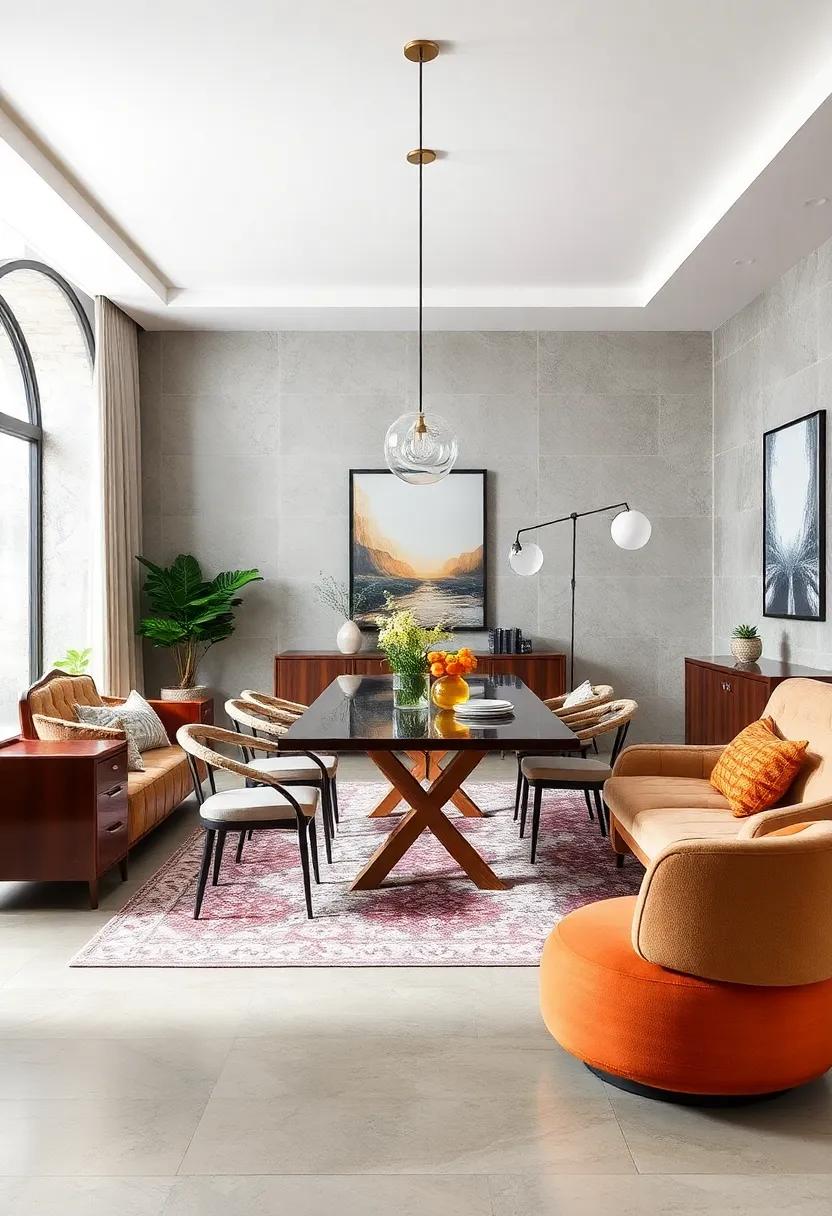
When planning your dining room layout, it’s essential to prioritize the flow of movement around the table. Guests should be able to navigate the space without feeling cramped, and ensuring a minimum of 36 inches of clearance permits a relaxed dining experience. This generous allowance not only helps in avoiding the awkward shuffle around the table but also enhances the overall ambiance of the room. Think about how guests will move to their seats and mingle during social gatherings; a well-designed flow can significantly elevate the dining experience.
To optimize the arrangement, consider the following tips for maintaining a smooth traffic flow:
- Position the Table Centrally: Centering your dining table in the room creates symmetry and draws attention.
- Avoid Clutter: Ensure that decor items and furniture do not impede movement paths, allowing for easy access to the table.
- Arrange Chairs Wisely: Opt for chairs that can be easily pushed back without obstruction, allowing guests to rise and sit with ease.
- Clear Pathways: Designate clear walkways to the entrance, kitchen, and other areas to minimize traffic jams, especially during gatherings.
Choose the Right Table shape: Opt for a rectangular table for narrow spaces, while round tables can foster conversation in smaller, casual settings
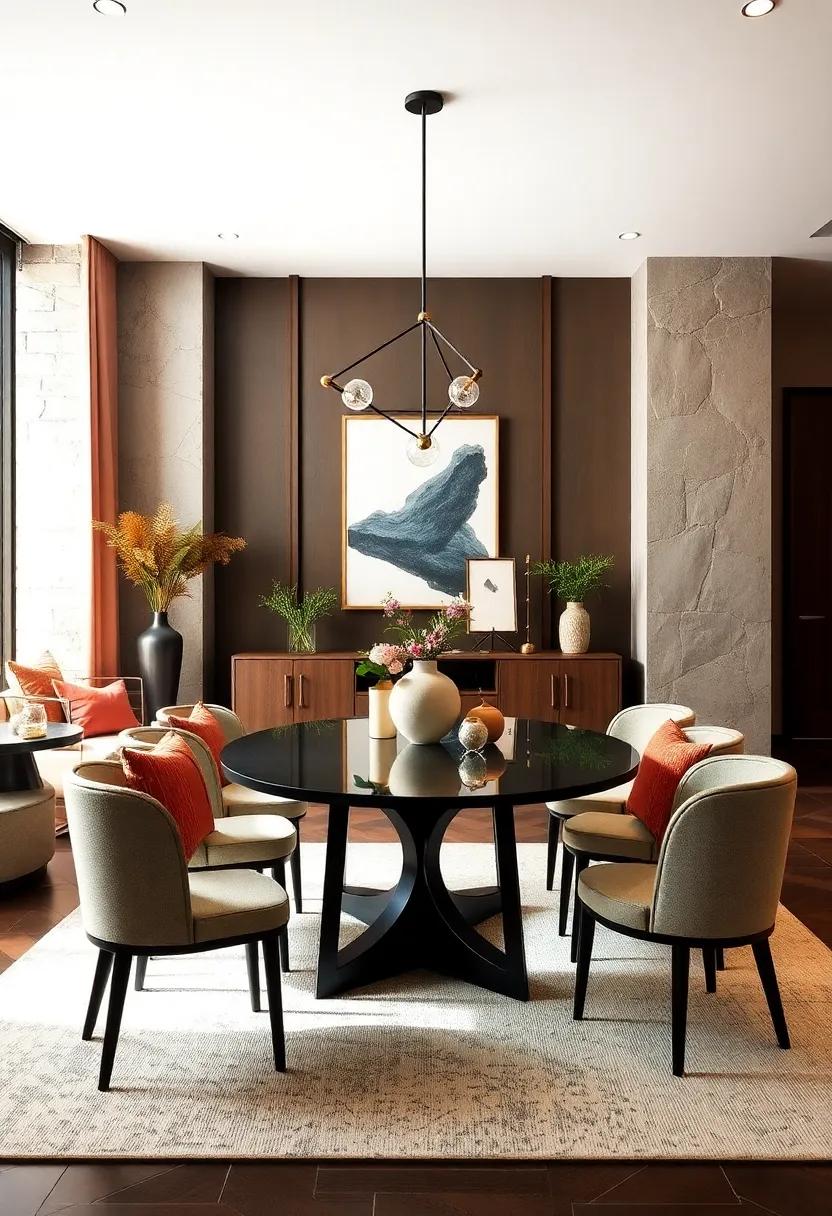
When designing your dining area, the shape of your table plays a pivotal role in maximizing both the functionality and aesthetic appeal of your space. For narrow areas, rectangular tables are the go-to choice. Their linear design allows for efficient use of space, enabling you to comfortably seat more guests without sacrificing movement.These tables can be tucked against walls or easily positioned in long, narrow rooms, creating a structured and organized look. Along with accommodating larger parties, they provide the possibility for stylish table settings that can enhance the overall dining experience.
On the other hand,if you’re aiming for a cozy,intimate vibe in a smaller setting,round tables are an excellent option. The absence of corners invites guests to draw closer,fostering an atmosphere perfect for conversation and connection. These tables encourage face-to-face interaction and can be a charming centerpiece in casual dining rooms. Whether you opt for a sleek modern design or a rustic wooden piece, round tables can seamlessly fit into almost any environment, bringing warmth and a sense of togetherness to meals.
Create Zones: Divide the room into functional areas, such as dining and entertaining, to make the space more versatile and engaging
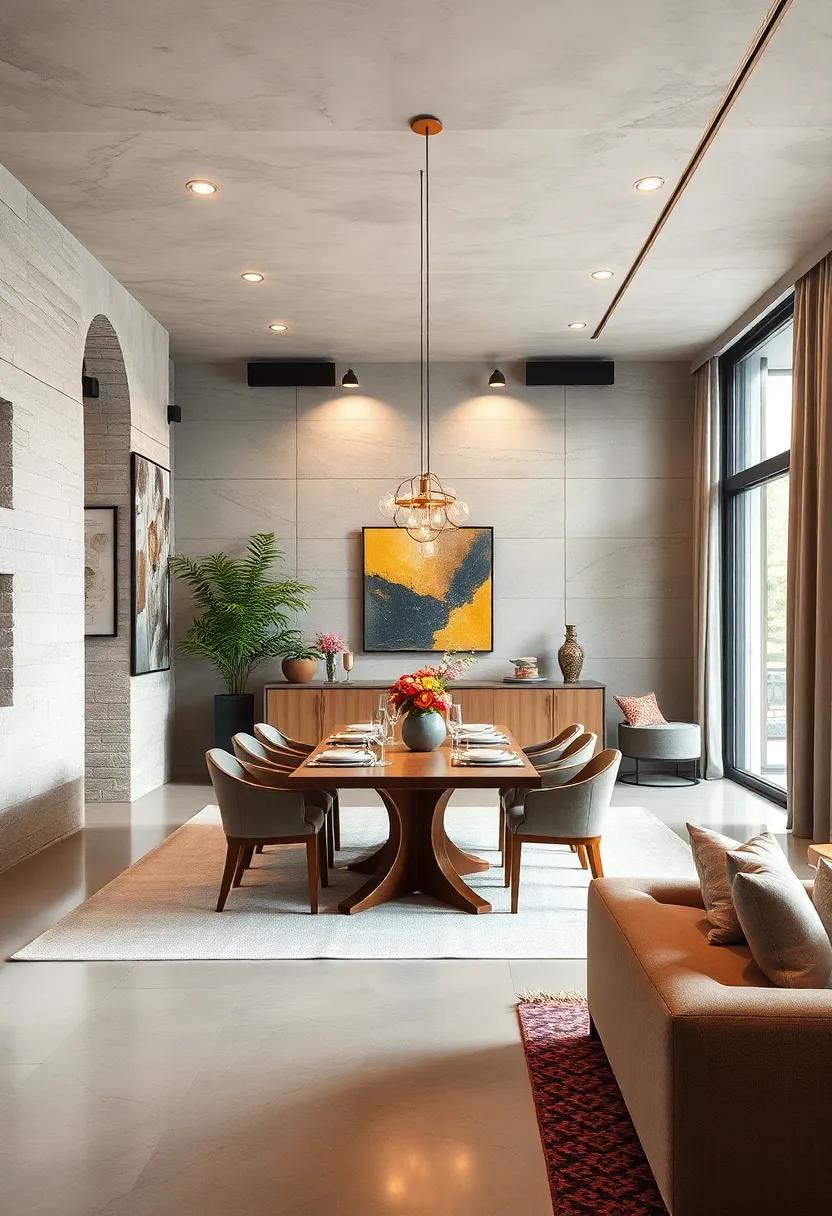
To maximize the potential of your dining room, creating distinct zones can transform it into a multifaceted environment that caters to various activities. Consider separating areas based on functionality. For instance, designate one area as a cozy dining corner with a stylish table and comfortable chairs, while another corner could be reserved for entertainment or relaxation, equipped with side tables and comfy seating. This arrangement not only organizes the flow of movement but also enhances the room’s aesthetic appeal, encouraging both formal dinners and casual gatherings.
When delineating these zones, think about incorporating elements like area rugs or decorative screens to create visual boundaries without sacrificing openness. Lighting can also play a crucial role; consider using pendant lights above the dining table, while softer, ambient lighting can set the mood in the entertaining area. Additionally, styling each zone with unique decor can help to highlight their purpose and make the space feel curated. Hear’s a simple table to illustrate potential zone ideas:
| Zone | Purpose | Suggested Elements |
|---|---|---|
| Dinner Zone | Formal dining | Elegant tableware, decorative centerpieces |
| Entertainment Zone | Casual gatherings | Comfy seating, multimedia options |
| Planning Zone | Meal prep and storage | Storage shelves, a prep island |
Mind the Scale: select furniture that matches the size of your dining room; oversized pieces in a small room can feel cramped, while tiny pieces can get lost in a large space
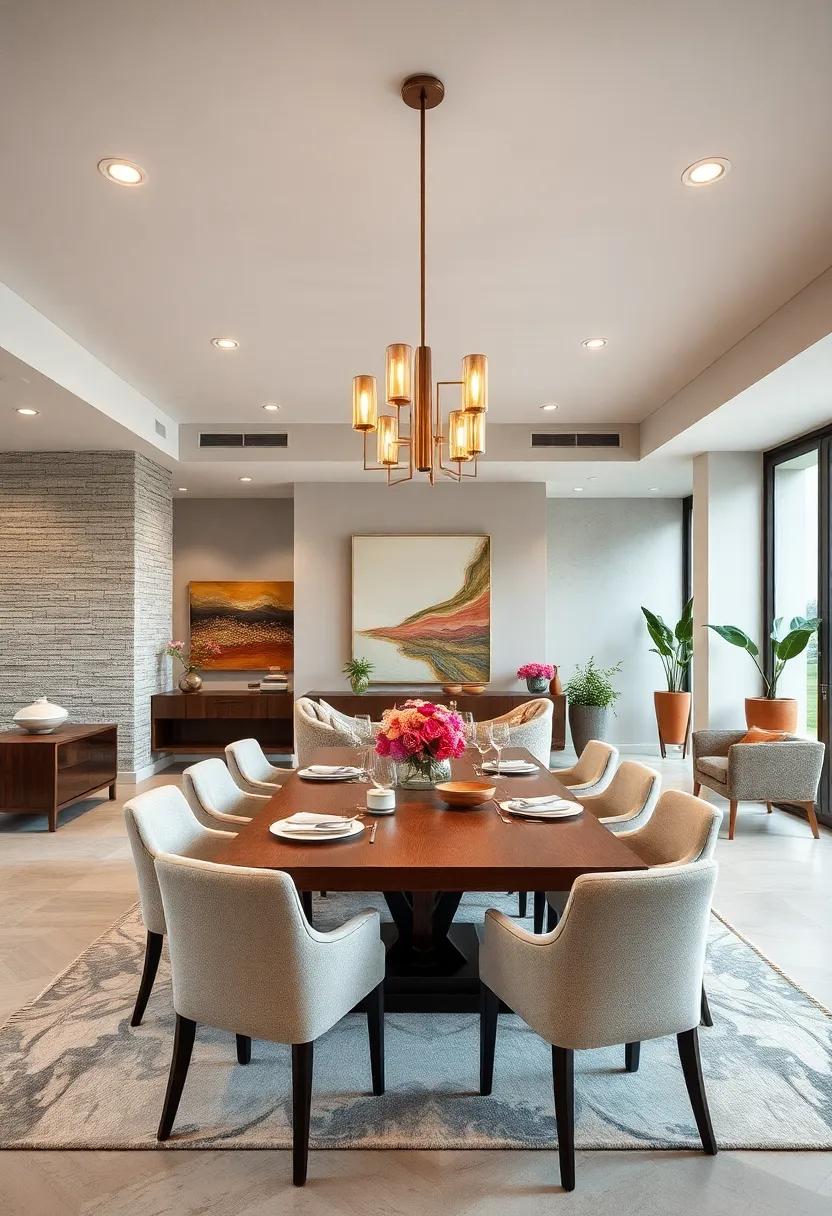
Choosing the right size of furniture is crucial for creating a harmonious dining room atmosphere. Oversized pieces in a compact space can overwhelm the room, making it feel cramped and cluttered. Conversely, selecting small, dainty furniture for an expansive dining area can lead to an awkward ambiance that lacks impact. To create an inviting ambience, consider the following tips:
- proportional Balance: Aim for furniture that harmonizes with your dining room dimensions. A large table can dominate a small room, while a petite table in a grand setting might feel insubstantial.
- Visual Grounding: Use area rugs to define spaces,ensuring furniture sizes are scaled appropriately within their defined zones for visual coherence.
- Movement Space: Leave sufficient space around the furniture for easy movement, making the room functional as well as stylish.
- Flexible Seating: Choose chairs that can be easily tucked away or added, adapting to your needs without overcrowding.
To illustrate the effects of scale,consider this simple table that compares recommended dimensions for different dining room sizes:
| Room Size | table Size | Chair Count |
|---|---|---|
| Small (up to 100 sq. ft.) | Round table, 36-48 inches | 4-6 chairs |
| Medium (100-200 sq. ft.) | Rectangular table, 60-72 inches | 6-8 chairs |
| Large (over 200 sq. ft.) | Rectangular or oval table,72 inches and up | 8-12 chairs |
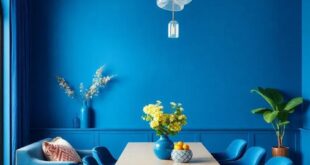
Use Color Wisely: Incorporate colors that evoke warmth and appetite,like earthy tones or deep hues,while keeping the overall palette cohesive
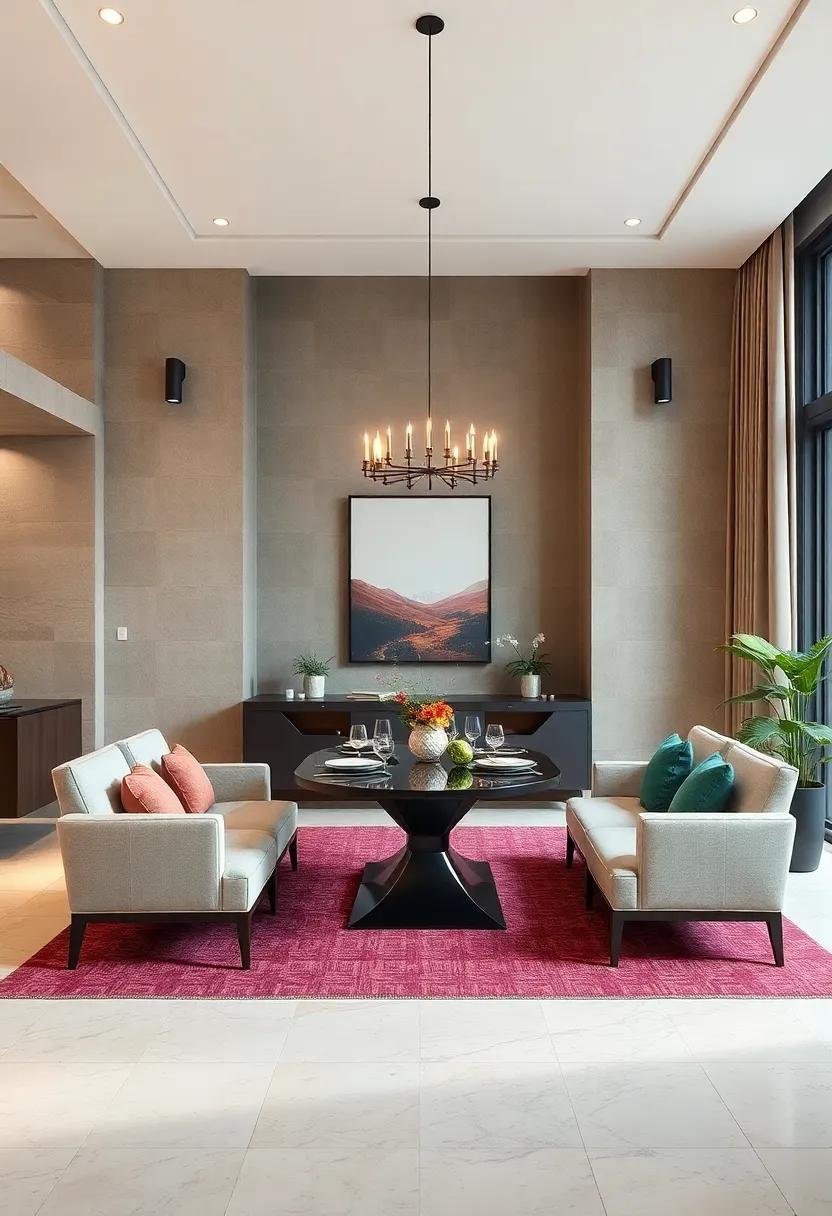
When it comes to designing a dining room, the right color palette can set the mood for every meal. Opt for earthy tones like rich browns, deep greens, or terracotta that not only elicit feelings of warmth but also stimulate the appetite. These hues create a cozy environment that invites family and friends to linger over dinner, making every meal feel special. You could also consider incorporating deep hues such as burgundy or navy blue to add elegance and a touch of sophistication, which can enhance the overall aesthetic of your space.
To maintain a cohesive look, it’s essential to blend these colors harmoniously throughout the room. Consider painting your walls in a soft taupe and introducing darker accents thru your furniture, tableware, or decor pieces like artwork and centerpieces. here’s a simple way to visualize your color selections:
| Color Type | Examples | Emotion Evoked |
|---|---|---|
| Earthy Tones | Terracotta,Olive Green,Warm beige | Cozy,Inviting |
| Deep Hues | Burgundy,Navy Blue,Forest Green | Elegant,Sophisticated |
By thoughtfully selecting colors that resonate with warmth and appetite,you not only elevate the visual appeal of your dining area but also enhance the dining experience itself. Remember, the key is balance—too many clashing colors can detract from the ambiance you’re trying to create. Aim for a palette that feels both unified and welcoming, allowing each dish served at your table to take center stage.
Maximize Light: use layers of lighting—ambient, task, and accent—to create a warm and inviting atmosphere for different occasions
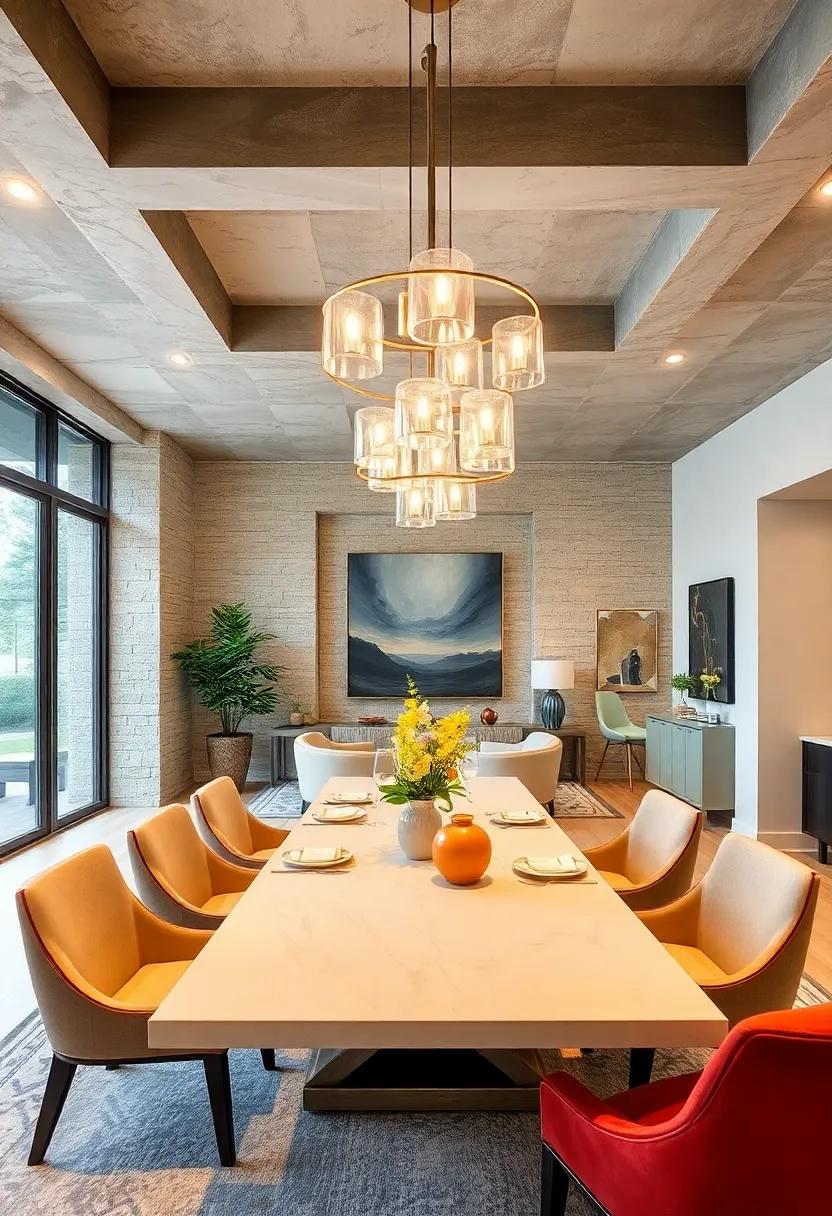
Layering lighting in your dining room not only enhances the overall aesthetic but also sets the mood for any occasion. Start with ambient lighting, which forms the foundation of your space.This can be achieved through ceiling fixtures, recessed lighting, or even wall sconces that provide a warm glow. Next, incorporate task lighting to illuminate specific areas where activities take place, such as pendant lights over the dining table or under-cabinet lighting in a serving area. This functional aspect ensures that no detail is overlooked during mealtime, enhancing both safety and ambiance.
To add depth and interest to your lighting scheme, integrate accent lighting. This can be achieved through spotlights that highlight artwork, decorative elements, or architectural features within the room. By strategically placing dimmer switches on these layers, you can easily adjust the intensity of your lighting to suit different occasions—whether it’s a festive gathering or an intimate dinner. Consider using a combination of warm hues in your fixtures to evoke a cozy feel, inviting guests to relax and enjoy their time at your table.
Personalize with Art: Display artwork or photographs that reflect your personality, making the dining area feel unique and inviting
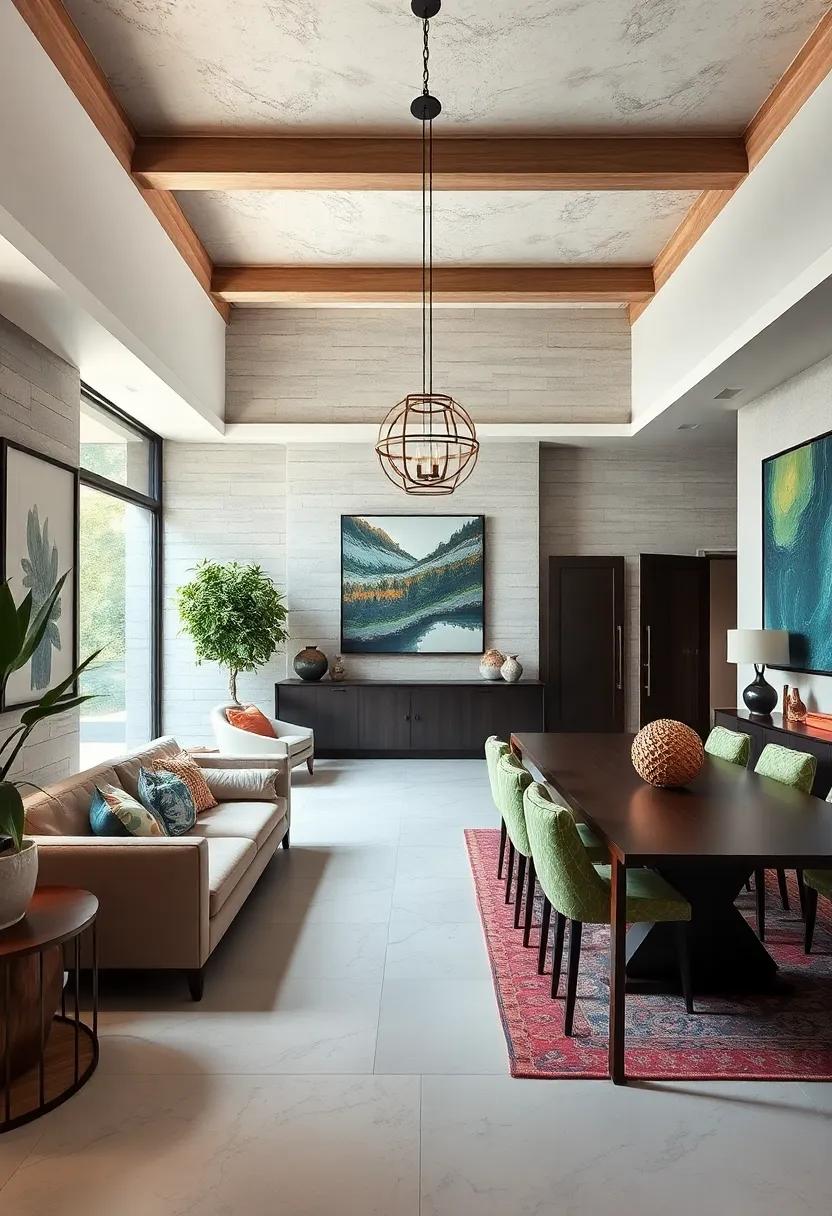
Adding personal artwork and photographs to your dining area transforms the space into a true reflection of you. Consider creating an eclectic gallery wall that showcases a mix of your favorite pieces, such as vibrant abstract paintings, cherished family photos, or even local artist works. this not only adds color and life but also serves as a conversation starter during meals. To create harmony, choose a color palette that complements your existing decor, allowing the art to enhance rather than overpower the ambiance of your dining room.
Another engaging way to personalize your dining space is incorporating thematic elements that resonate with your interests or travels. As a notable example, if you adore exploring different cultures, you might showcase artifacts from your travels alongside photos depicting memorable experiences. Mixing textures and frames can add depth,so try using varied materials for the frames or display methods like floating shelves or easels.Here’s a simple guide to help you brainstorm ideas:
| Artwork type | Suggested Display Method |
|---|---|
| Abstract paintings | Framed in contrasting colors |
| Family Photos | Gallery wall with unified frames |
| Travel Souvenirs | Shadow boxes or shelves |
| Local Art | Rotate regularly for freshness |
Incorporate Texture: Use a variety of materials—like wood, metal, glass, and textiles—to add depth and interest to your dining room design
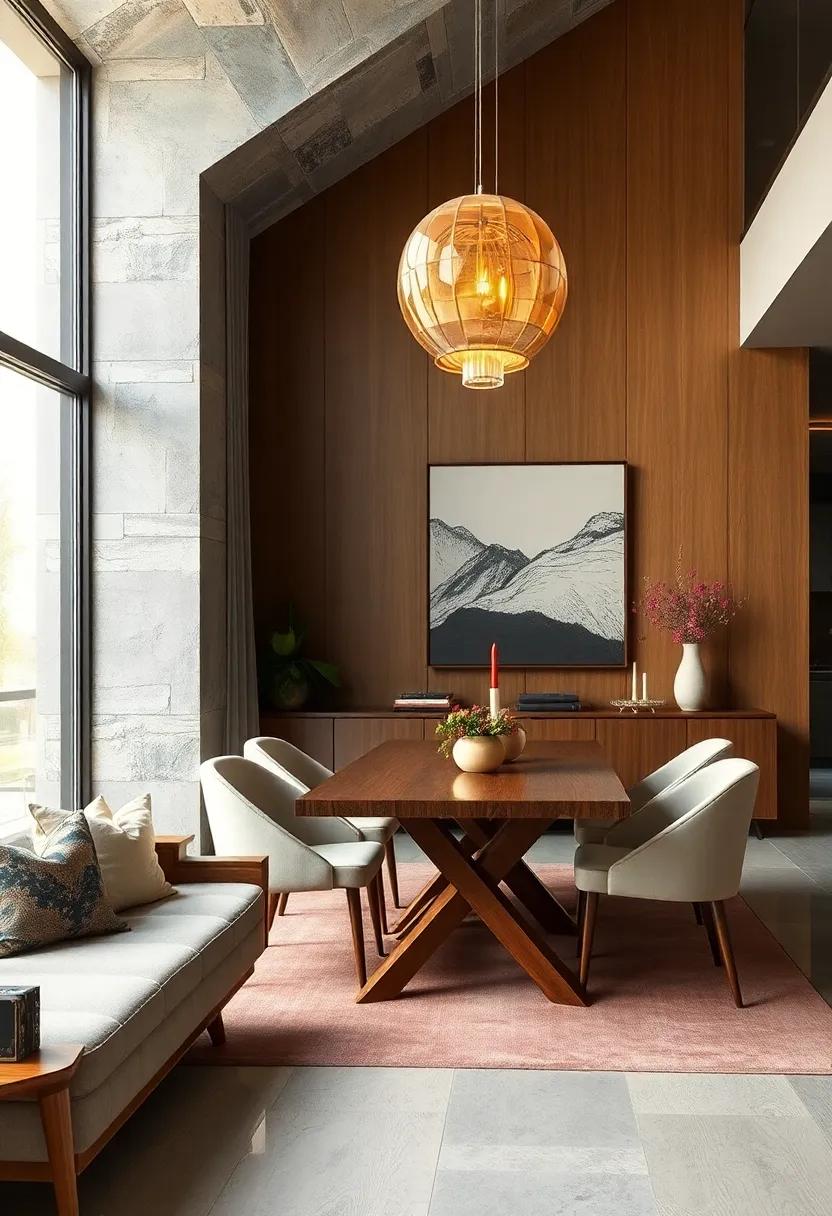
Creating a visually captivating dining room goes far beyond choosing paint colors and furniture arrangements. to truly elevate your space, consider using a mix of materials that introduce tactile contrast and visual intrigue. Start by incorporating elements like wood, which brings warmth and a sense of nature into the room.Think about a rustic wooden dining table paired with sleek metal chairs for a sophisticated juxtaposition. You can also highlight glass features, such as pendant lights or a mirrored accent piece, that can reflect light and expand the perception of space.Additionally,adding textiles like upholstered chair cushions or an elegant area rug can soften the look and provide comfort,making your dining experience much more enjoyable.
When it comes to layering these materials, it’s all about balance. Use a combination of natural and industrial elements to create harmony. for instance, you might opt for a wooden table on a metal base, accented by glass centerpieces that draw the eye. emphasize cozy textures with fabrics—a velvet runner can contrast beautifully against a hardwood table. Pay attention to the color palette; pairing earthy tones with metallic accents can create a refined aesthetic. By thoughtfully mixing materials indoors, you not only enhance the visual appeal of your dining area but also set the stage for memorable meals shared with family and friends.
Play with Patterns: Mixing different patterns can create visual intrigue,but be sure to maintain a sense of balance by choosing a unifying color palette
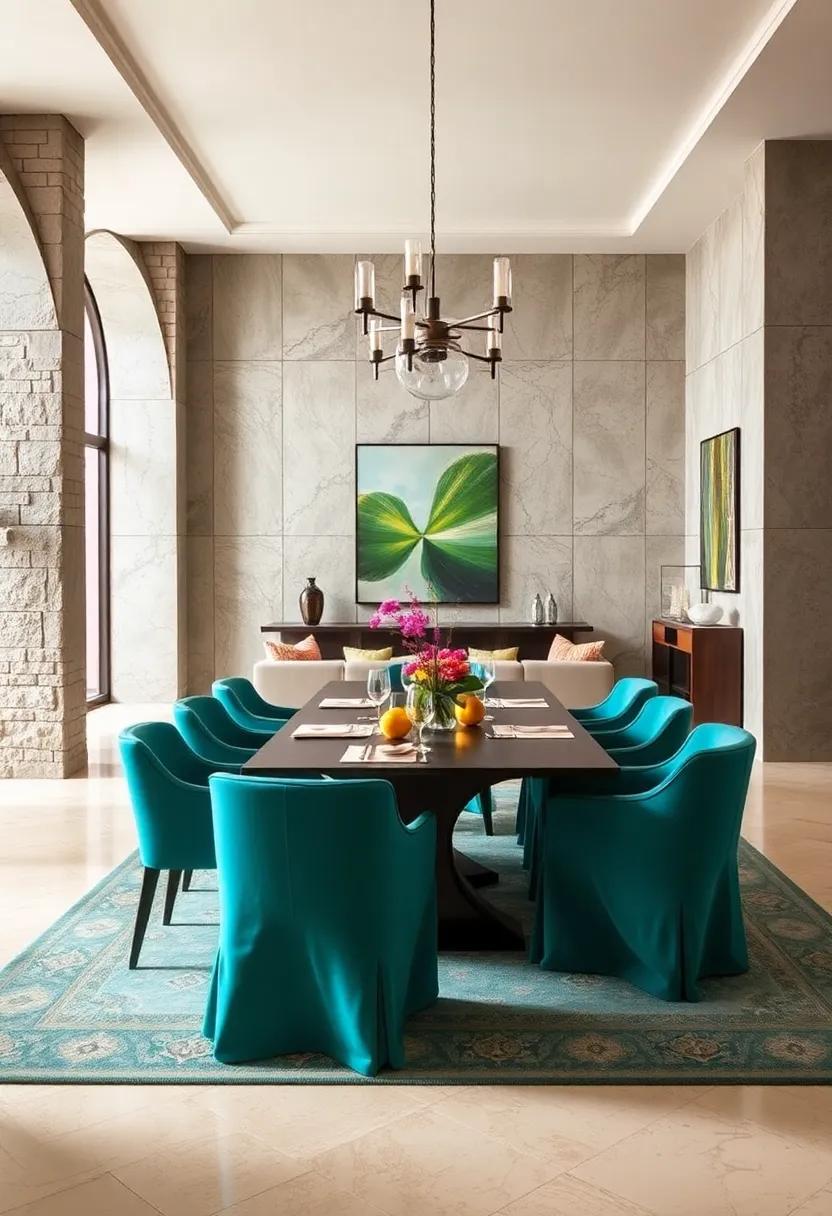
Infusing your dining room with various patterns adds depth and character to the space. To achieve a harmonious mix, start by selecting a unifying color palette that binds the diverse patterns together. Consider geometric prints, florals, or even stripes for your table linens, chair upholstery, and wall art. Such as, a bold floral centerpiece can contrast beautifully against a subtle striped table runner, creating a lively focal point. To ensure these patterns coexist peacefully, choose at least one color from your palette that appears in all elements—this will serve as the common thread, bringing the entire look together.
Lastly,balance is key in pattern mixing; too many competing designs can create visual chaos. Aim for a mix of dominant and subtle patterns. Here’s a quick guide to help you achieve a well-balanced aesthetic:
| Pattern Type | Dominance Level | Use Case |
|---|---|---|
| Floral Patterns | Dominant | Table settings or wall decor |
| Striped Patterns | Subtle | Chair cushions or curtains |
| Geometric Designs | moderate | Area rugs or dishware |
Utilize Multi-Functional Furniture: Consider tables with extensions or storage options to maximize functionality without sacrificing style
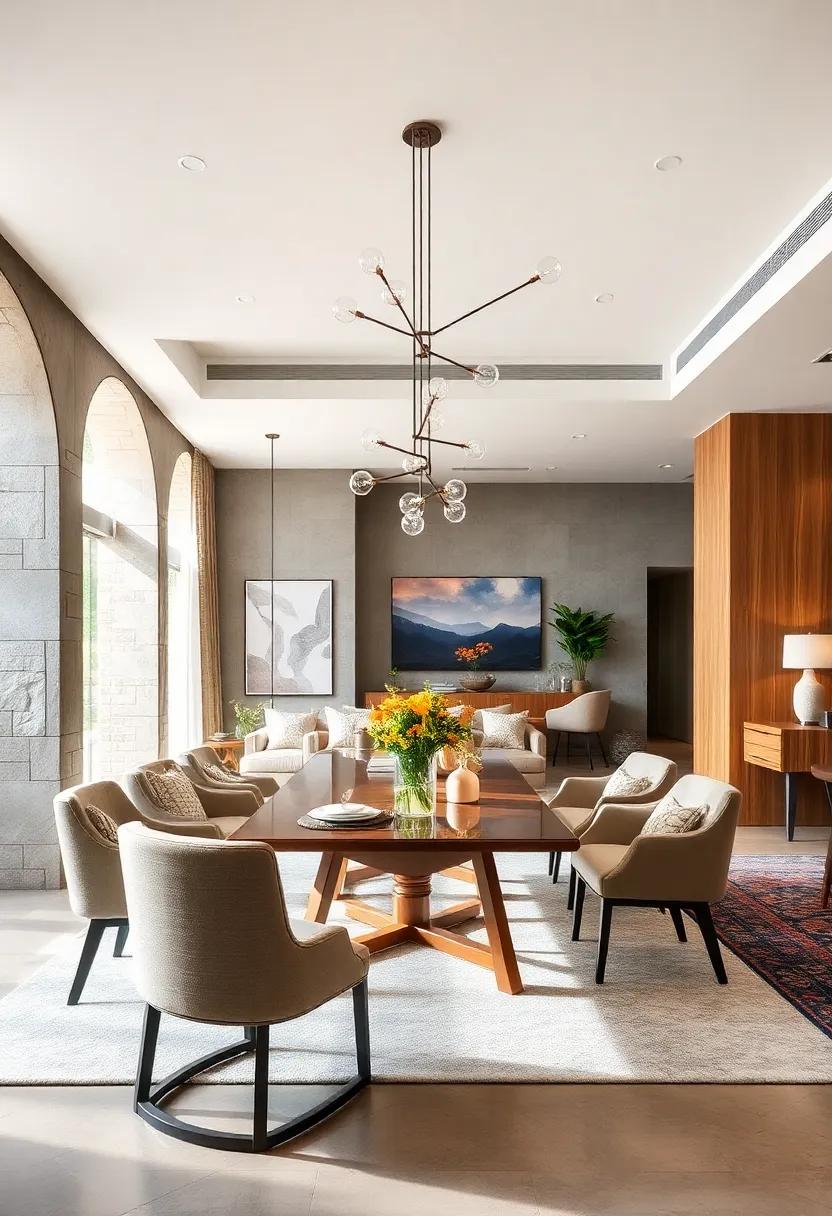
In a world where space is frequently enough at a premium, embracing furniture that serves multiple purposes can dramatically enhance your dining area. Choose tables that come with extensions, allowing you to effortlessly accommodate guests during gatherings without compromising your everyday aesthetics. Imagine a sleek, modern table that expands just when you need it, seamlessly blending into your decor when unextended. In addition,look for options that incorporate clever storage—think benches with hidden compartments or tables with built-in drawers. These pieces offer a dual function, keeping your dining area organized and clutter-free.
Here are some striking features to consider when selecting your multi-functional furniture:
- Expandability: look for tables that can grow with your needs, keeping size and style in mind.
- storage Solutions: Prioritize pieces that provide extra storage; such as, use a table with shelves underneath for easy accessibility to dining essentials.
- Flexible Seating: Consider storage ottomans or stools that can be tucked away when not in use,leaving your space open and inviting.
- Transformable designs: Seek out innovative designs that pivot or convert, such as a dining table that shifts into a coffee table.
Don’t Forget the Floor: A well-chosen rug can define the dining area, adding warmth and comfort while also anchoring the furniture
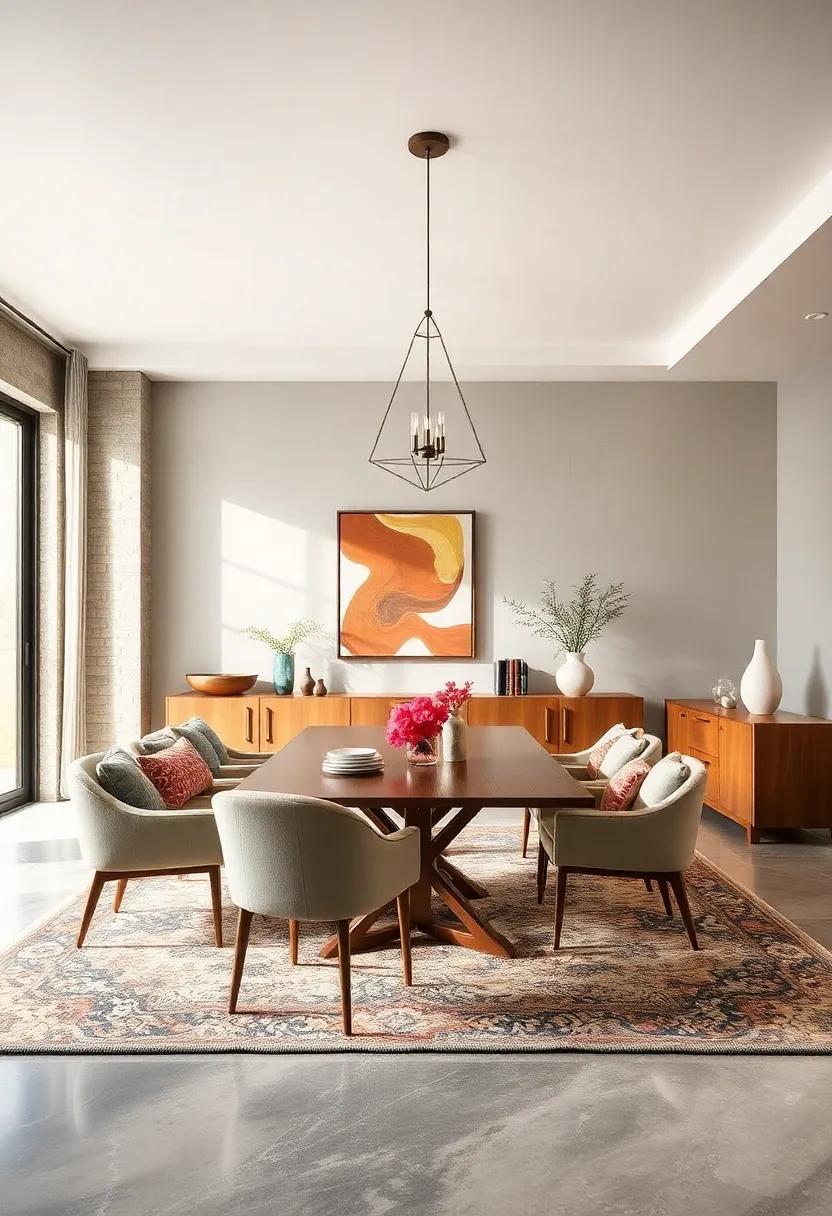
Choosing the right rug can transform your dining area into a cohesive and inviting space.A well-selected rug not only enhances the aesthetic appeal but also provides a comfort level that hard flooring can lack. When shopping for rugs,consider the following:
- Size Matters: Ensure the rug is large enough to accommodate all the dining chairs,even when they are pulled out.
- Material choice: Opt for durable, easy-to-clean materials like wool or synthetic fibers, especially in high-traffic areas.
- Style Harmony: Select a pattern and color that complements your dining furniture and overall decor style for a unified look.
A carefully placed rug can visually delineate the dining area, making it feel more intentional and inviting. Additionally, a rug can soften the sound in the space, creating a more pleasant dining experience. Here’s a simple table to illustrate ideal rug dimensions based on your table size:
| Table Size | Recommended Rug Size |
|---|---|
| 4-6 Person Table | 6’x9′ |
| 6-8 Person Table | 8’x10′ |
| 8+ Person Table | 9’x12′ |
Display Tableware Stylishly: Open shelving or glass-front cabinets can showcase beautiful dishware, making them a part of your decor
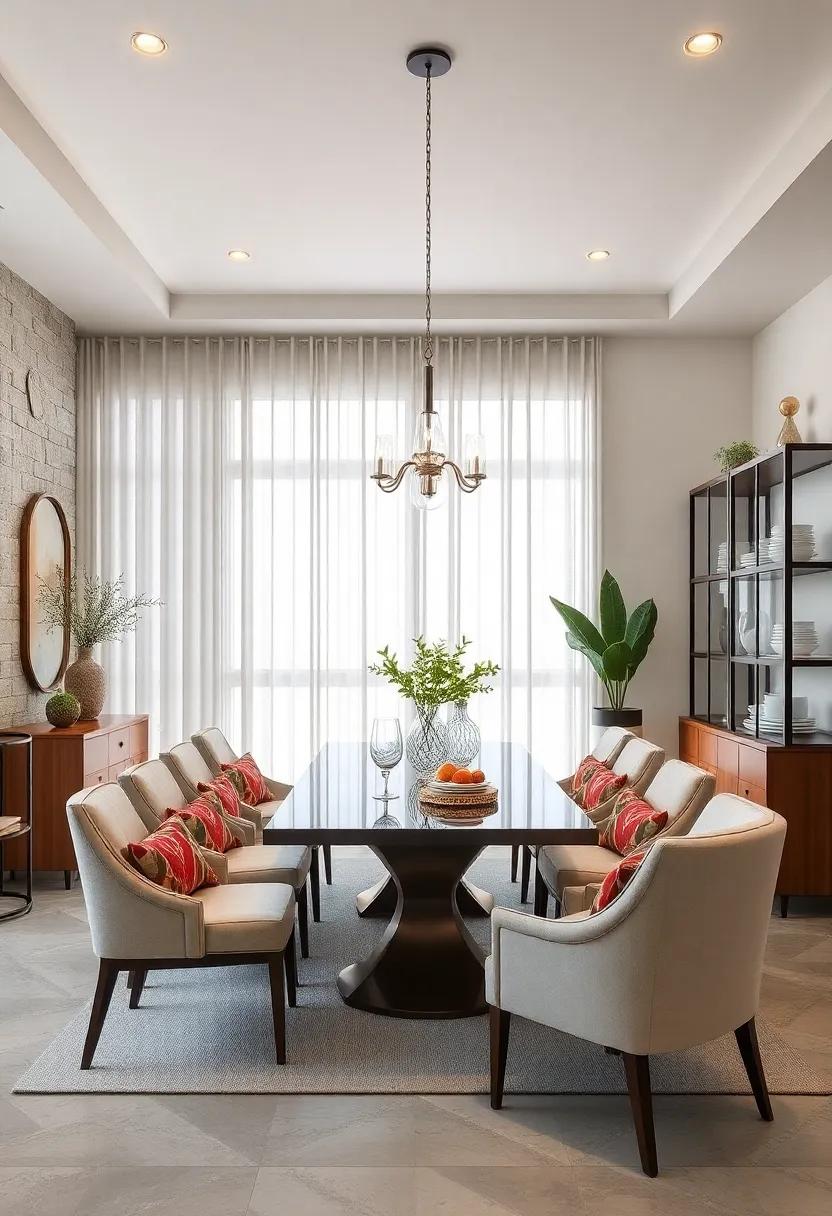
Transform your dining area into a stunning visual feast by opting for open shelving or glass-front cabinets to display your exquisite dishware. This approach not only frees up valuable cupboard space but also turns your beautiful plates, bowls, and glassware into works of art that enhance the overall aesthetic of the room. Consider utilizing decorative elements around your dishware to create a cohesive and inviting atmosphere. You can easily integrate:
- Colorful dishware: Choose pieces that add a pop of color to your shelves.
- Layering: Stack plates and bowls to create depth and intrigue.
- Personal touches: Incorporate family heirlooms or travel souvenirs alongside your dishware.
Not only does this style offer functionality, but it also provides an opportunity for creativity in your dining decor.to keep your display looking curated and intentional, adopt a rule of thirds when arranging your pieces. This method allows you to balance various shapes, sizes, and colors harmoniously, bringing out the beauty in every item showcased. You might also find it helpful to consider:
| Tip | Description |
|---|---|
| Group by Color | Arrange dishware in similar colors for a coordinated look. |
| Incorporate Lighting | add soft ambient lighting to accentuate your displays. |
| Vary Heights | Use risers or pedestals to create visual interest. |
Create a Cozy ambiance: Add elements like candles or dimmable lights to set a relaxed mood for intimate dinners
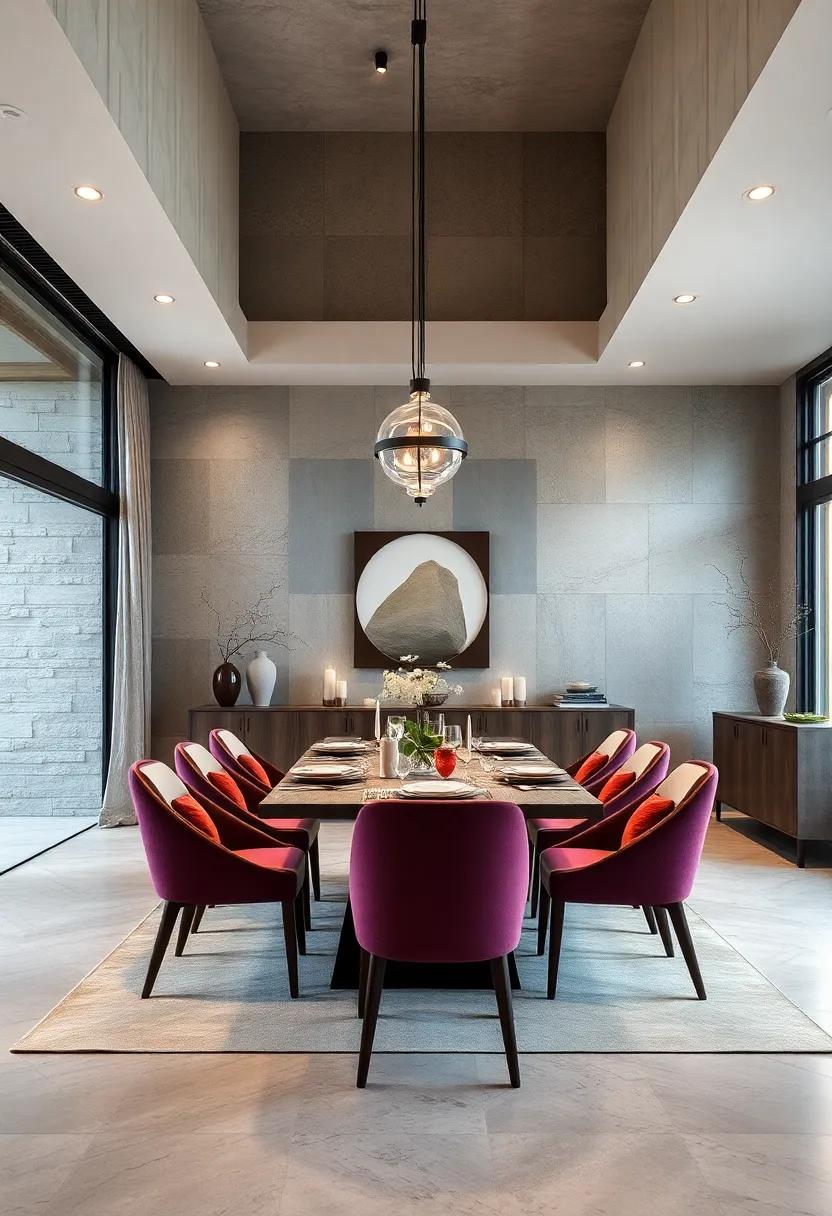
Creating an inviting and intimate atmosphere is essential for memorable dining experiences. Consider incorporating flickering candles on the table to bring warmth and character. They provide a soft glow that enhances conversation while eliminating harsh overhead lighting. Choose a mix of varying heights and styles to add visual interest, such as tapered candles in elegant holders or charming tea lights nestled in decorative lanterns. Additionally, using dimmable lights allows you to easily adjust the brightness to match your desired vibe, transforming your dining space from a casual gathering point to a romantic hideaway with just a flick of a switch.
To further enhance the mood, consider layering your lighting with some strategically placed string lights or fairy lights that can drape around the room or highlight architectural features. Incorporate soft textures such as tablecloths and napkins in soothing colors to complement the illuminated elements. If space allows, a cozy seating arrangement can be supplemented with throw pillows and blankets to encourage guests to linger a little longer, deepening connection over delicious food and good conversation. Don’t forget that the right ambiance can turn any meal into a cherished moment!
Incorporate Natural Elements: Bring the outdoors in with plants or flowers, which can enhance the air quality and add vibrant color
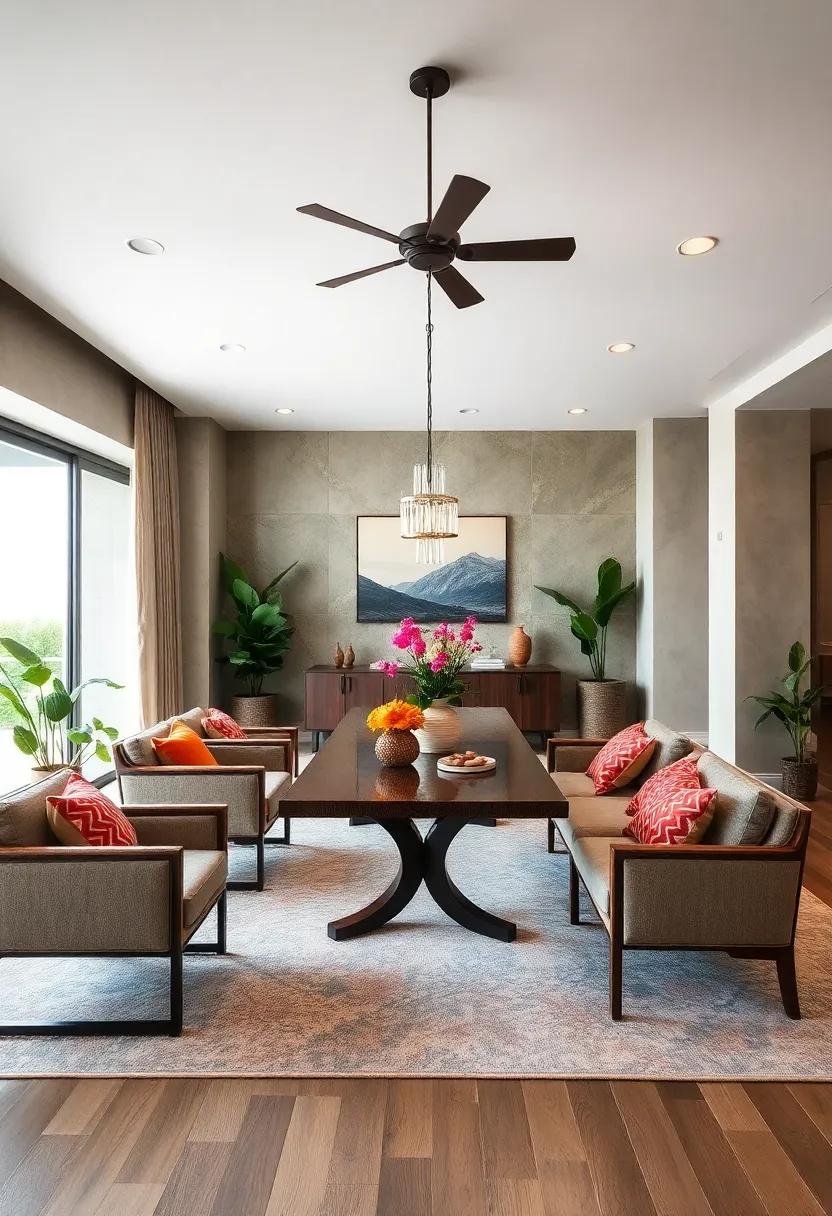
Transform your dining room into a tranquil oasis by incorporating a variety of plants and flowers. Not only do these natural elements serve as stunning decor, but they also work wonders for air quality, promoting a refreshing atmosphere. Consider adding:
- Indoor Plants: Opt for low-maintenance varieties like pothos, snake plants, or peace lilies that thrive in various lighting conditions.
- Seasonal Flowers: A simple vase of fresh seasonal blooms can evoke warmth and joy, creating an inviting centerpiece for your table.
- Herb Pots: Placing pots of fresh herbs like basil or rosemary on windowsills not only adds greenery but also infuses delightful aromas into your meals.
To achieve a harmonious balance between nature and your dining room’s aesthetic, think about incorporating these elements strategically. For instance, using a tall indoor tree in a corner can draw the eye upward, adding depth to the space, while smaller potted plants can create visual interest on the dining table. You might also consider a small flower arrangement on a side table. Below are some creative combinations and placements:
| Plant/Flower Type | Optimal Placement | Benefits |
|---|---|---|
| Peace Lily | Table centerpiece | Purifies air and adds softness |
| Pothos | Hanging planters | Space-saving and lush |
| Fresh Herbs | Kitchen windowsill | Direct access for cooking |
| Succulents | Small shelves or side tables | Low maintenance and stylish |
Select the Right Dining Chairs: Choose comfortable seating that complements the table and encourages long,enjoyable meals
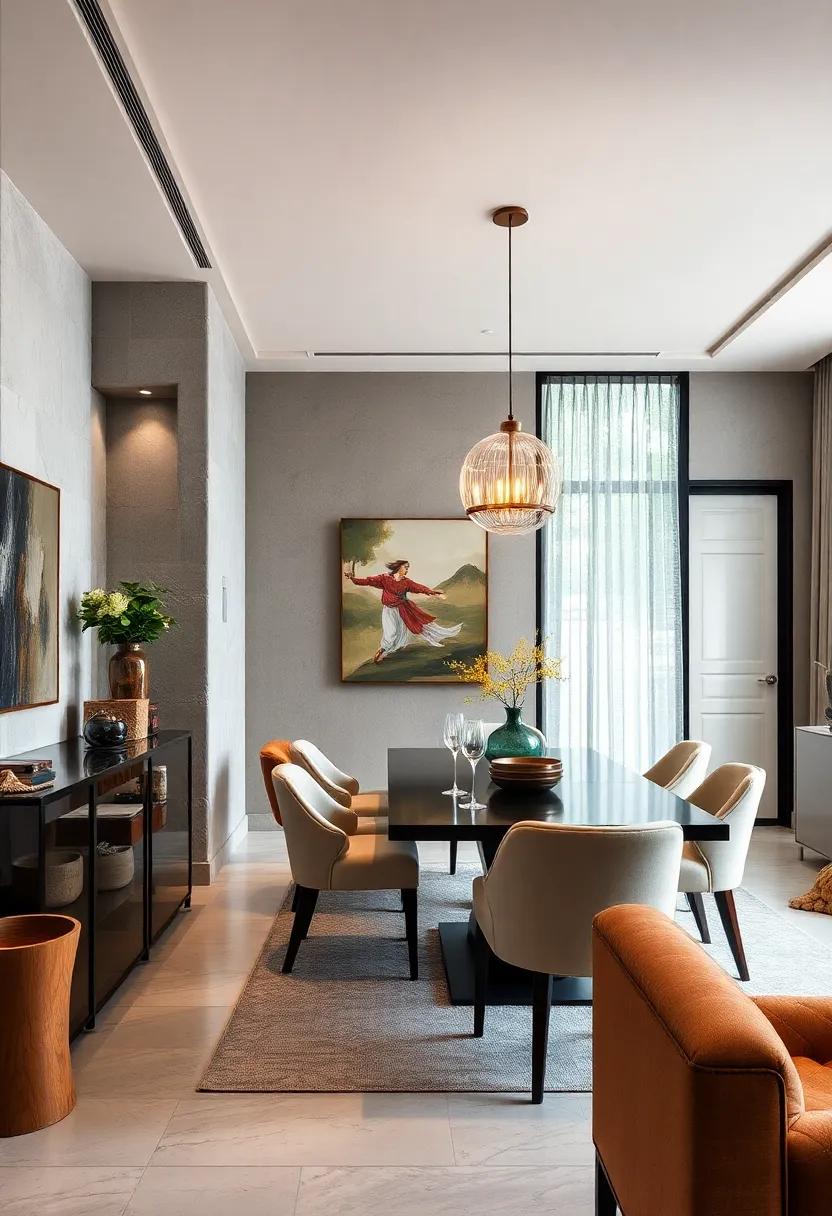
- Consider Height: Ensure that the height of the chairs meshes well with the dining table. A comfortable 10-12 inches between the seat and the tabletop promotes relaxed dining.
- Prioritize Comfort: Opt for chairs with cushioned seats and supportive backs, especially if your meals tend to last longer. Slipcovers can add both comfort and style, allowing for easy cleaning and a soft touch.
- Play with Style: Whether you prefer classic,modern,or eclectic,select chairs that reflect your dining room’s personality. Mixing and matching can create a unique allure, making your dining space feel inviting and warm.
- Material Matters: Consider both aesthetics and durability. wood and metal frames are sturdy,while upholstered chairs offer coziness. Ensure the materials are kid-friendly and easy to maintain, especially for frequent family meals.
| Style | Comfort Level | best Material |
|---|---|---|
| Classic | High | wood |
| Modern | Medium | Metal |
| Eclectic | Varies | Mixed Materials |
| Minimalist | Medium | Plastic or Wood |
Think about Acoustics: Soft furnishings, like curtains or upholstered chairs, can definitely help absorb sound, making conversations more pleasant
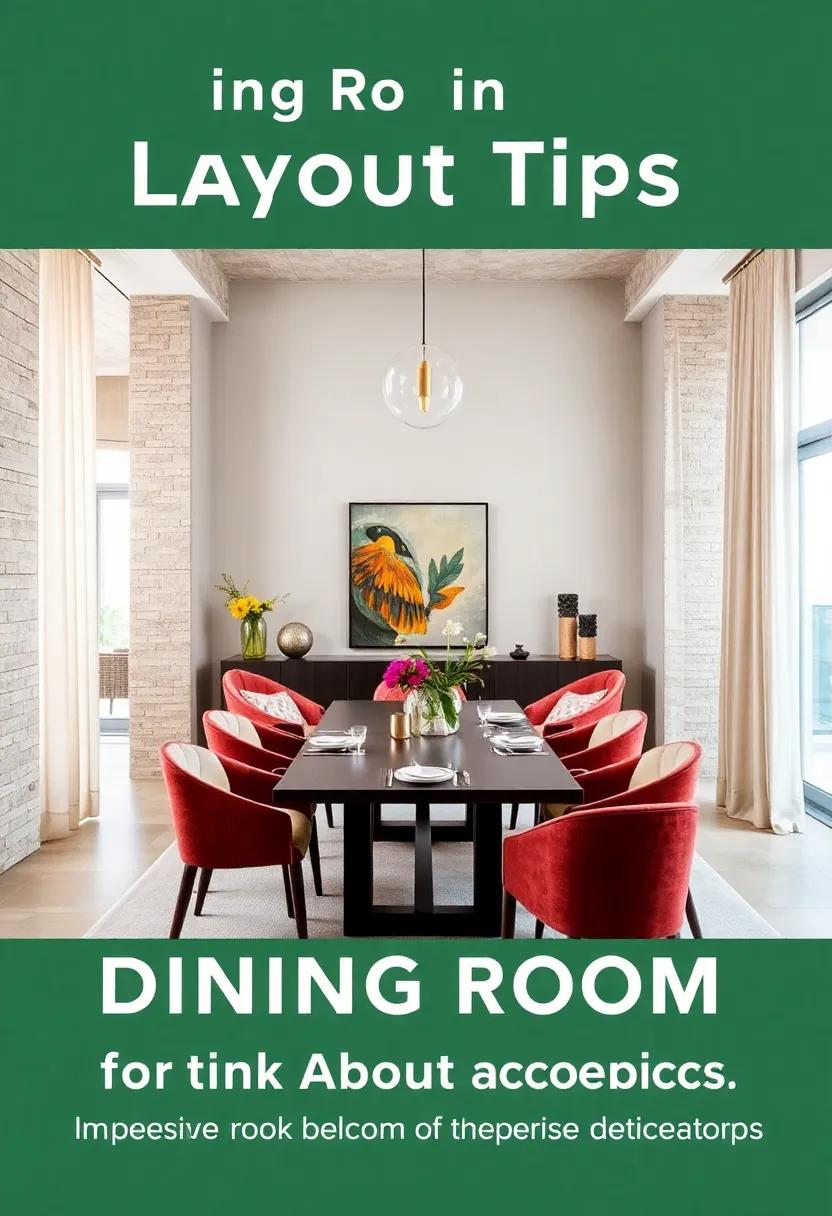
To create a dining experience that caters not only to the palate but also to the ears, consider the impact of sound on your conversations. Soft furnishings play a crucial role in enhancing acoustics within your dining space. By incorporating elements such as thick curtains, upholstered chairs, and plush table linens, you can significantly reduce ambient noise. These fabrics not only add texture to your décor but also help absorb sound, creating a more intimate and enjoyable atmosphere for your gatherings.
When selecting the right soft furnishings, keep in mind the color and style to ensure a cohesive look. Here are some ideas to consider:
- Layering textiles: Combine curtains with valances for a rich, sophisticated look that also dampens sound.
- Upholstery choices: Opt for chairs with dense, padded upholstery to provide comfort while minimizing noise levels.
- Table settings: Use thick tablecloths or runner fabrics that encourage a softer dining environment.
| Furnishing Type | Sound Absorption effectiveness |
|---|---|
| Thick Curtains | High |
| Upholstered Chairs | Medium |
| Plush Table Linens | Medium |
Incorporating these elements will not only enhance the visual appeal of your dining area but will also transform it into a serene space conducive to delightful dining experiences. Remember, it’s not just about what’s served on the table; the ambiance plays an equally essential role in making your meals memorable.
maintain Clear Sightlines: Arrange furniture to ensure that everyone at the table can see each other, encouraging lively interactions
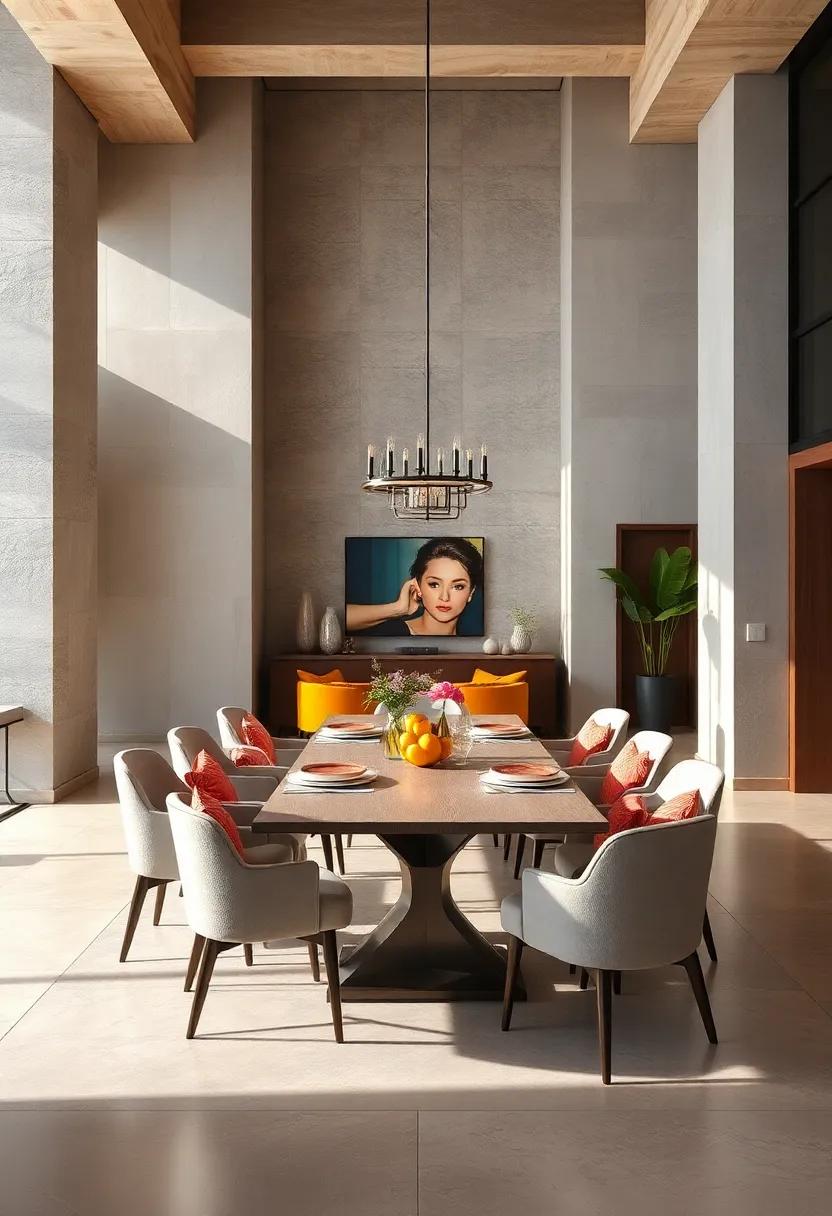
Creating an inviting atmosphere in your dining room is all about fostering connections and communication. A well-arranged furniture layout plays a pivotal role in this, as it allows every guest at the table to engage easily with one another. When planning your setting,consider the shape of the table and the surrounding seats. As a notable example, using a round or oval table can naturally facilitate conversation, as everyone is equidistant and views one another without obstruction. Ensure that chairs are not too close or too far; they should promote interaction while offering comfort.
Beyond the choice of table type,pay attention to the overall arrangement of furniture within the room. If there are any large cabinets or decorative pieces, position them thoughtfully to avoid blocking sightlines. Creating a circle or semi-circle arrangement around the table can invite diners to lean in and partake in the conversation. Additionally, consider these elements:
- Lighting: Ensure the table is well-lit while avoiding shadows that can create barriers.
- Flooring: Use rugs to visually delineate the dining area, encouraging focus and connection.
- Minimal Clutter: Keep the decor simple and unobtrusive, allowing a clear view of one another.
Choose an Interesting Tablecloth: A unique table covering can instantly elevate the dining experience and set the tone for the meal
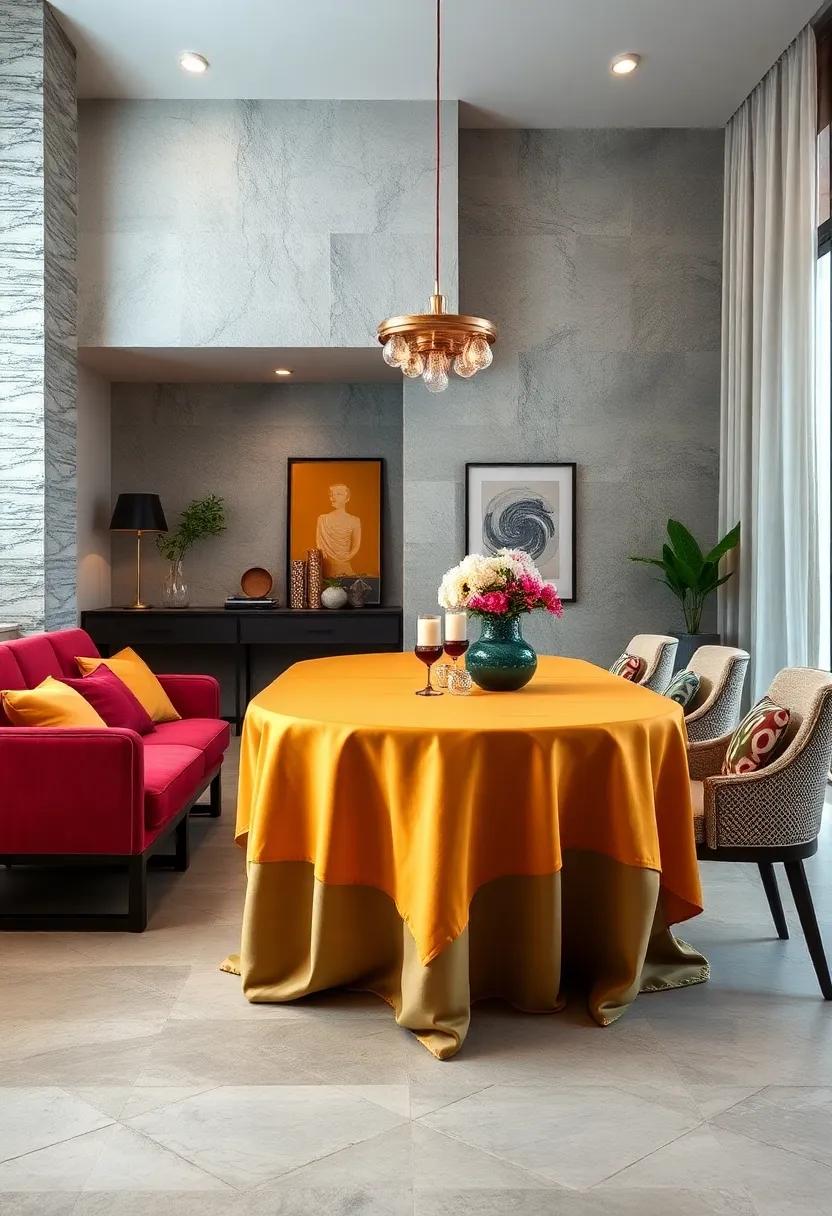
Choosing the right tablecloth can transform your dining setting from ordinary to unusual. An intriguing design can serve not only as a protective layer for your table but also as a conversation starter. Consider fabrics that offer a unique texture or pattern, such as:
- Linen: Known for its luxurious feel and natural drape, perfect for formal dinners.
- Bohemian prints: Bold designs that add a touch of artistic flair and warmth.
- Seasonal Themes: Seasonal motifs such as floral patterns for spring or festive designs for the holidays.
- Neutral Tones: Elegant beige, gray, or white can create a serene backdrop for vibrant centerpieces.
Additionally, experiment with layering tablecloths to create a dynamic and visually appealing tableau. As an example, a patterned cloth paired with a simpler overlay can definitely help to highlight your unique dishes. Don’t overlook the importance of accessories, too—complement your tablecloth with matching or contrasting napkins and table runners. Here’s a quick guide to picking the right style:
| Style | Best For |
|---|---|
| Rustic | Casual gatherings or outdoor meals |
| Elegant Satin | Formal events and celebrations |
| Playful prints | Family dinners and children’s parties |
| Classic Checks | Traditional settings and cozy atmospheres |
Consider Seasonal Decor: Rotate decorations based on seasons or holidays to keep the dining room fresh and engaging all year round
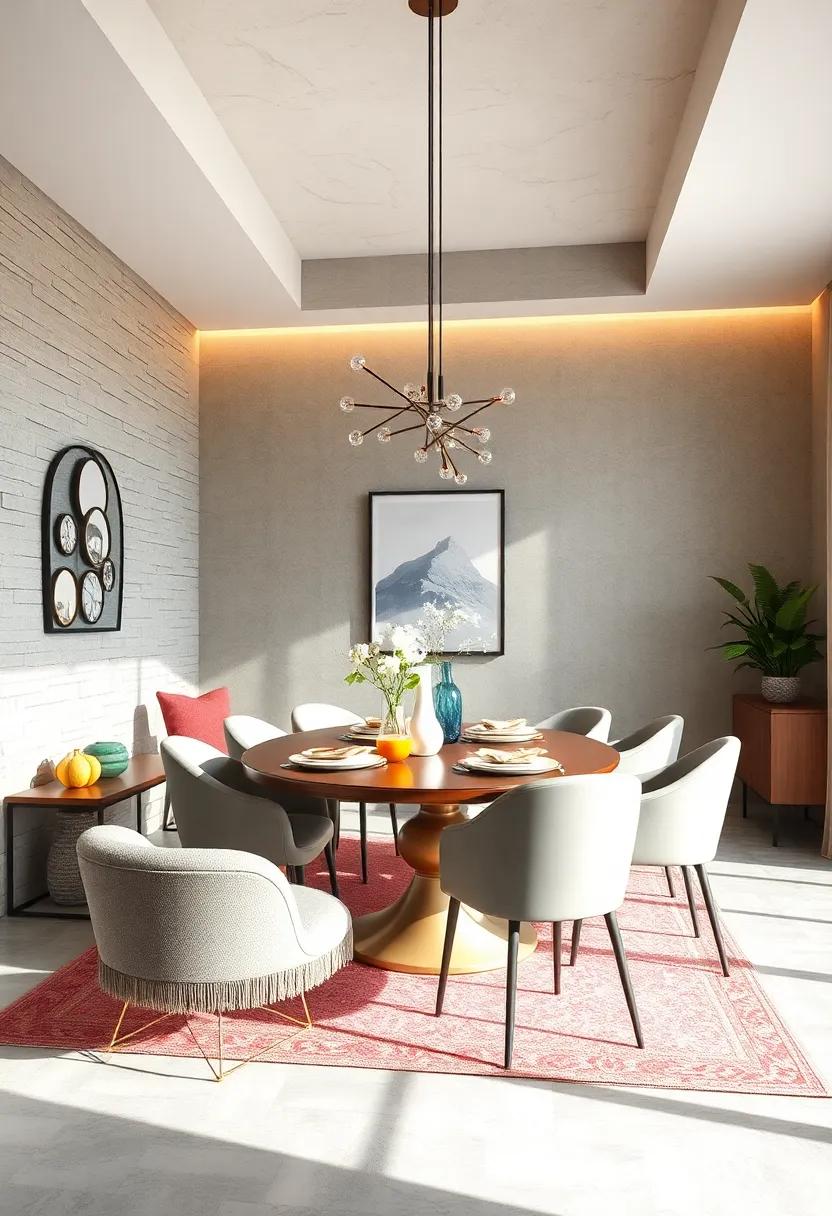
One of the most delightful ways to refresh your dining room is by updating your decorations to reflect the changing seasons and various holidays. This not only keeps the atmosphere lively but also creates a space that resonates with the unique spirit of each time of year. As an example, as autumn approaches, consider incorporating rich hues of orange and burgundy through table runners, candles, and themed centerpieces. During spring, switch to pastel colors and floral arrangements that evoke a sense of renewal and joy, making every meal a cheerful affair.
to help you seamlessly rotate your decorations, consider creating a seasonal checklist that includes items like tableware, centerpieces, and wall art. here’s a simple guide to help you get started:
| Season/Holiday | Decoration Ideas |
|---|---|
| Winter | cozy tablecloths, candle lanterns, and evergreen garlands |
| Spring | Pastel table settings, fresh flowers, and bunny figurines |
| Summer | luminous, bold colors, outdoor themes, and sunflowers |
| fall | Pumpkin centerpieces, earthy tones, and cornucopias |
By embracing a rotating decor strategy, every gathering becomes an opportunity for guests to experience something new and exciting. Whether it’s a festive Christmas dinner or a casual summer barbecue, the seasonal transition of your dining room décor can generate a welcoming and engaging atmosphere for shared meals, fostering connections and celebrations all year long.
Design with Accessibility in Mind: make sure that all guests can comfortably reach the table and that there are no obstacles in their way
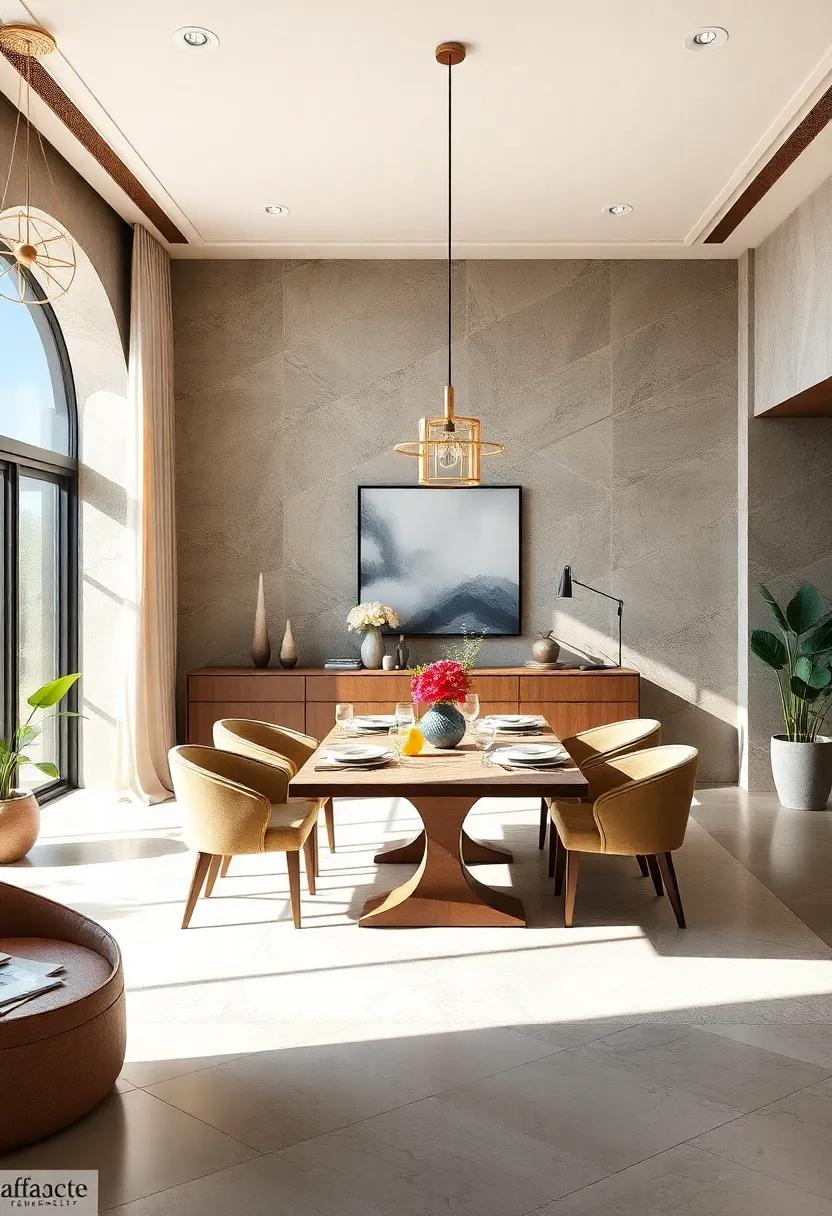
Creating a dining room that is accessible to everyone is essential for inclusive gatherings. Consider the layout of furniture and ensure that pathways are wide enough for all guests. A minimum of 36 inches between the table and walls or other furniture is recommended to allow easy movement, especially for those using mobility aids. Additionally, maintaining a clear floor space free of clutter is crucial; this can be achieved by placing furniture thoughtfully and using an area rug to define zones without obstructing pathways.
Seating arrangements play a vital role in accessibility as well. Choose lightweight chairs that are easy to move, enabling guests to adjust their seating as needed. When planning your table setup, think about accommodating different heights; a mixture of chairs can provide comfort for everyone. consider the placement of decorations and table settings—position items so that they do not block sightlines or create barriers.Aim for a cohesive aesthetic that balances both form and function to make every dining experience delightful.
Layer Your Dining Experience: Use chargers, placemats, and cloth napkins to create an elegant table setting that enhances the overall dining experience
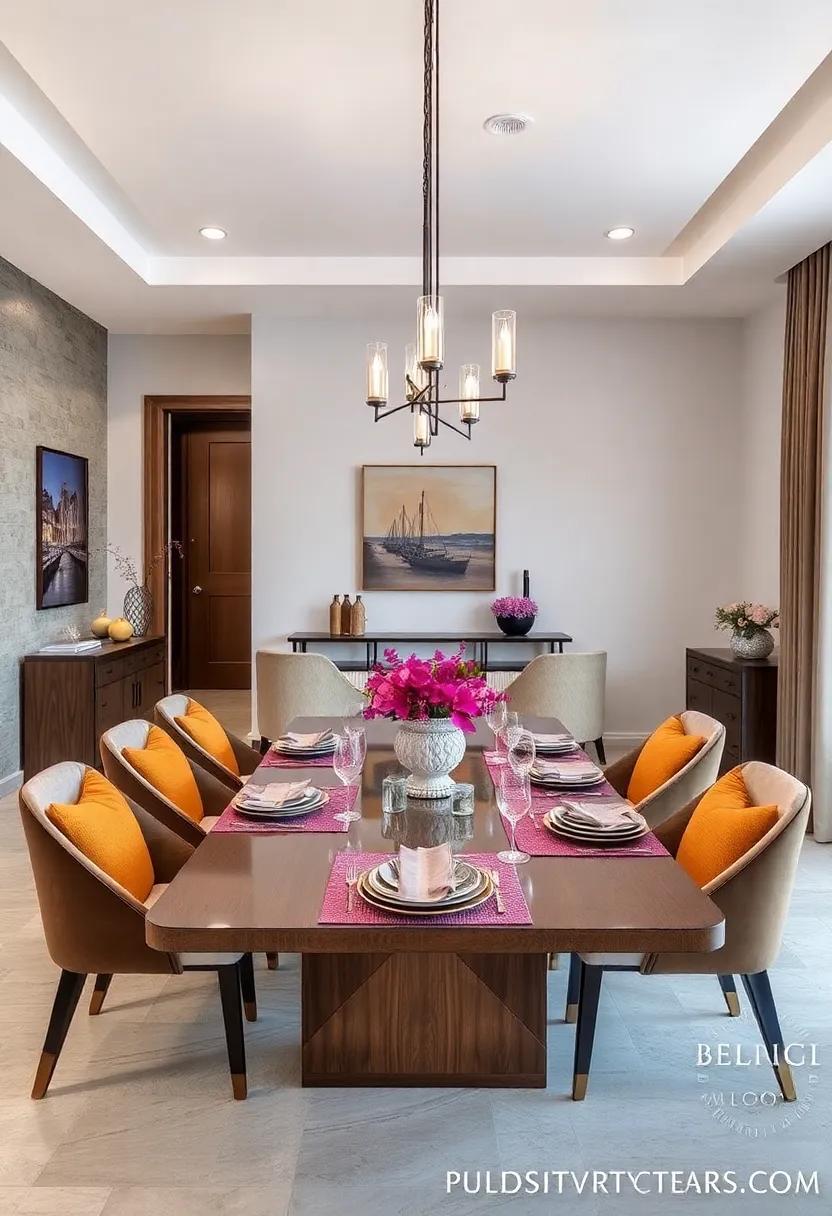
Transform your dining table into a masterpiece with the thoughtful incorporation of chargers, placemats, and cloth napkins. Chargers serve as the foundation for your plates, adding depth and texture to each setting while protecting your table from heat and spills. Opt for metallic or textured chargers for a dash of elegance, or choose vibrant colors to make a statement. Pair them with placemats that echo your décor style—consider natural fibers for a rustic ambiance or sleek, modern designs for a contemporary feel. The right placemat not only accentuates the charger but also grounds the entire setting, creating a harmonious balance.
No dining setting is complete without the finishing touch of cloth napkins.Drape them gracefully on plates or fold them into charming shapes to captivate your guests. The fabric choice is crucial—luxurious linens or cotton blends elevate the dining experience while also being eco-friendly. Consider mixing and matching colors and patterns for a playful effect, or stick with a monochromatic palette for a sophisticated look. A well-layered dining table not only enhances aesthetics but also invites conversation, making every meal an occasion to remember.
Think Vertical: Utilize wall space for shelving or decoration to draw the eye upward,making the room feel larger and more airy
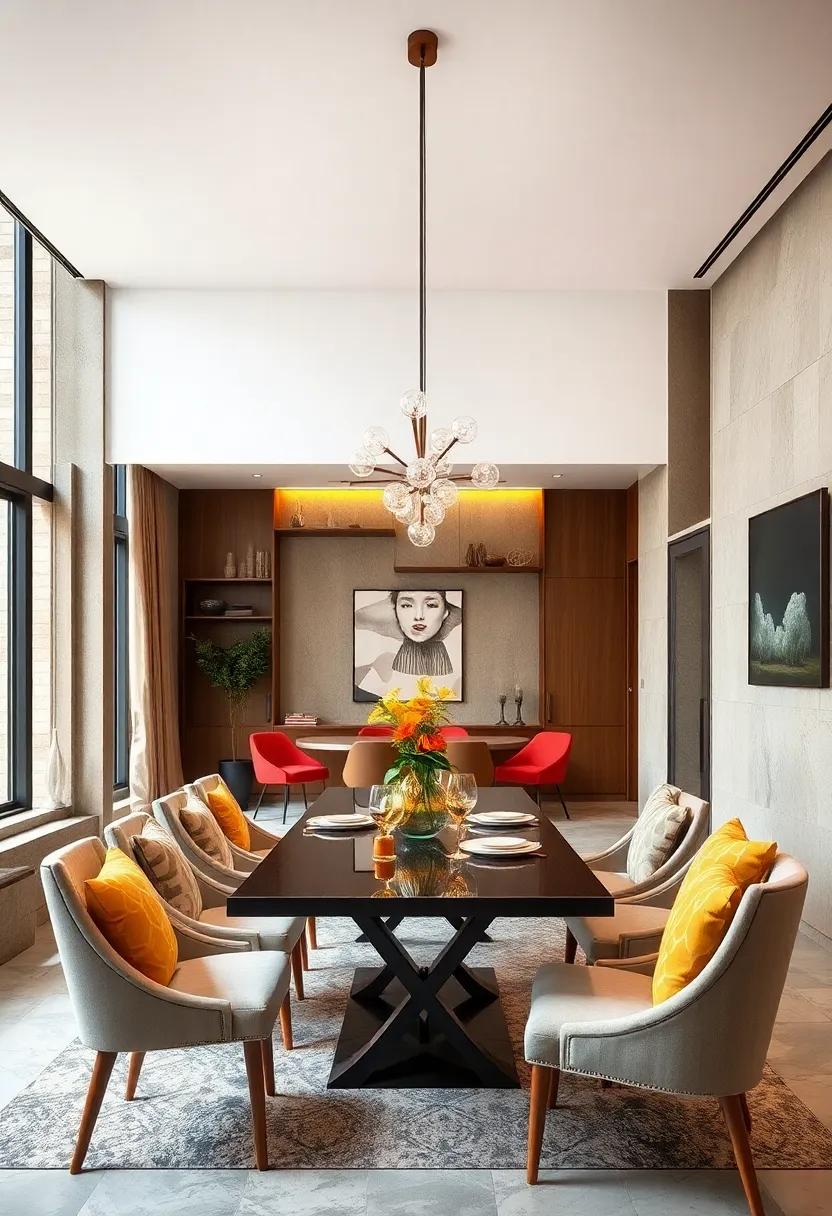
Maximizing the verticality of your dining room not only amplifies its aesthetic appeal but also enhances the overall spatial perception. Consider installing floating shelves that double as display areas for your favorite decorative pieces or plants. These shelves can create engaging visual layers, drawing the eye upward. Additionally, tall cabinets or bookcases can store dining essentials while introducing a grand element to the decor. To further elevate the space, think about adding wall-mounted lighting fixtures that emphasize height and provide an inviting glow during dining experiences.
For a more personal touch, curate a gallery wall featuring framed art prints or photographs that resonate with your style. A mix of sizes and frames can create an eclectic but cohesive look that invites guests to examine the artwork closely. Integrating vertical planters or hanging terrariums can also soften the ambiance and add freshness to your dining area, making it feel vibrant yet spacious. To keep a clean look, consider using invisible brackets for shelves, allowing the decorative elements to appear as if they’re floating, further enhancing the airy atmosphere of the room.
Incorporate Technology Smartly: Use tech like smart lighting or speakers to enhance meals, but ensure that it fits seamlessly with the overall aesthetic
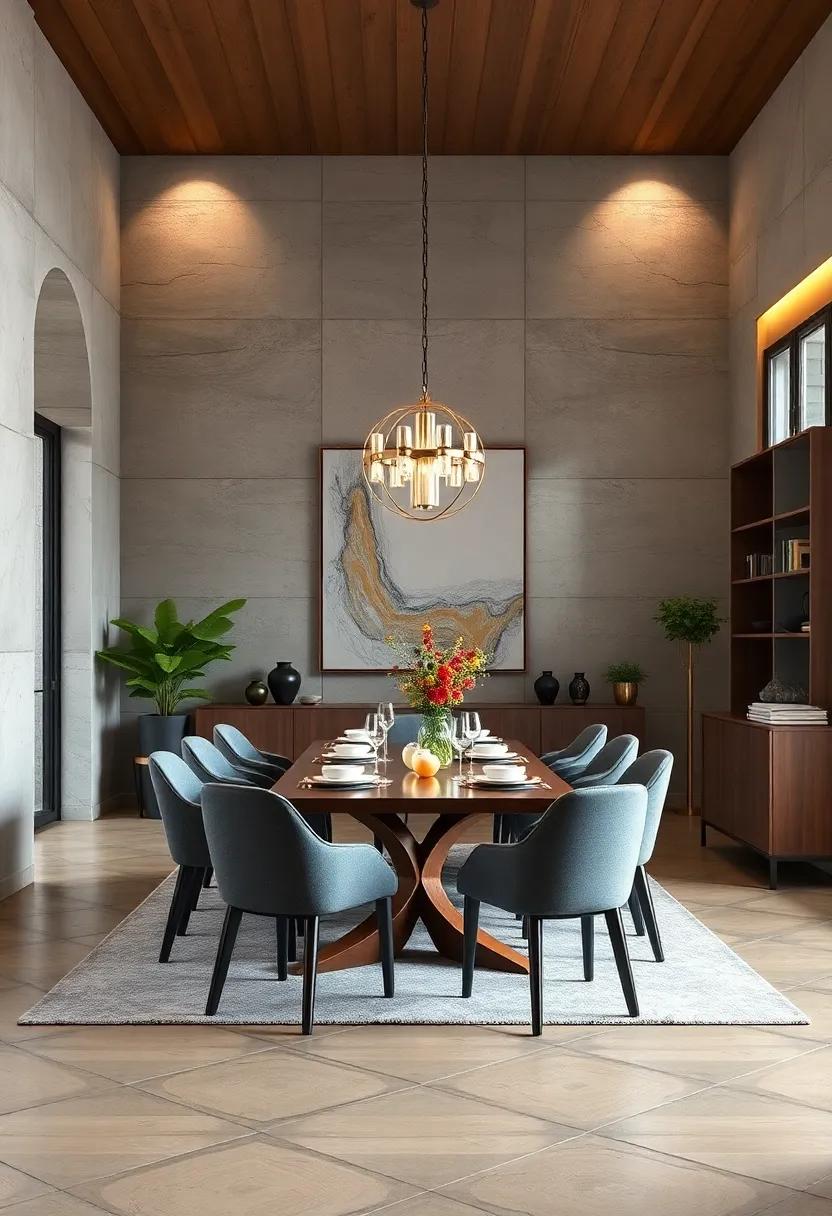
Embracing modern technology in your dining room can enhance both ambiance and functionality, but it’s essential to ensure that these tech elements blend beautifully with your overall decor. Consider integrating smart lighting systems that allow you to adjust brightness and color temperature according to the mood or time of day.For a cozy dinner, dim the lights to create an intimate atmosphere, while brightening them for festive gatherings. Choose fixtures that mirror your design aesthetic and utilize smart bulbs that can change color, enhancing the dining experience further.
Along with smart lighting, incorporating smart speakers can enrich your meals with curated playlists or even serve as a virtual assistant to guide you through recipes while cooking. However, hidden speakers or models that fit your design—such as stylish soundbars or even decorative portable speakers—can maintain the visual harmony of the room. Remember to prioritize a seamless aesthetic; tech should not overwhelm the charm of your dining area but rather complement it. Here’s a quick overview of how to incorporate these technologies:
| Technology | Benefits | Design Integration |
|---|---|---|
| Smart Lighting | Adjustable ambiance and mood lighting | Choose fixtures that align with your décor style |
| Smart Speakers | Background music and cooking assistance | Hidden or stylish designs that complement décor |
Choose a Large enough Table: Make sure that the table size accommodates both everyday meals and gatherings, without being overly crowded
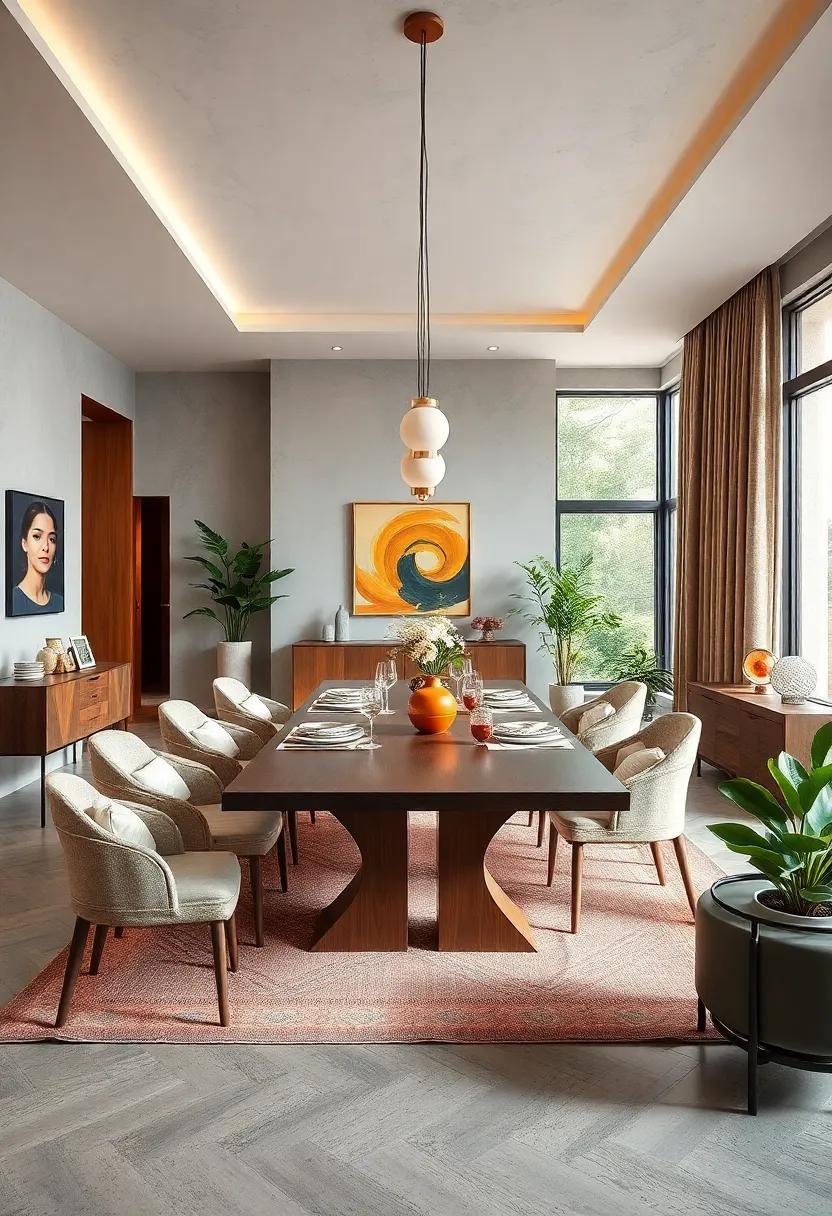
When selecting a dining table, consider its versatility and size carefully. A table that is too small will make even intimate dinners feel cramped, while one that is excessively large can dominate the room and create an atmosphere of disconnection. Strive for a balance that allows for comfortable seating for everyday meals while also accommodating extra guests during special occasions. Aim for a table size that offers at least 24 inches of space per diner to create an inviting setting.
Additionally, think about the layout of your dining area. A rectangular table can work wonderfully in elongated spaces, providing ample room for multiple guests on each side. Conversely, a round table can enhance intimacy, perfect for smaller groups.When planning your seating arrangement, keep these points in mind:
- Expandable options: Consider tables with leaves or extensions for versatility.
- Seating configuration: Ensure there are enough chairs to comfortably fit around the table without crowding.
- Space for movement: Leave enough room around the table for easy access and flow during gatherings.
Highlight Architectural Features: If your dining room has unique features like crown molding or bay windows, make them a key part of the decor
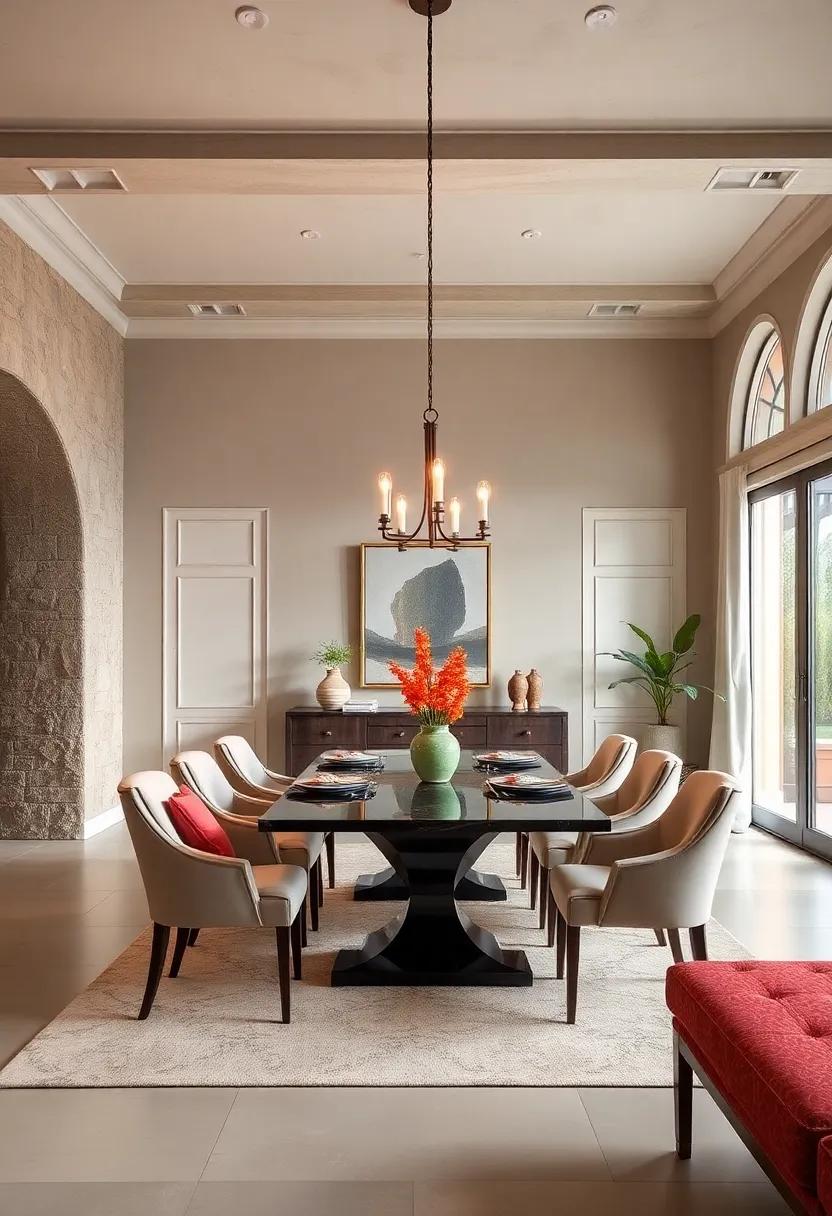
Embrace the charm of your dining room’s architectural features by incorporating them into your decor. For instance, if you have crown molding, consider enhancing its elegance with a subtle paint shade that complements the room’s color palette. Utilize it as a canvas to highlight bold colors or patterns on your dining chairs or artwork that sit above it. This creates a harmonious visual connection that draws the eye upward, accentuating the height and sophistication of the space.
Similarly, bay windows can serve as a stunning focal point for your dining room. Frame the windows with sheer drapes that let in natural light while adding texture to the area. Enhance the built-in seating with plush cushions and throws, transforming it into a cozy nook for enjoying your meals or chatting over coffee. Additionally, adding a small window seat table or decor items like plants can bring life to this feature, making it not only a beautiful aspect of the room but also a functional space for gathering.
Plan for Seasonal Flexibility: Choose adaptable furniture that allows you to reconfigure the space for different occasions, from formal dinners to casual brunches
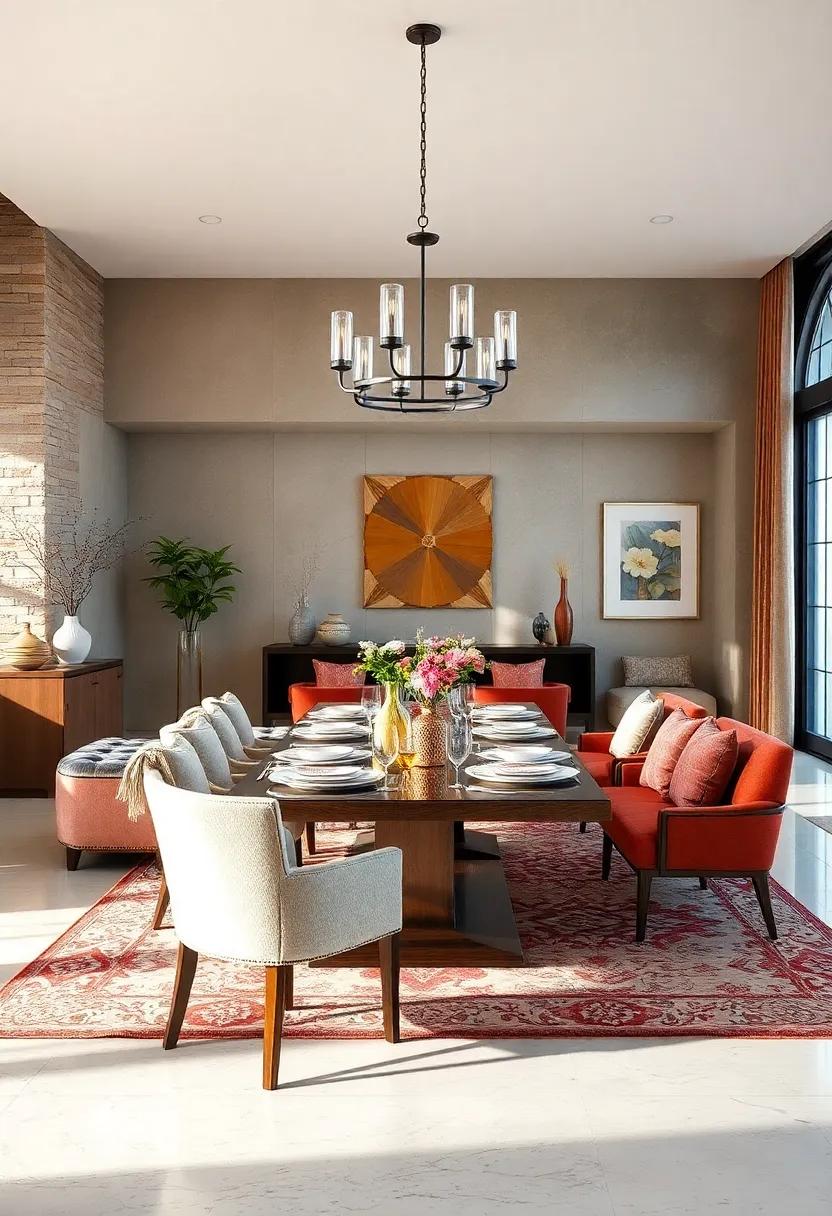
Creating a dining room that can easily shift from a formal gathering to a casual get-together is all about choosing the right pieces. Adaptable furniture is key in achieving this kind of versatility. Look for items such as extendable dining tables that can gracefully expand to accommodate extra guests. Chairs with a stylish yet lightweight design can also enhance flexibility; they can be easily moved around to create additional seating or tucked away when not in use. Nested tables or ottomans can complement your setup, providing extra surfaces during festivities without overcrowding your space on quieter days.
To further enhance the adaptability of your dining area, consider incorporating multifunctional pieces. A buffet or sideboard can serve as a storage solution for tableware while doubling as a serving station during larger meals. Another clever choice is a bar cart, which not only adds flair but can also be wheeled in or out based on your entertaining needs. If you choose items with a cohesive design,you can easily mix and match them to suit various occasions,ensuring that your dining room remains both aesthetically pleasing and functionally sound. Here’s a quick overview of adaptable furniture options:
| Furniture Type | Functionality |
|---|---|
| Extendable Dining Table | Adjustable size for different gatherings |
| Lightweight Chairs | Easily reconfigurable seating |
| Nesting Tables | Extra surfaces without clutter |
| Buffet/Sideboard | Storage and serving space |
| Bar Cart | Portable for drinks or snacks |
Add a Mirrored Element: A mirror can reflect light, making the room feel larger and more inviting while adding a touch of elegance
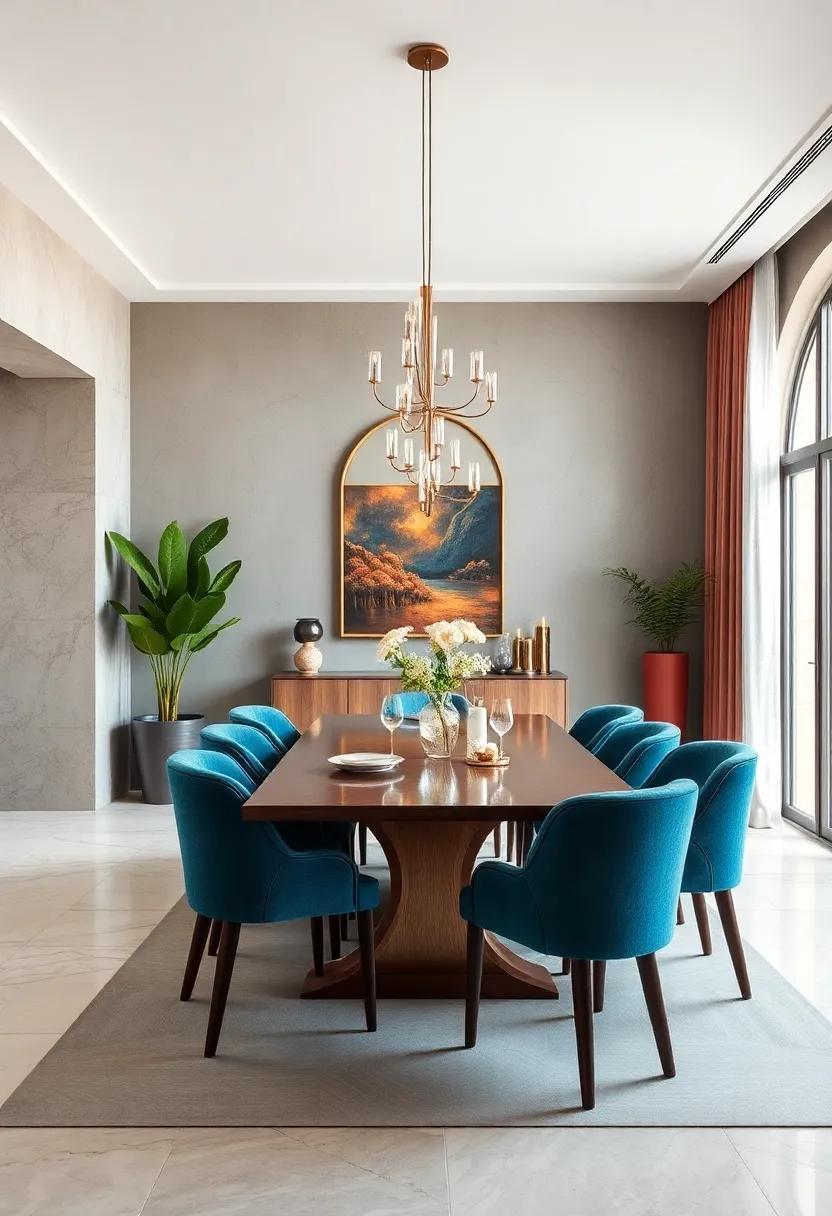
Incorporating a reflective surface into your dining room can dramatically enhance its ambiance. A well-placed mirror not only brightens the space by bouncing natural light around,but it also creates the illusion of depth,making even smaller rooms feel more expansive. When selecting a mirror, consider the style and frame to ensure it complements your existing decor. A few popular options include:
- Framed Mirrors: Choose ornate or minimalist frames that match your dining table or chairs.
- Accent Mirrors: Use unique shapes or artistically designed mirrors to serve as focal points.
- floor Mirrors: Leaning mirrors against a wall can add sophistication and elegance.
Positioning is key when it comes to maximizing the impact of a mirror. ideally, you want it to reflect something beautiful—like a vibrant centerpiece or an artwork—so it draws the eye and contributes to a harmonious aesthetic. Along with the visual benefits, mirrors can also enhance conversations by creating a sense of openness, allowing everyone at the table to feel connected. Consider adding mirrored elements in the following ways:
| Type of Mirror | Placement Tips |
|---|---|
| Wall-mounted | Above a sideboard or buffet for a classic look. |
| Clustered Mirrors | Group several small mirrors together for a gallery effect. |
| Tabletop Mirror | Use a small decorative mirror as a centerpiece for added depth. |
Regularly Assess Your Layout: Revisit your dining room layout periodically to ensure it remains functional and aligns with your evolving style and needs
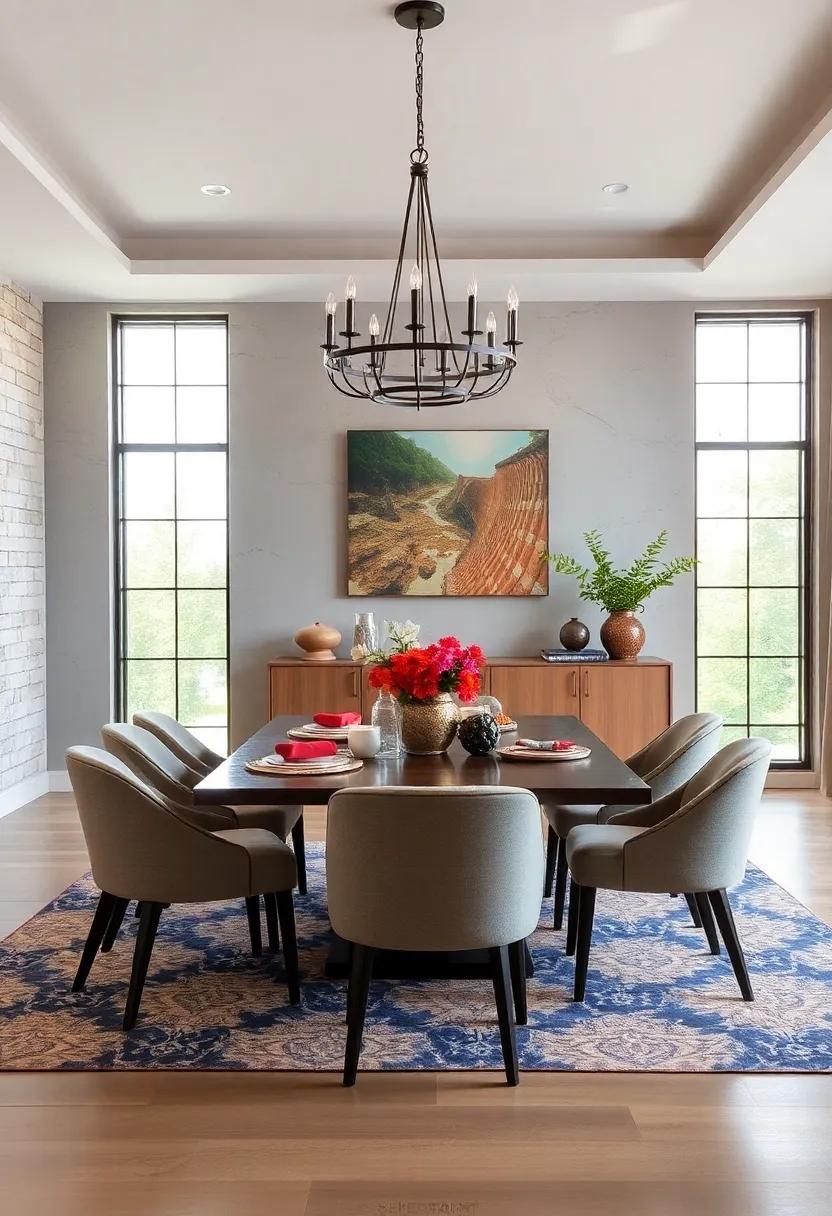
Every few months, take a moment to critically assess your dining room layout. Over time, your needs and preferences will shift, perhaps due to a change in family dynamics, entertaining habits, or even seasonal decor trends. Consider these factors when evaluating your space:
- Functionality: Is there enough room for movement? Can guests easily navigate around the table during gatherings?
- Style Evolution: Does the current arrangement complement your evolving aesthetic? Are there new elements you want to incorporate?
- Seating Comfort: are your dining chairs still enjoyable to sit in for longer meals? do you need to add or remove seating options?
To aid in your assessment,create a simple table to keep track of any needed changes:
| Aspect | Current Situation | Suggested Changes |
|---|---|---|
| Space | Cramped pathways | Reposition side chairs to maximize flow |
| Seating | Limited for guests | Add an extendable table |
| Ambiance | Overly formal | Introduce casual decor elements |
Implementing these assessments not only enhances the functionality of your dining room but also renews its visual appeal,allowing you to enjoy meals with a fresh outlook. Keep this process engaging by inviting family or friends to share their thoughts, turning it into a collaborative effort to create a space that feels increasingly welcoming and enjoyable.
Concluding Remarks
As we conclude our journey through the 29 essential dining room layout tips, remember that the heart of the home deserves thoughtful design and practical enhancements. Each tip serves as a building block, empowering you to create a space that not only elevates your dining experience but also reflects your unique style and personality. Whether you’re hosting an intimate family dinner or a lively soirée with friends, the thoughtful arrangement of your dining room can set the stage for memorable moments.
As you embark on this design adventure, keep in mind that comfort, functionality, and aesthetics can harmoniously coexist. Be willing to experiment and adapt these ideas to fit your specific needs and tastes.The most important ingredient in any dining room is the sense of joy and connection it fosters among those gathered around the table.Now that you’re equipped with these essential tips, it’s time to roll up your sleeves and transform your dining space into a sanctuary for both everyday meals and special gatherings. Happy decorating, and may your dining adventures be as delightful as the meals shared within your new and improved space!