 efistu.com Home Decor
Transitional Living Rooms: Bridging Classic Elegance and Modern Flair
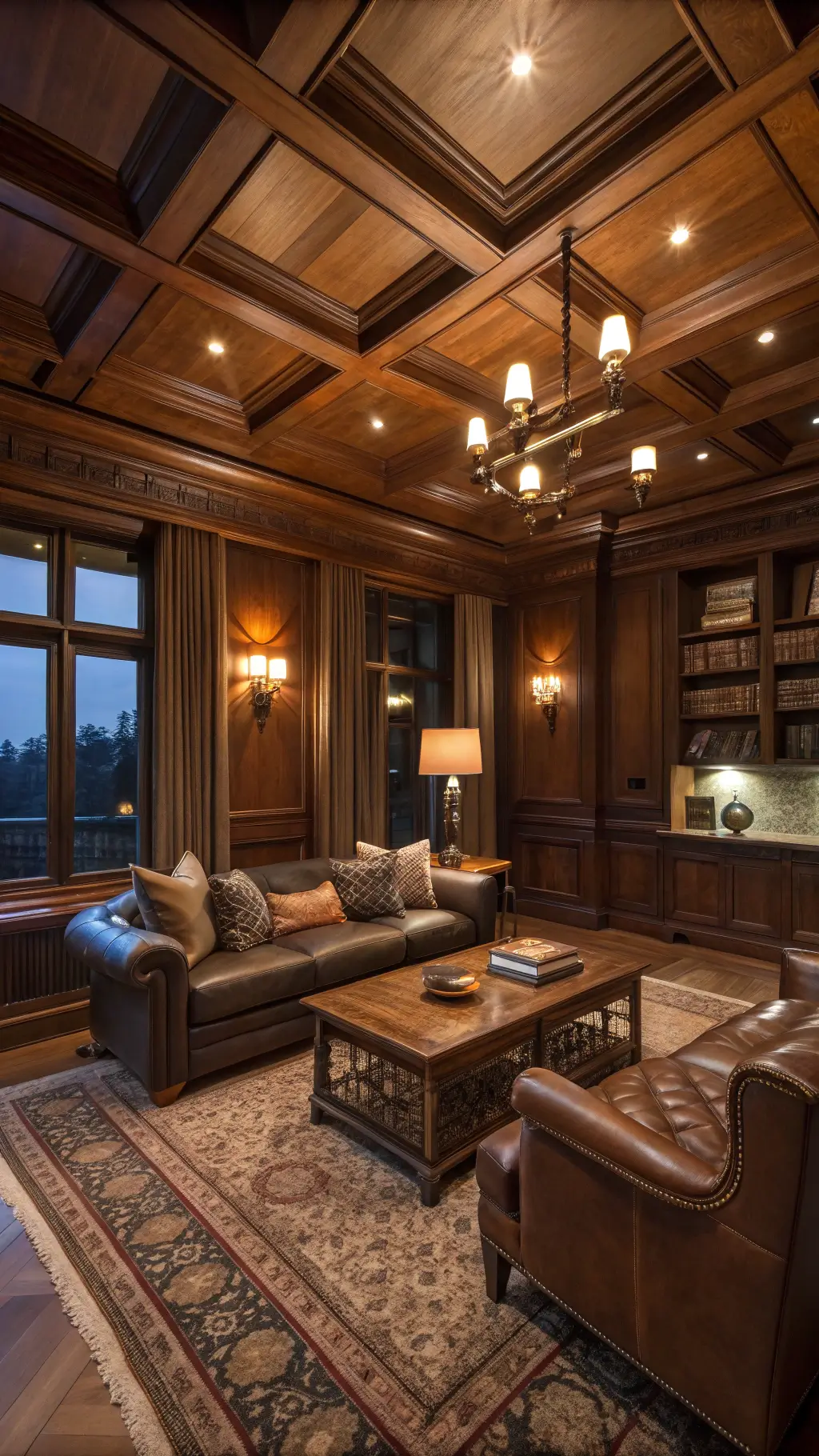
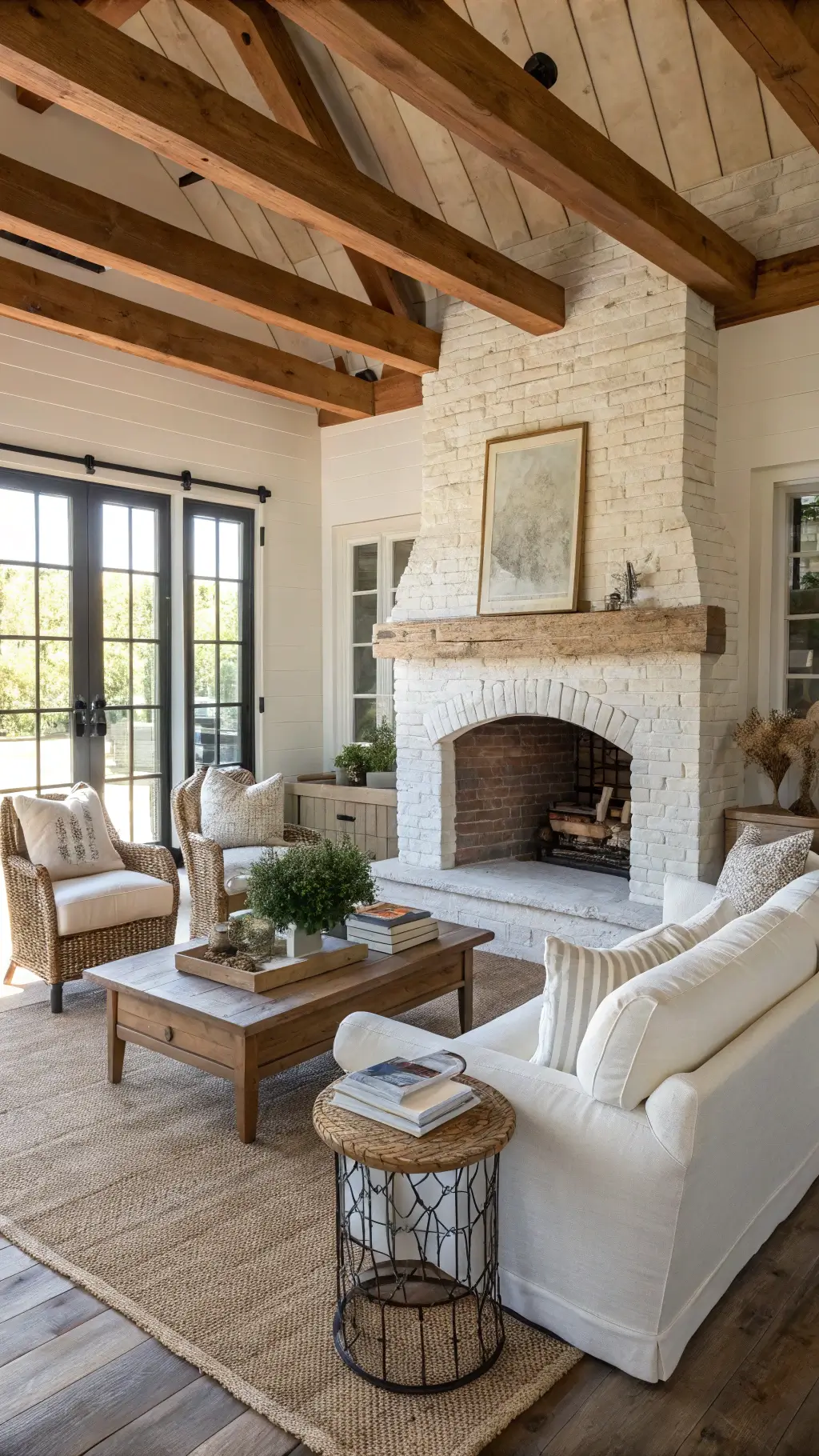
Welcome, design aficionados! Today, we explore the captivating realm of transitional living rooms, where timeless traditional elements harmonize effortlessly with sleek contemporary touches to create inviting, adaptable spaces.
What Defines Transitional Design?
Transitional design is more than a fleeting style—it’s a sophisticated fusion that balances the warmth of classic decor with the clean lines of modern aesthetics. This approach:
- Integrates vintage charm with current trends
- Crafts spaces that remain stylish across decades
- Allows for personalized touches without overwhelming the room
- Adapts well to diverse architectural styles, from colonial to modern lofts

Choosing the Ideal Color Scheme: Embrace Neutrals for Lasting Appeal
Rather than opting for loud or trendy hues, transitional design thrives on a subtle, neutral color foundation that exudes understated elegance.
- Base shades: Crisp whites, warm beiges, taupe, and gentle grays
- Accent tones: Soft earth-inspired colors like muted terracotta or sage
- Highlight colors: Delicate blues and calming greens to add freshness
- Guiding principle: Maintain a refined, muted palette for a cohesive look
Furniture Fundamentals: Balancing Form and Comfort
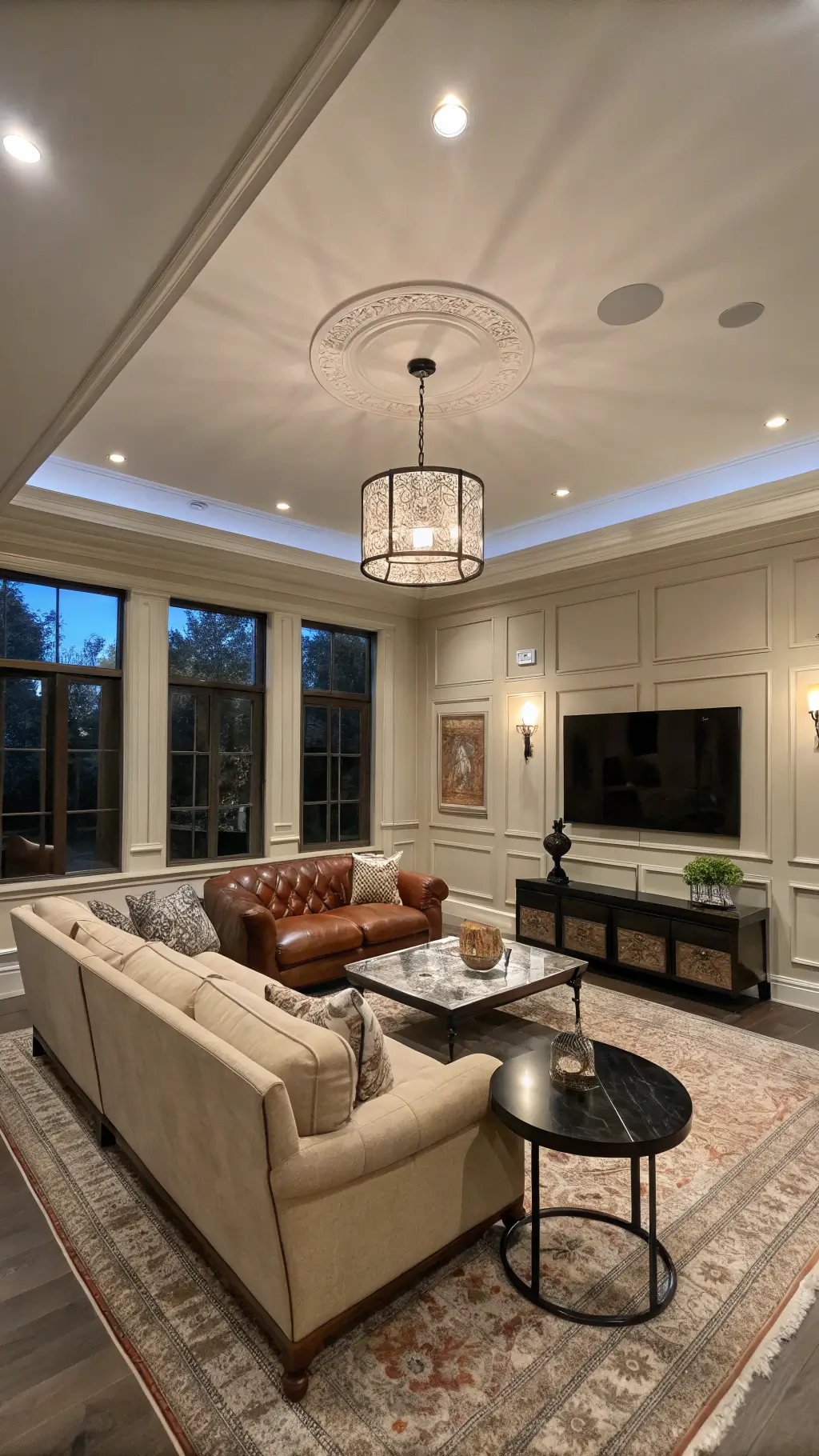
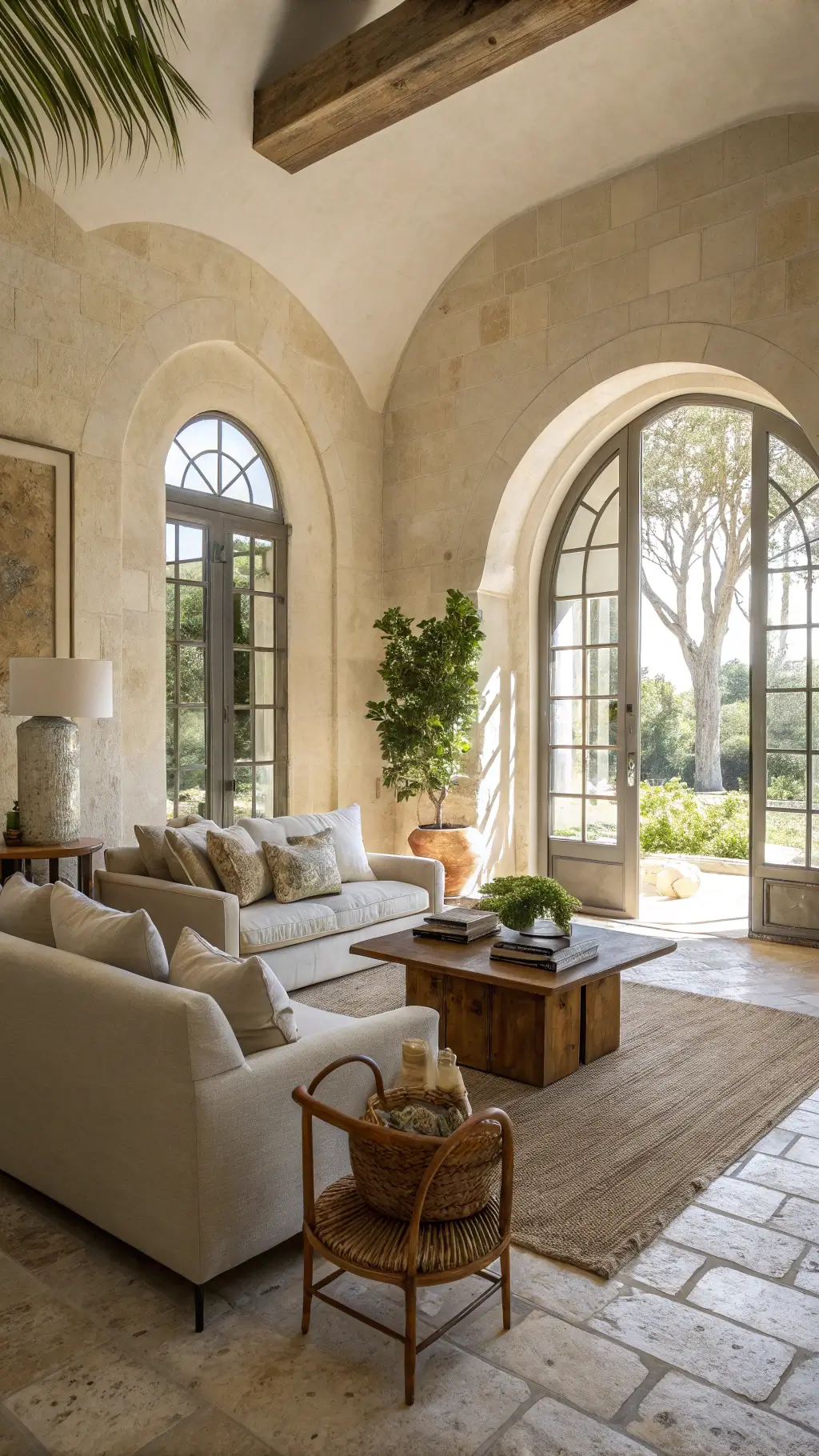
Furniture in transitional spaces acts as the foundation, blending sleek modern silhouettes with inviting traditional comfort.
- Sofas: Opt for streamlined frames paired with plush, inviting cushions
- Accent chairs: Combine angular designs with soft, rounded edges for visual interest
- Coffee tables: Choose simple shapes crafted from versatile materials like wood, glass, or metal
- Avoid extremes such as overly ornate Victorian pieces or stark minimalist designs
Incorporating Texture: Elevate Your Space with Layered Materials
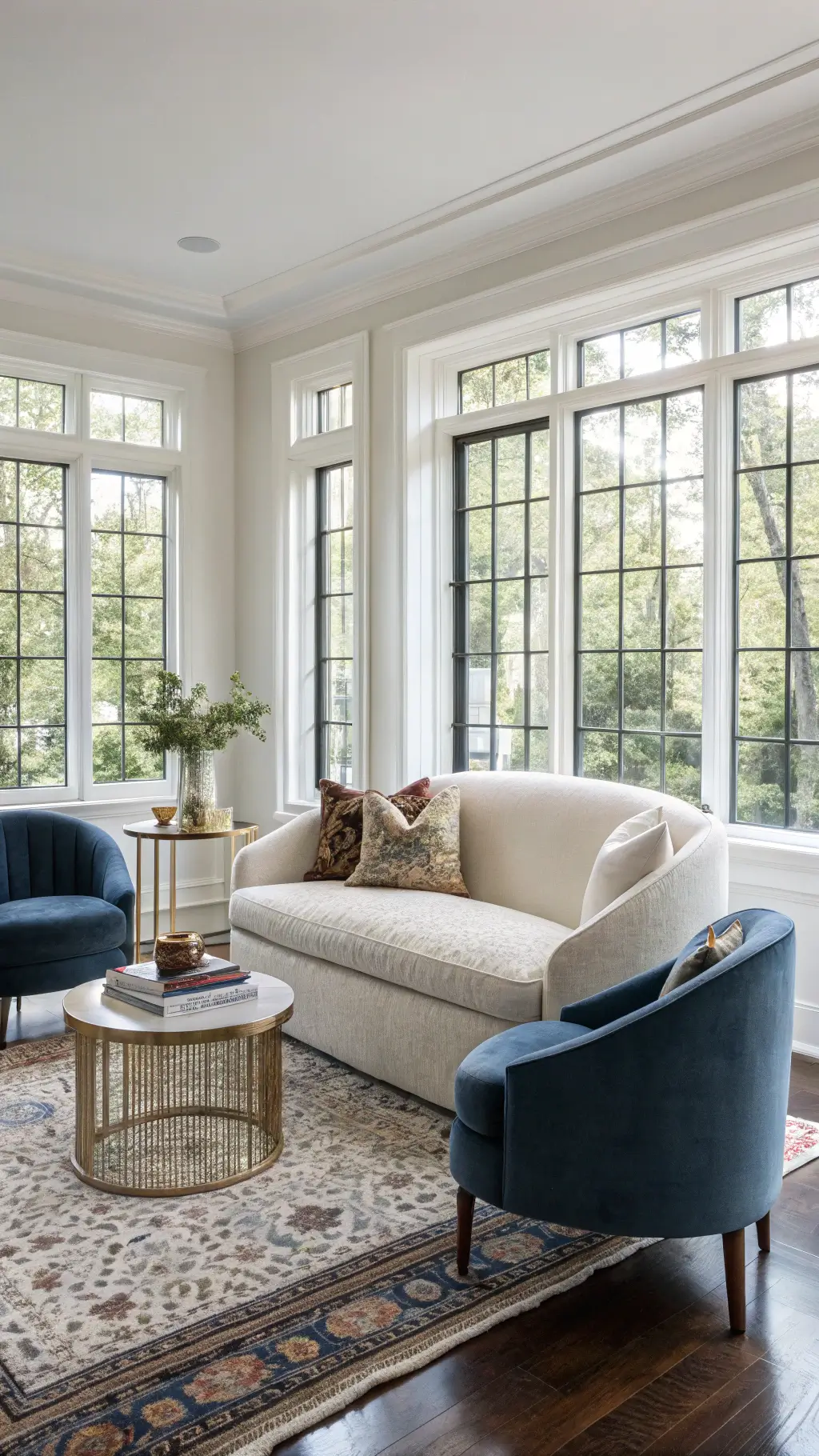
Texture breathes life into transitional interiors, preventing them from feeling flat or sterile.
- Mix throw pillows in diverse fabrics such as velvet, linen, and silk
- Introduce area rugs made from wool, jute, or silk blends for tactile richness
- Use knitted or woven throws to add warmth and coziness
- Contrast sleek surfaces like glass and metal with soft textiles for balance
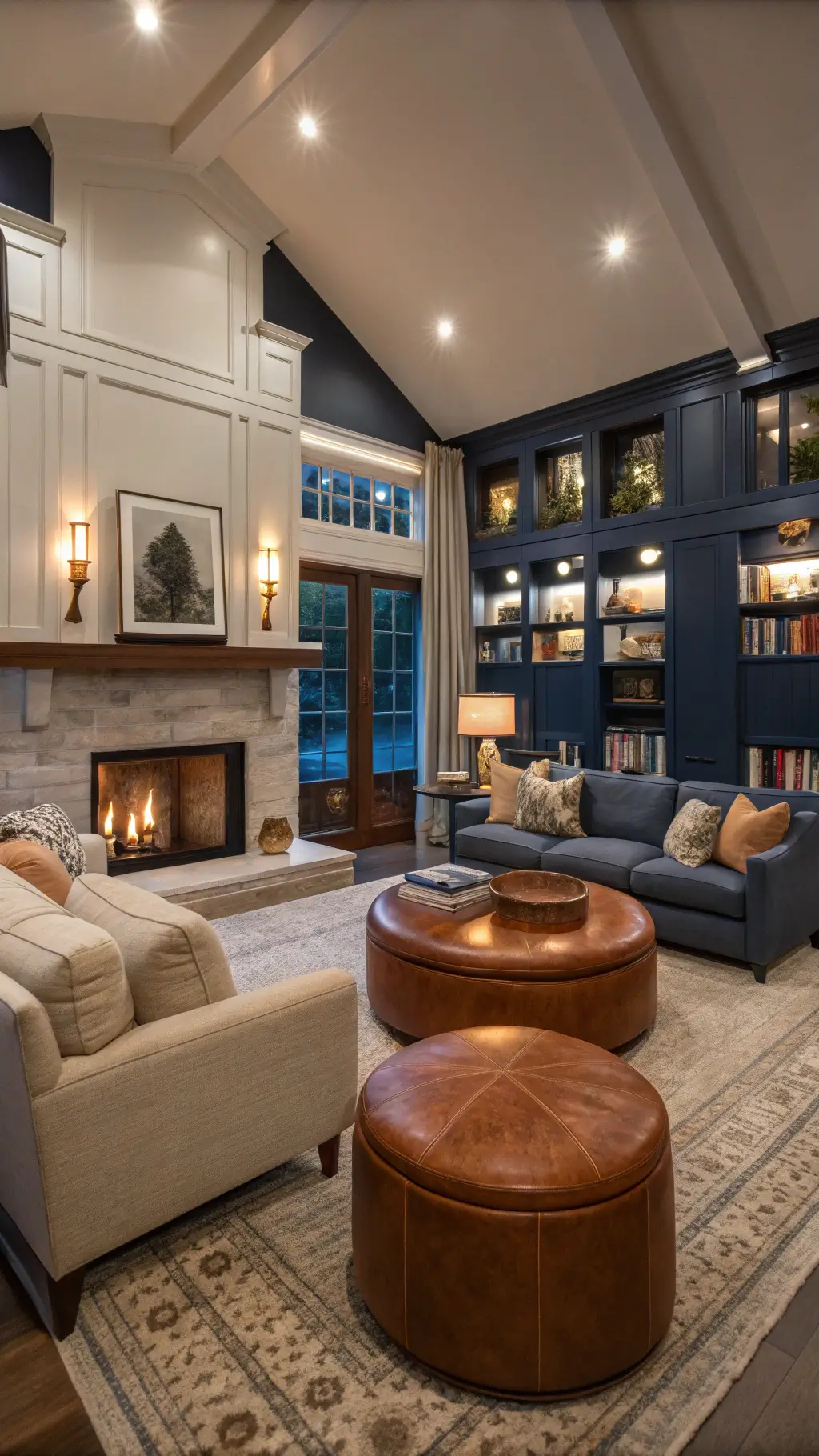
Lighting: Setting the Mood with Thoughtful Illumination
Beyond functionality, lighting in transitional rooms serves as a key design element that shapes ambiance and depth.
- Choose floor lamps with clean, understated profiles that complement the room’s style
- Favor soft, diffused light sources to create a warm, inviting atmosphere
- Incorporate fixtures with metallic finishes like brushed brass or matte black for subtle glamour
- Steer clear of overly ornate chandeliers or ultra-modern, industrial fixtures that clash with the balanced aesthetic
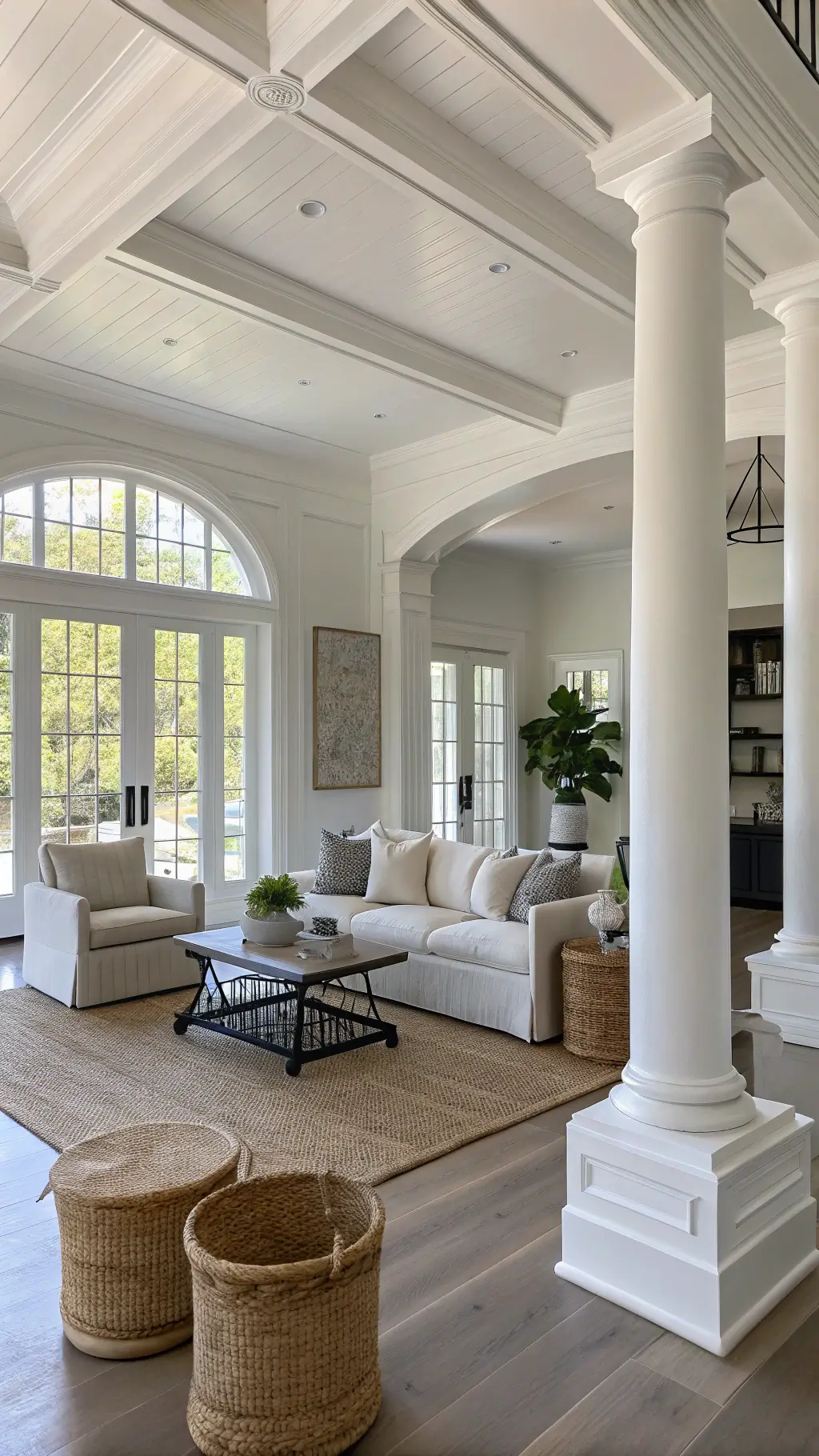
Mastering the Art of Minimalist Styling
In transitional interiors, simplicity reigns supreme. Every item should have a purpose and contribute to the overall harmony.
- Embrace asymmetrical layouts to add dynamic visual interest
- Strive for balance by mixing different shapes and sizes thoughtfully
- Limit decor to meaningful, curated pieces that tell a story
- Incorporate natural elements such as potted plants or fresh flowers to enliven the space
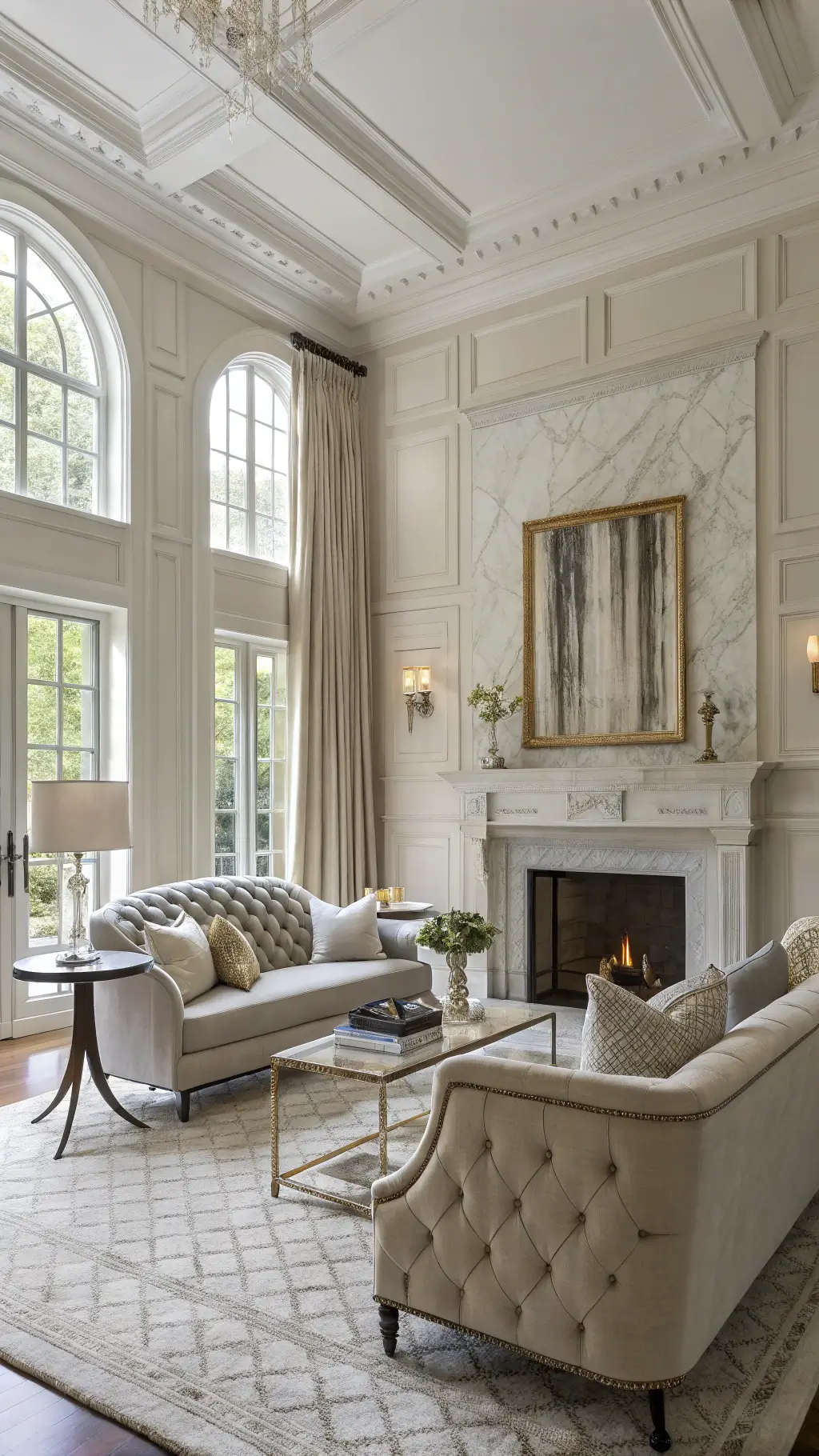
Affordable Ways to Refresh Your Transitional Space
Transforming your living room into a transitional haven doesn’t require a hefty investment.
- Scout thrift stores and flea markets for distinctive accent pieces
- Create personalized artwork or DIY decor to add character
- Rearrange existing furniture to optimize flow and balance
- Revitalize worn furniture with a fresh coat of paint or new upholstery
- Take advantage of seasonal sales to snag statement items at reduced prices
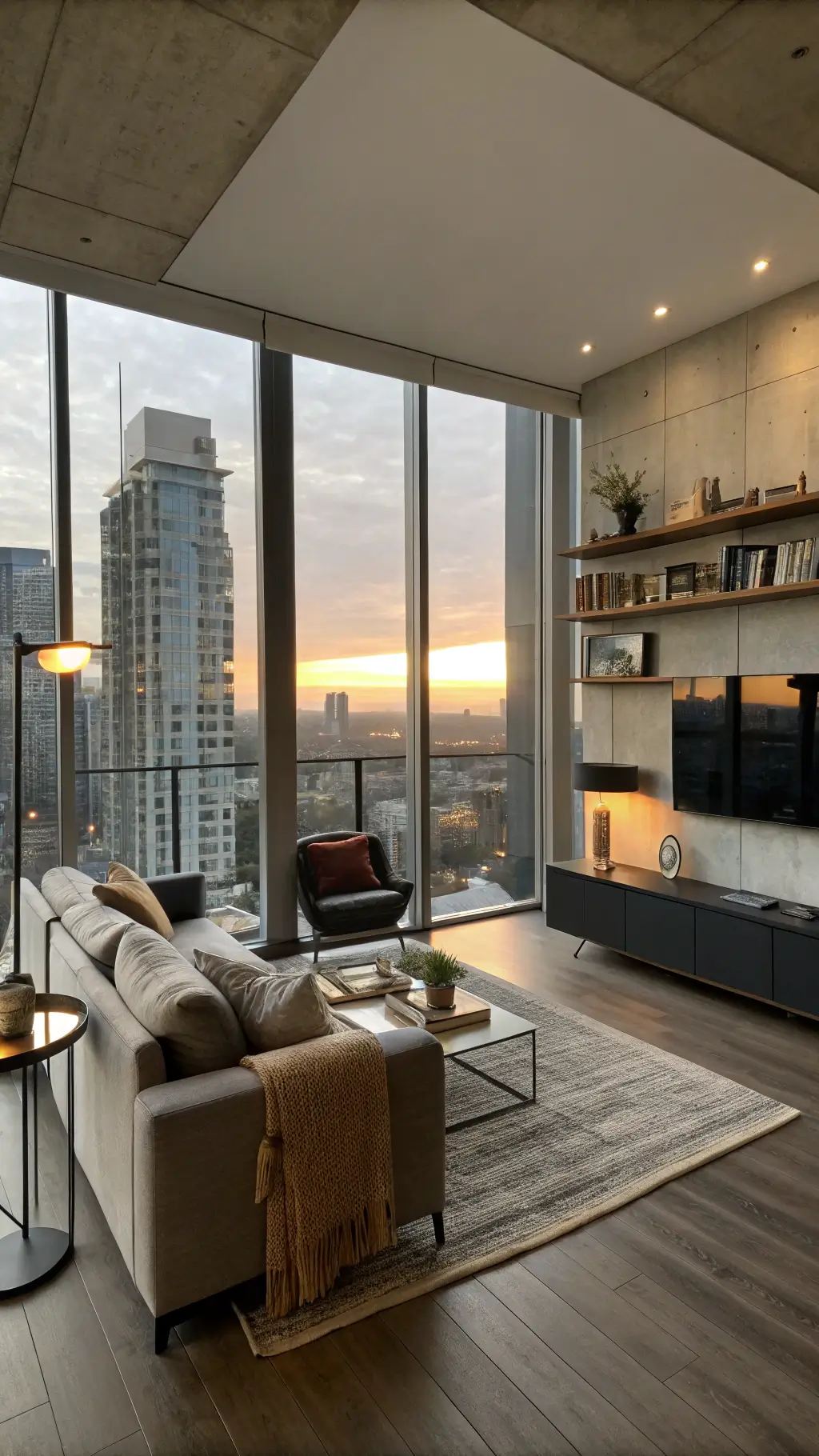
Common Pitfalls to Dodge in Transitional Design
To maintain the elegance and balance of transitional interiors, avoid these frequent missteps:
- Cluttering the room with too many furnishings or accessories
- Using conflicting or mismatched color schemes that disrupt harmony
- Neglecting the importance of scale and proportion in furniture and decor
- Overemphasizing symmetry, which can make the space feel rigid
- Failing to inject personal style, resulting in a generic atmosphere
Closing Thoughts: Craft a Living Space That Reflects You
Transitional design is not about chasing perfection but about creating a home that feels effortlessly welcoming, balanced, and uniquely yours.
Insider Tip: The most memorable transitional rooms narrate a personal story through thoughtful design choices.