 efistu.com Home Decor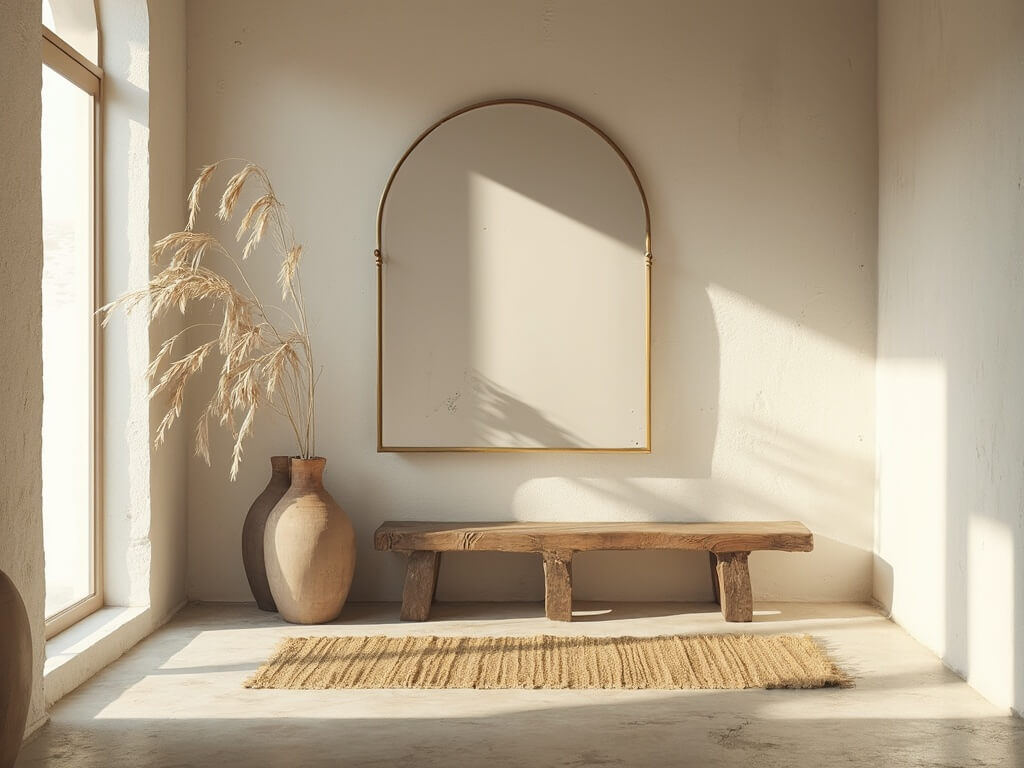
Crafting a Tranquil Wabi-Sabi Entryway That Gently Invites
The entrance to your home sets the tone for everything inside. Discover how to turn this often-overlooked area into a peaceful retreat that exudes genuine warmth and subtle elegance.
The Essence of Wabi-Sabi: Celebrating Flawed Beauty in Your Entry
Picture stepping into a space that instantly dissolves tension and invites calm. This is the heart of a wabi-sabi entryway—a design ethos that honors:
- The charm found in imperfection
- Organic, unrefined materials
- Understated, minimalist style
- Honest and unpretentious simplicity
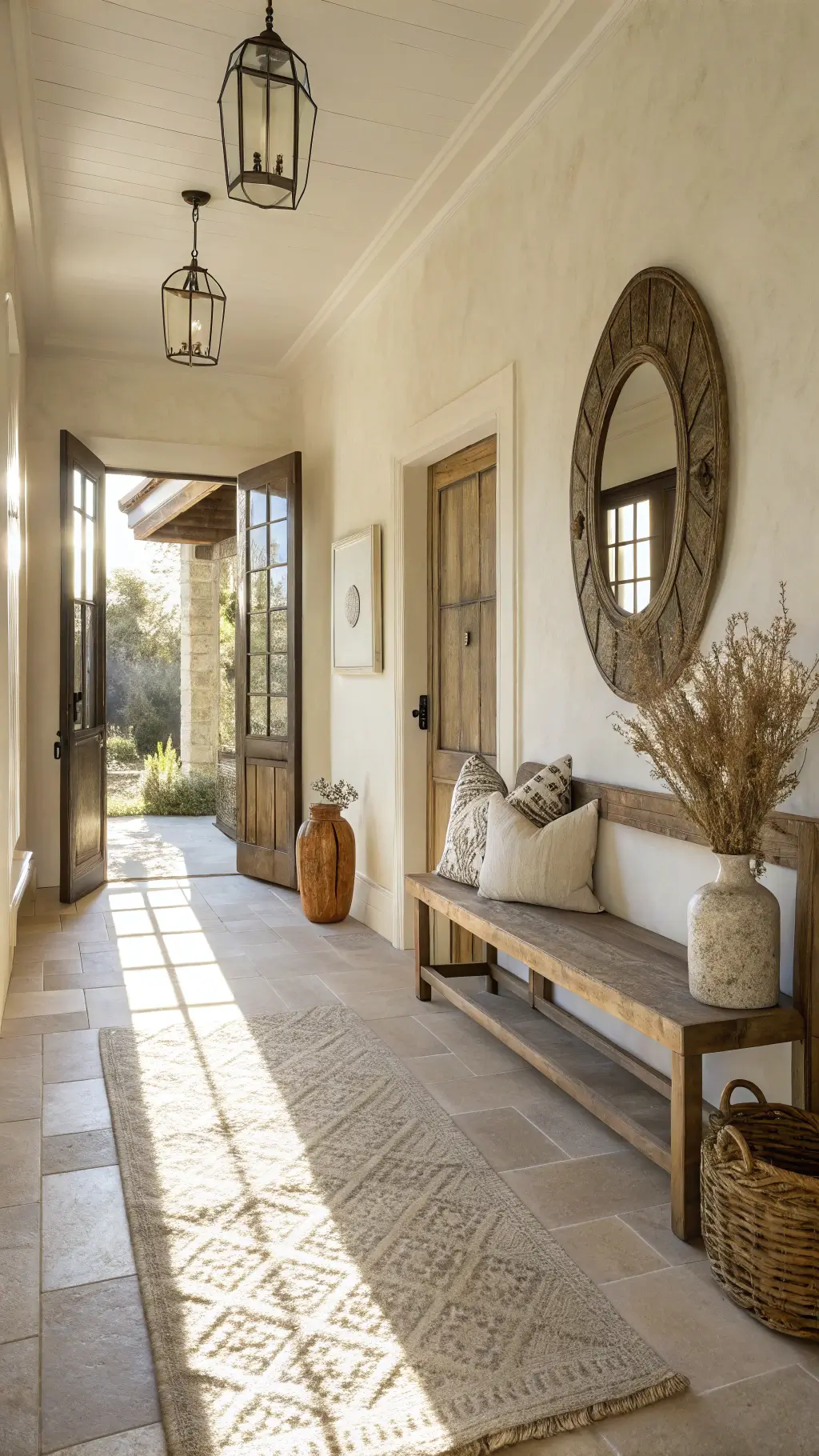
Key Components for a Peaceful and Inviting Entry
Core Furnishings and Accents
Essential Wabi-Sabi Items to Include:
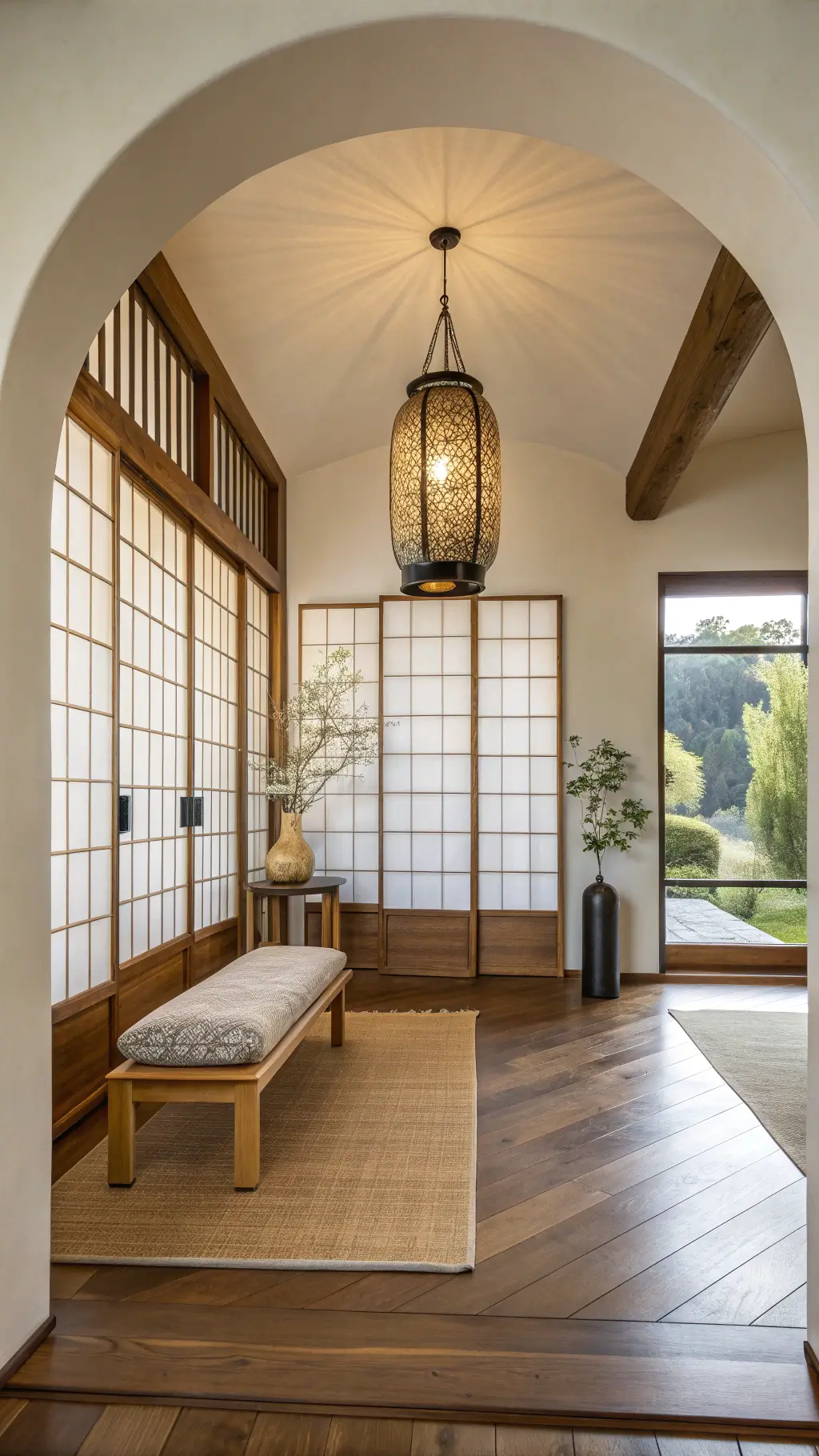
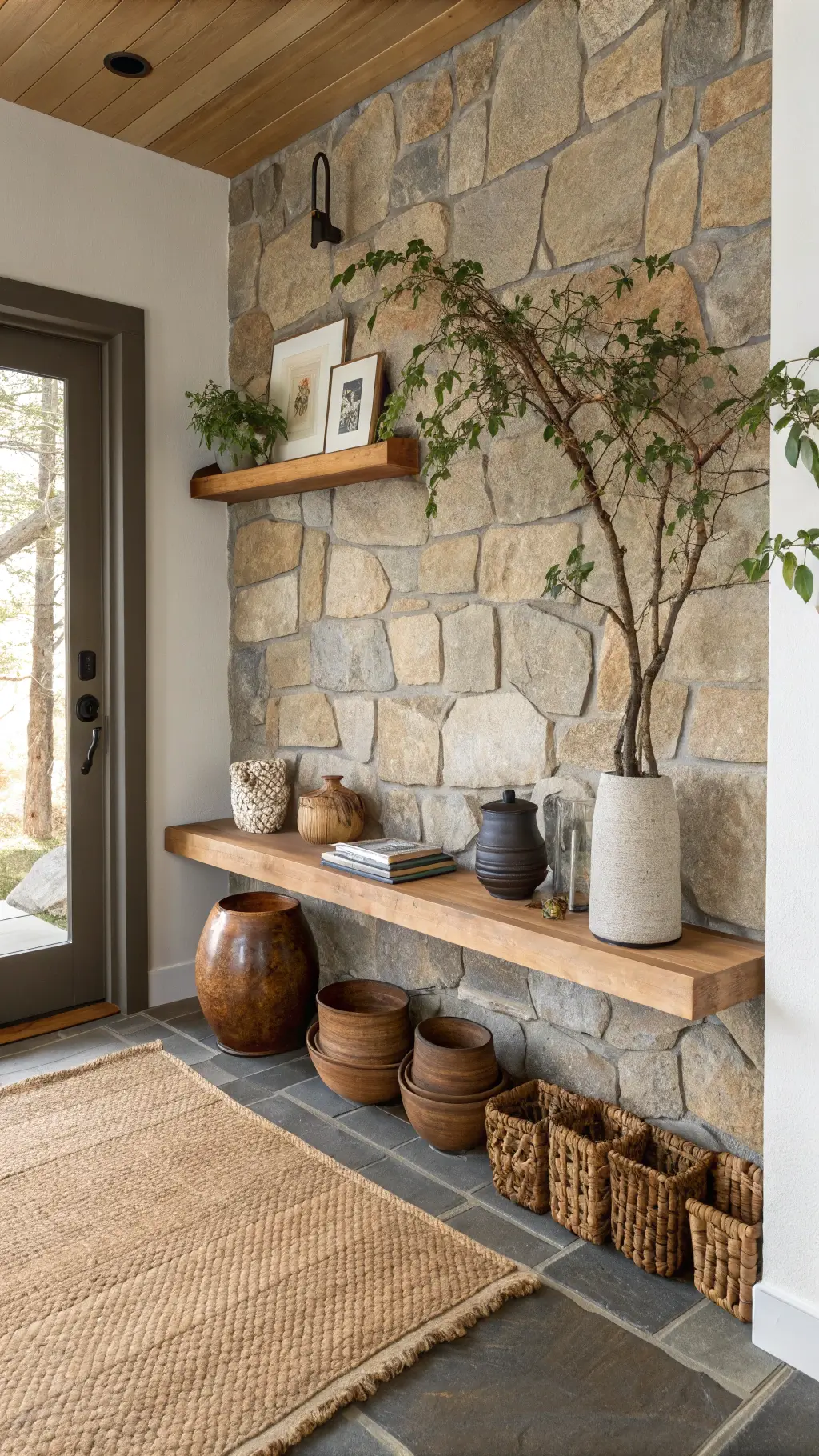
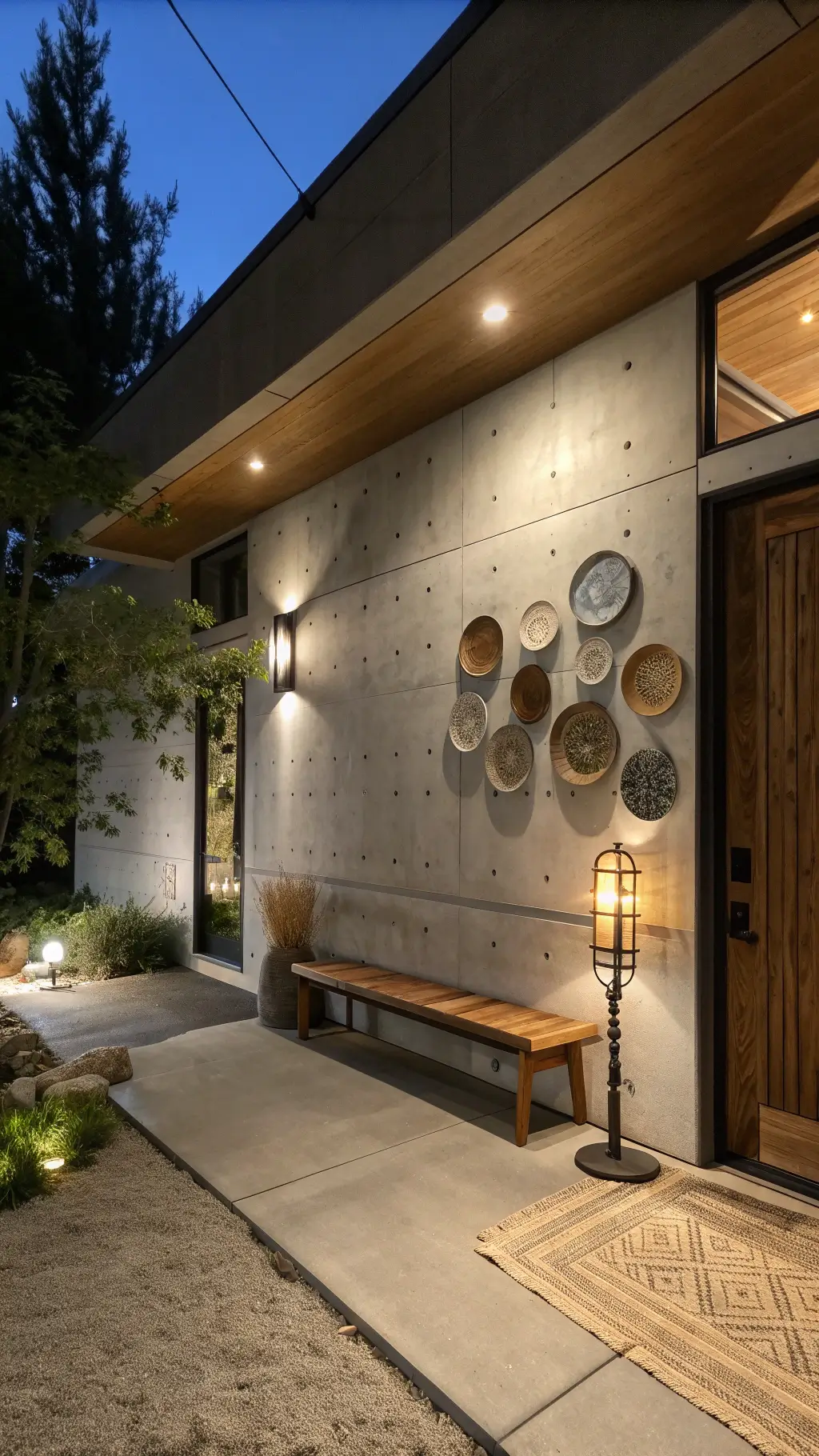
- A bench crafted from raw wood showcasing natural grain patterns
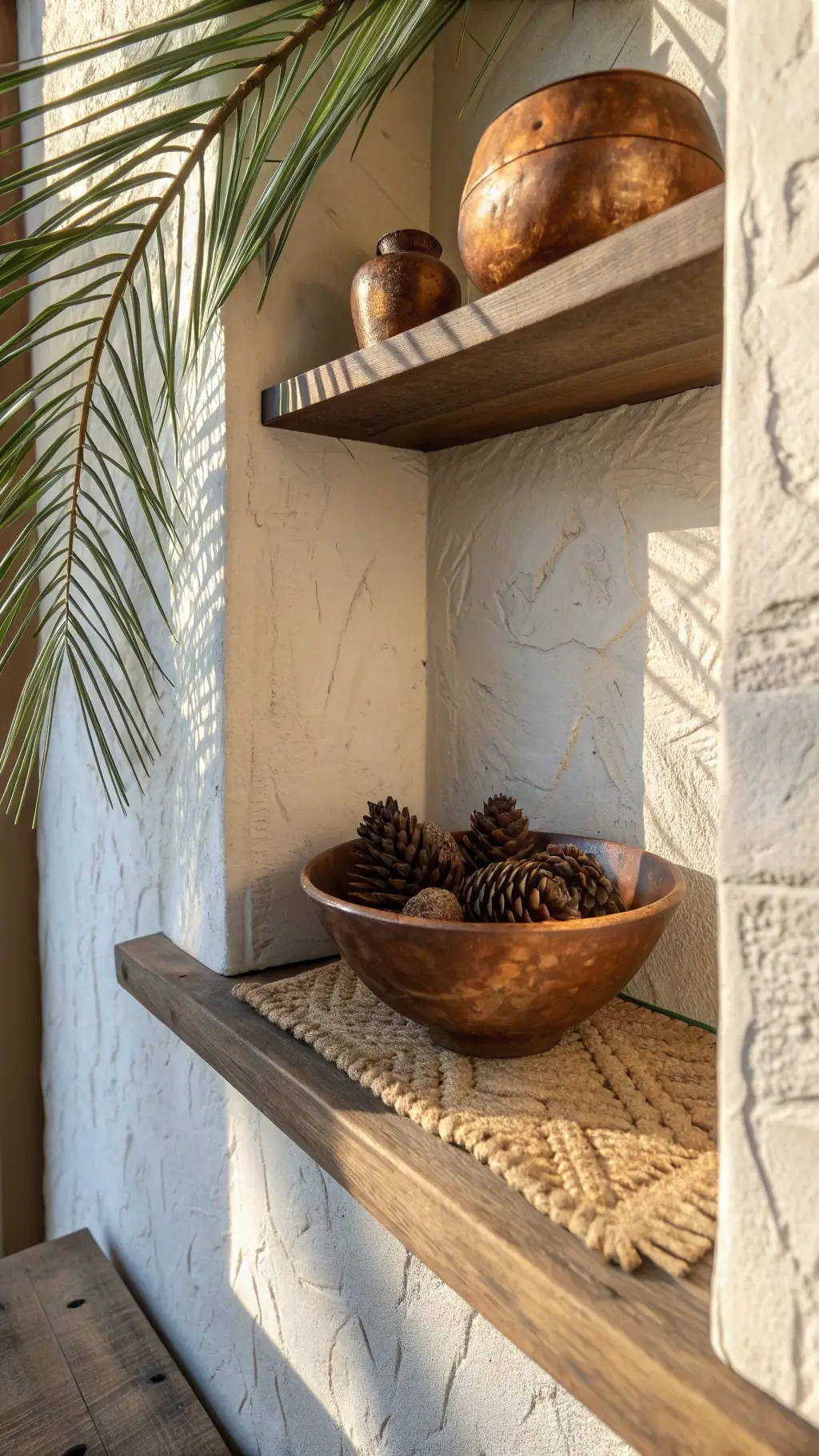
- Handmade ceramic trays or bowls for small items
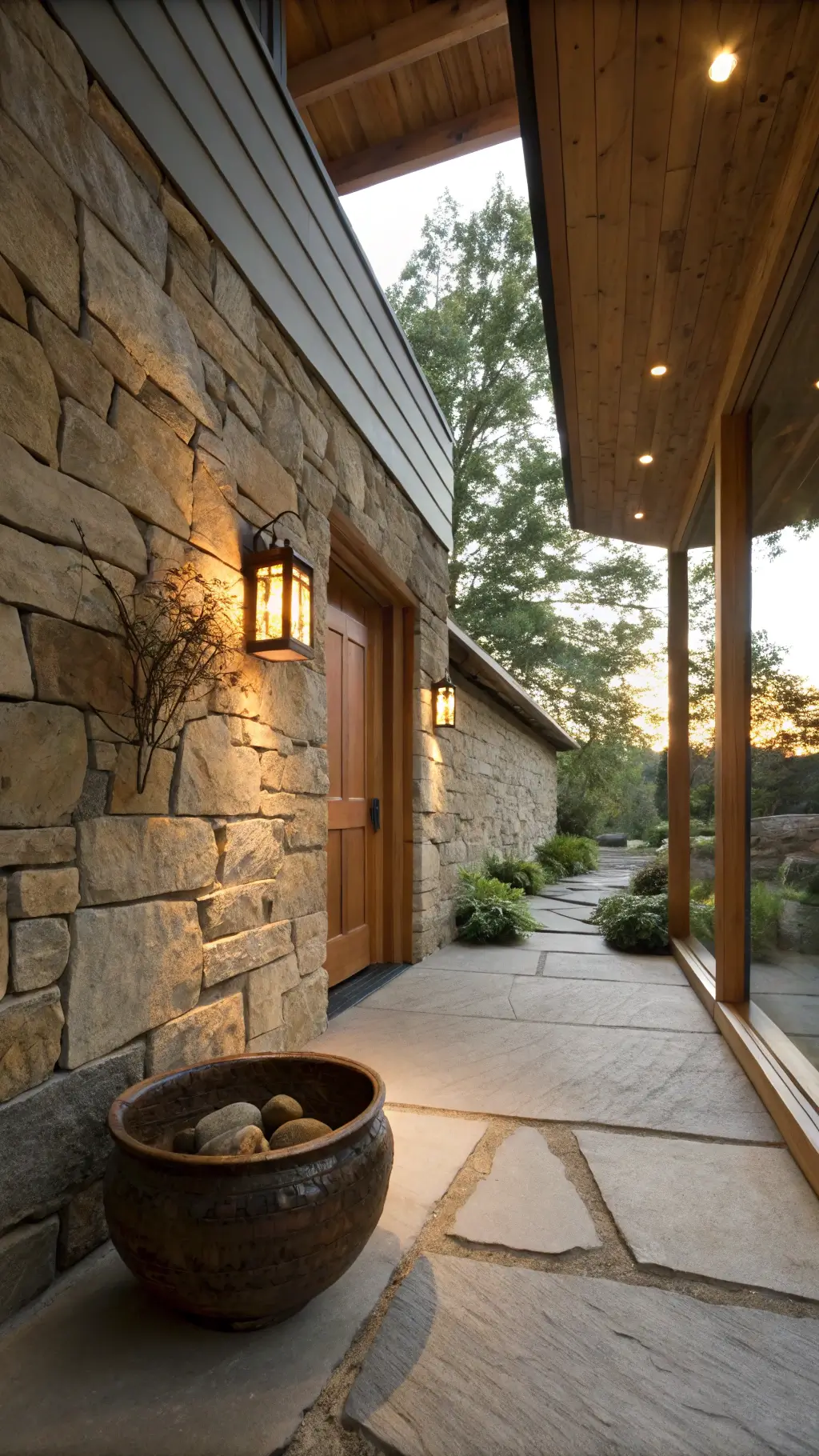
- Decorative accents made from stone or driftwood
- A rug woven from natural fibers with gentle textures
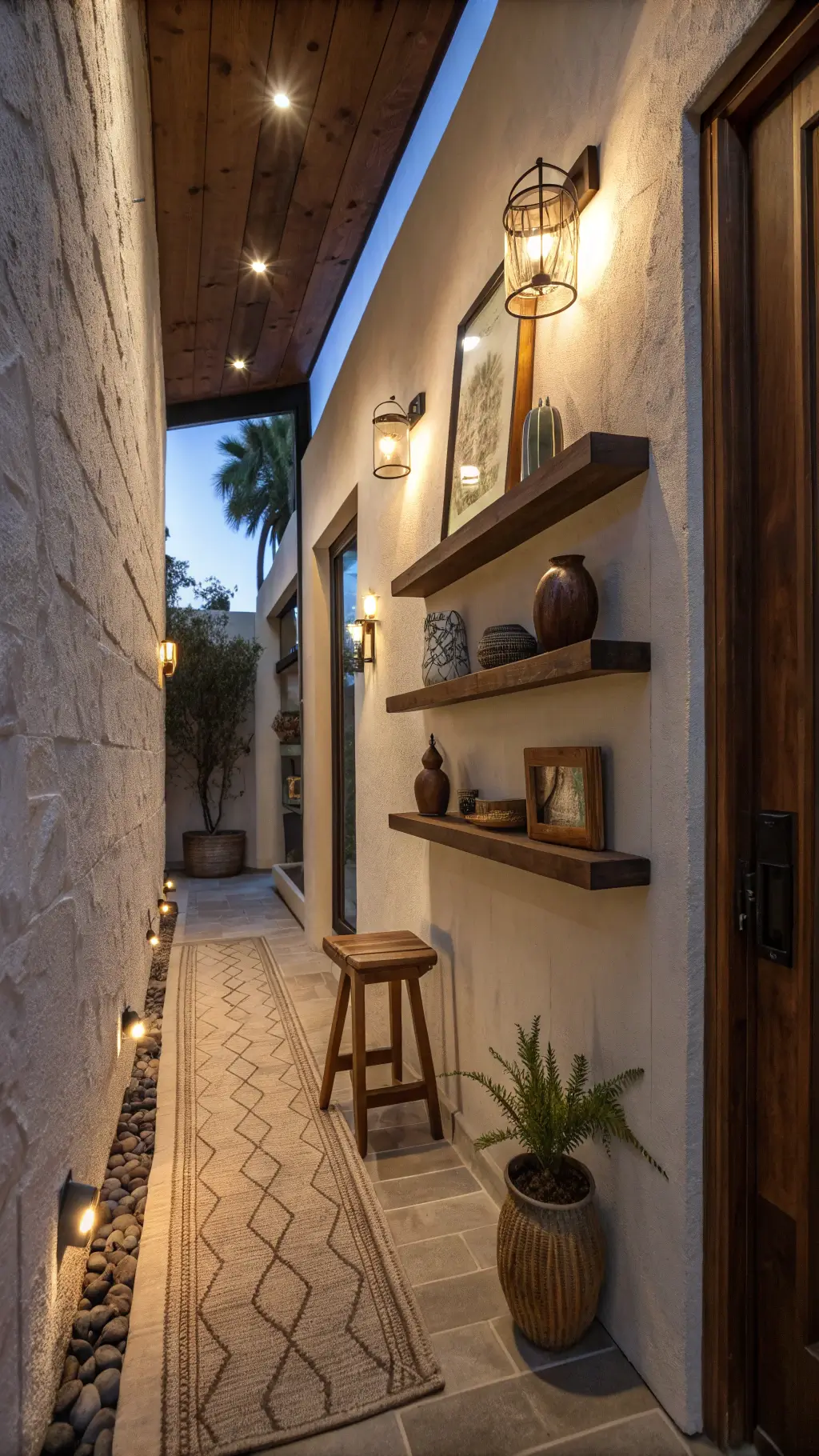
Choosing a Soothing Color Scheme
To evoke tranquility, opt for a palette that includes:
- Gentle neutrals such as stone, taupe, and warm grays
- Soft earth tones that ground the space
- Subtle touches of charcoal or deep forest green for depth
Mastering the Art of Wabi-Sabi Styling
Embrace Simplicity and Space
Styling Guidelines:
- Allow open areas to breathe and avoid clutter
- Incorporate items that show character and history
- Focus on tactile textures rather than volume
- Choose objects that carry personal or cultural significance
Arranging Your Entryway with Intention
Placement Tips:
- Begin with a neutral-toned rug as your foundation
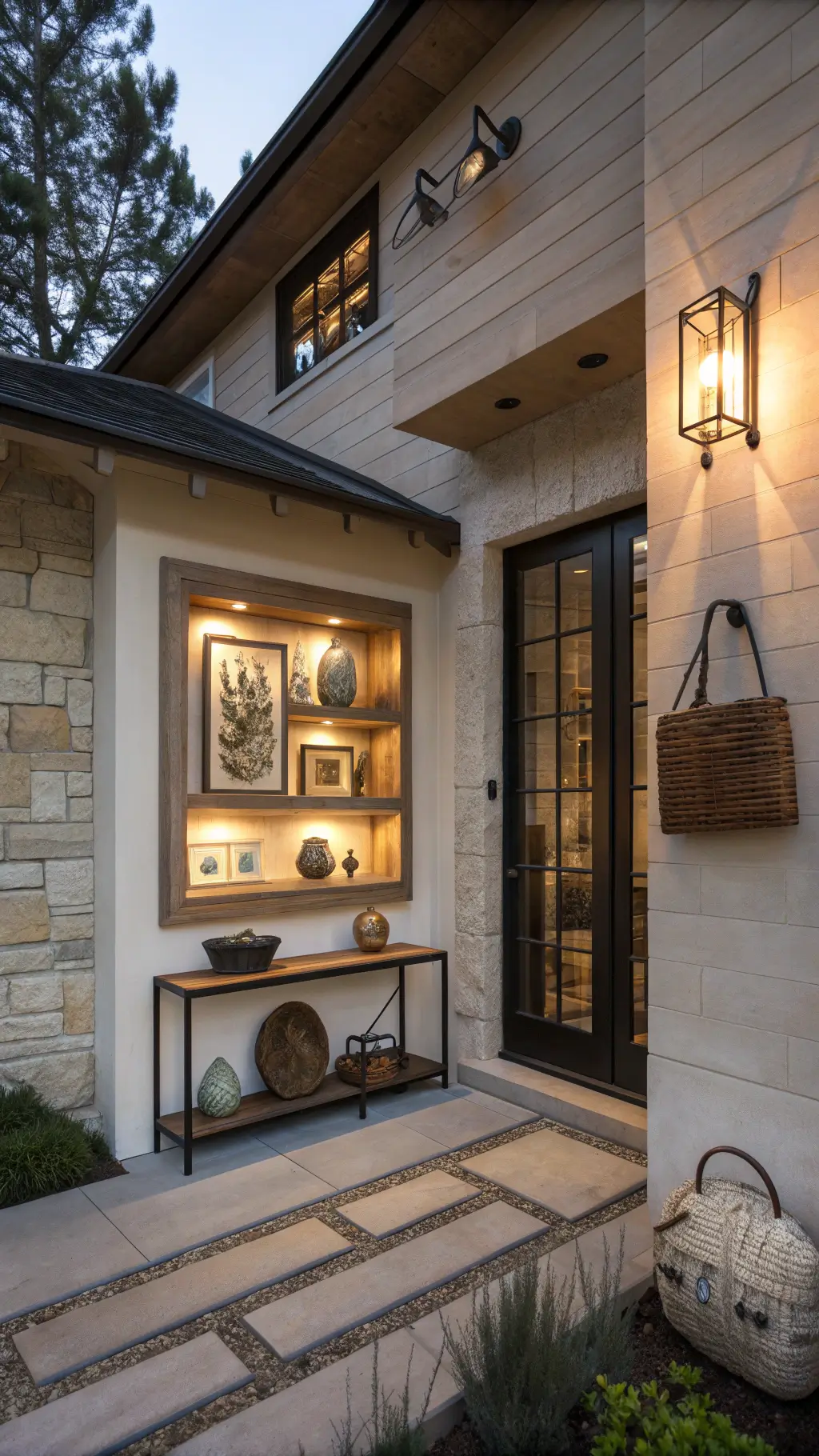
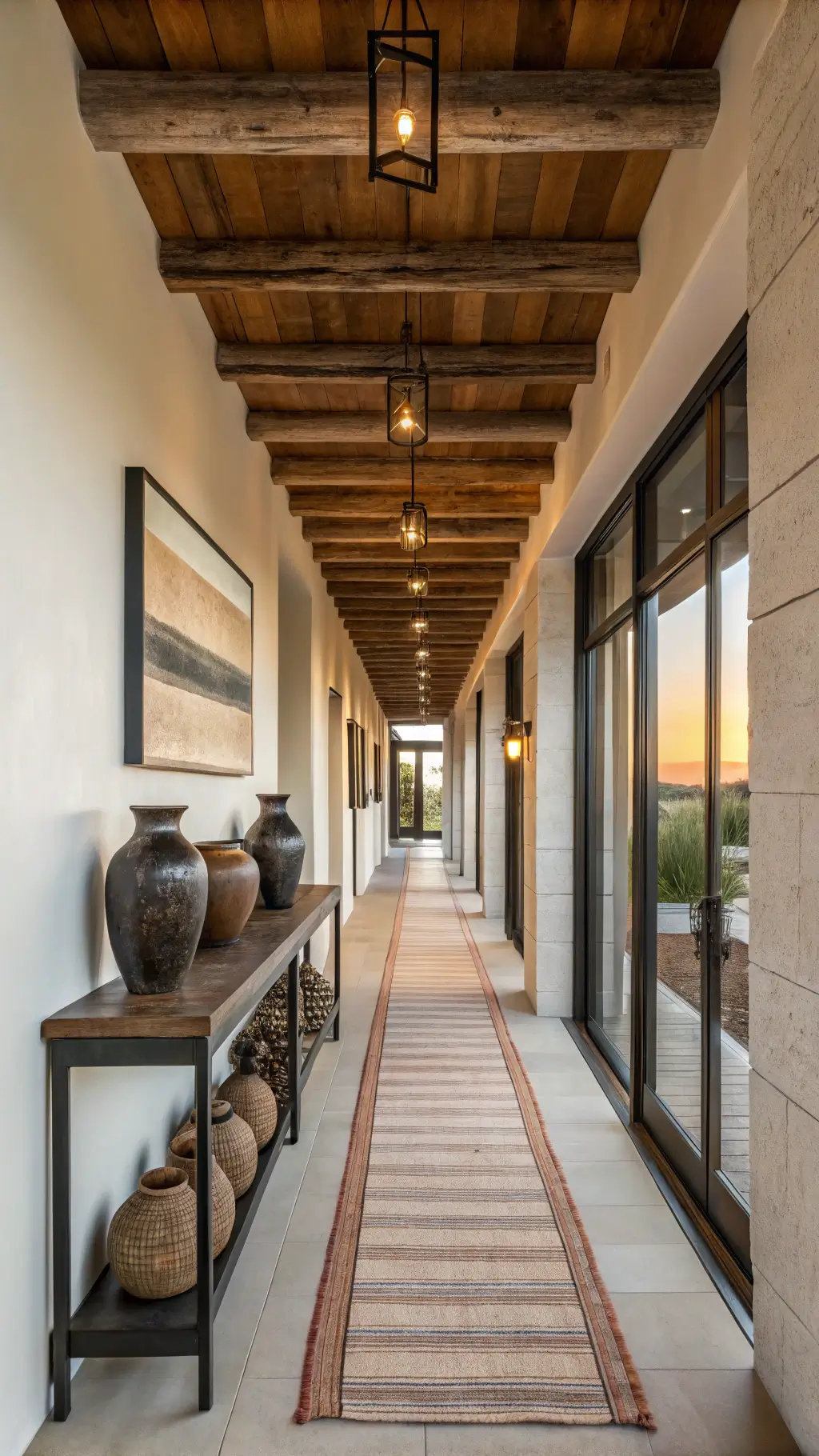
- Incorporate a standout furniture piece, like a rustic bench or console
- Layer in a few carefully chosen, meaningful accessories
- Maintain ample space between items to preserve calmness
Affordable Ways to Infuse Wabi-Sabi Charm
Creating a serene entry doesn’t require splurging:
- Scout thrift stores for unique ceramic pieces
- Gather natural elements like branches, stones, or pinecones from outdoors
- Incorporate neutral-toned linens and textiles
- Refresh the space seasonally with natural accents
Maintaining Your Serene Space
Simple Upkeep Tips:
- Dust weekly and rearrange sparingly
- Swap out botanical elements with the seasons
- Rotate artwork or small decorative items periodically
- Keep surfaces clear to maintain a sense of openness
Common Pitfalls to Steer Clear Of
Wabi-Sabi Design Mistakes:
- Filling the space too densely
- Incorporating overly bright or flashy colors
- Favoring perfectly symmetrical or mass-produced items
- Neglecting the beauty of natural flaws and wear
Personalizing Your Entryway: A Reflection of You
Wabi-sabi is not about flawless perfection but about embracing authenticity. Your entryway should tell your story—weathered, genuine, and inviting in its own unique way.
Simple Steps to Refresh Your Space
- [ ] Remove all current clutter and unnecessary items
- [ ] Choose a neutral foundational piece like a rug or bench
- [ ] Add two to three meaningful, textured accessories
- [ ] Incorporate natural elements such as wood or stone
- [ ] Step back and appreciate the calm you’ve created
Balancing Cost and Style
Investment Overview:
- DIY and thrifted approach: $100–$300
- Moderate budget refresh: $300–$700
- Professional designer makeover: $700–$1500
Insider tip: The most impactful pieces often come from thoughtful choices, not price tags.
Closing Reflections
Your entryway is more than a threshold—it’s a pause, a moment of calm before stepping into the world. By embracing the imperfect and the simple, you create a space that nurtures peace and authenticity every day.
Wabi-sabi transcends trends; it’s a philosophy that finds beauty in the naturally imperfect.