 efistu.com Home Decor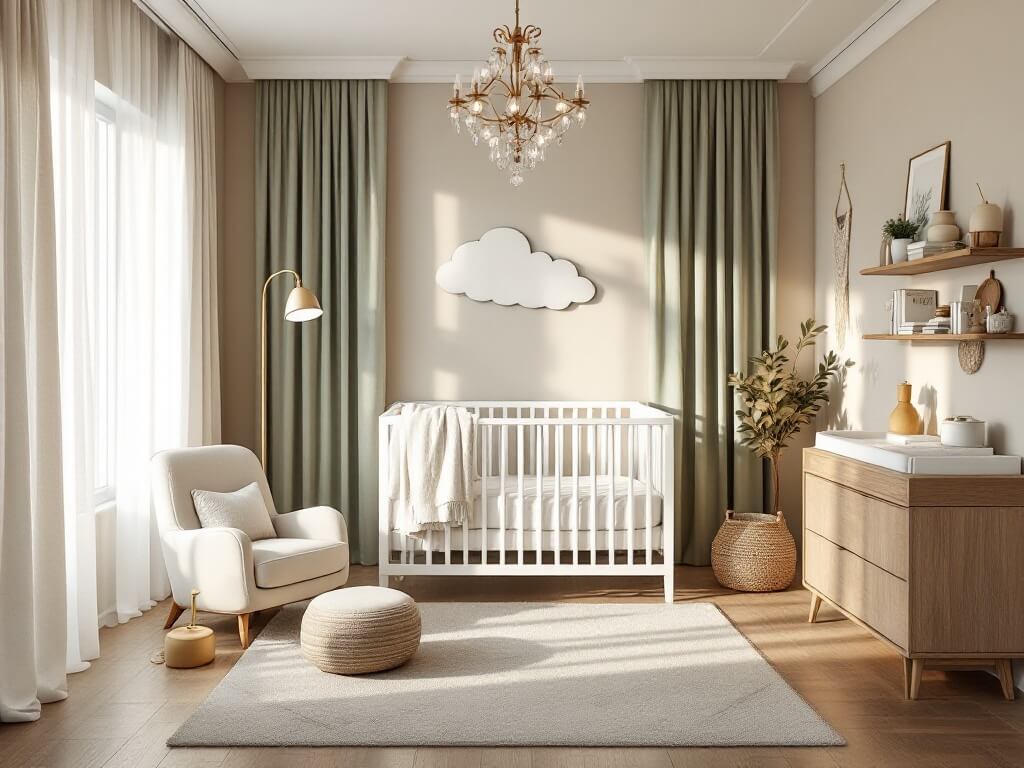
The Importance of Thoughtful Nursery Design
The nursery is far more than just a room—it’s the backdrop for your baby’s earliest moments and cherished memories.
Having crafted over 200 nurseries, I can confidently say that a carefully designed nursery transforms those challenging 3 AM feedings and diaper changes into smoother, more manageable experiences.

Key Components for a Functional Nursery
1. Sleep Sanctuary
- Durable, safety-certified crib (JPMA certified)
- Hypoallergenic, breathable mattress
- Light-blocking curtains for uninterrupted naps
- Gentle nightlight
- White noise machine to soothe your baby
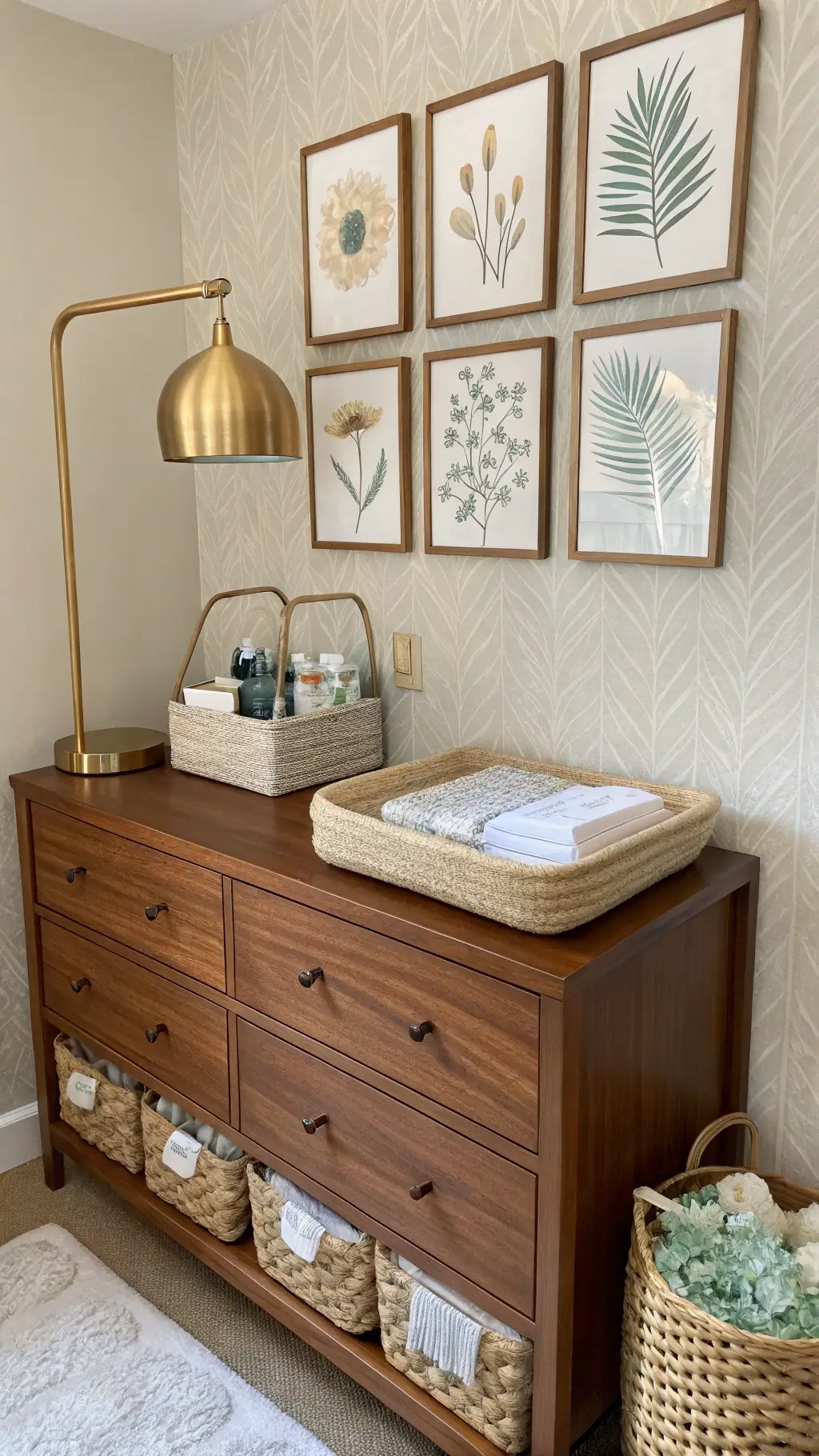
2. Diapering and Changing Area
- Changing table or dresser with a cushioned changing pad
- Diaper storage within easy reach
- Bright, adjustable lighting
- Accessible wipes and creams
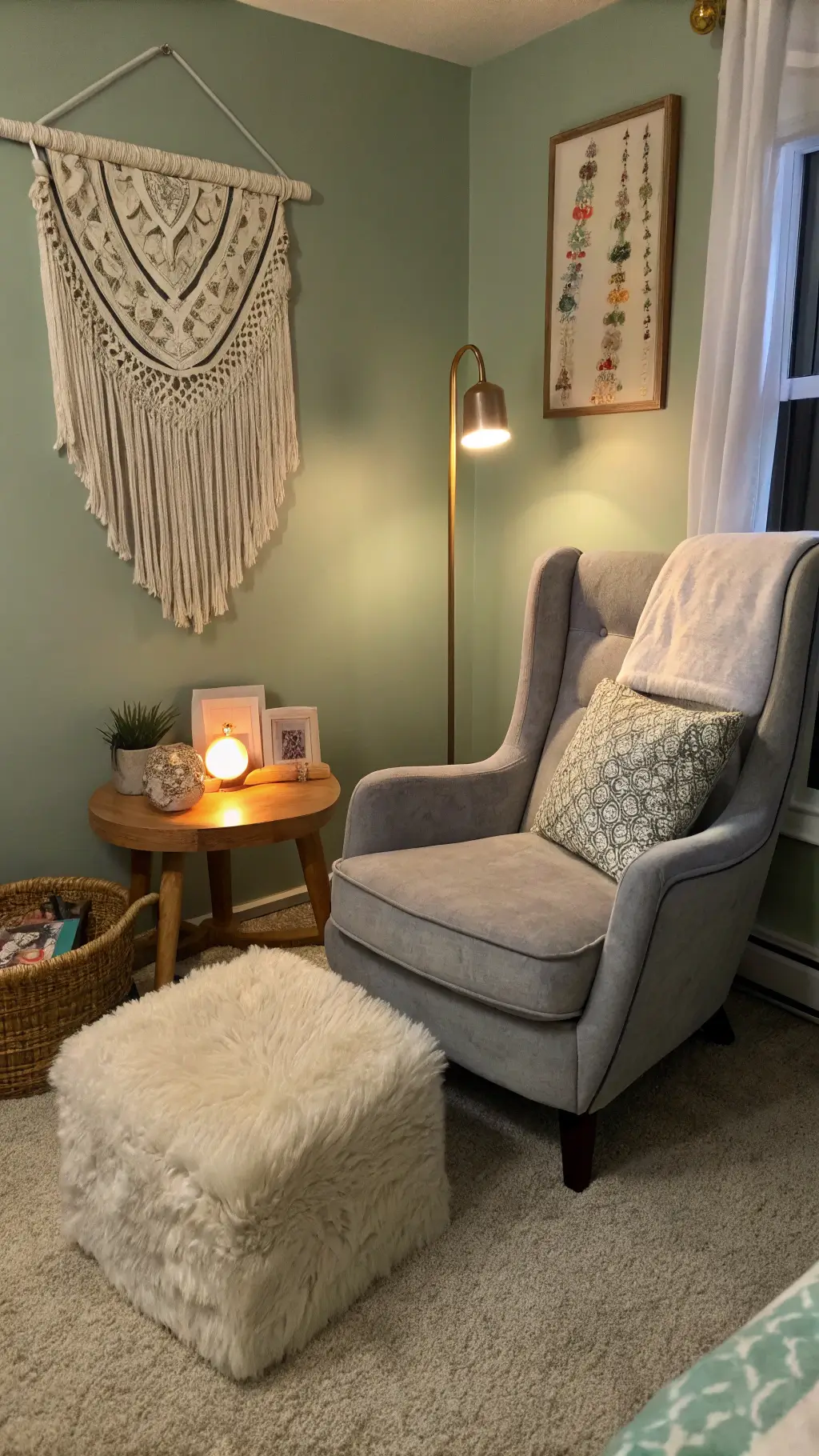
3. Feeding Nook
- Ergonomic glider or rocking chair for comfort
- Side table to hold feeding essentials
- Footrest for added relaxation
- Adjustable, soft lighting
Nursery Budget Guide: Options for Every Wallet
Entry-Level Setup ($500–$800)
- Convertible crib: $200–300
- Basic changing table: $100–150
- Comfortable glider: $150–200
- Storage bins and organizers: $50–150
Mid-Tier Choices ($800–$1500)
- High-quality crib: $400–600
- Dresser and changing table combo: $300–400
- Ergonomic glider: $250–350
- Custom storage solutions: $150–250
Premium Nursery ($1500 and up)
- Designer crib: $800+
- Bespoke furniture pieces: $500+
- Luxury glider or rocker: $400+
- Built-in storage units: $300+
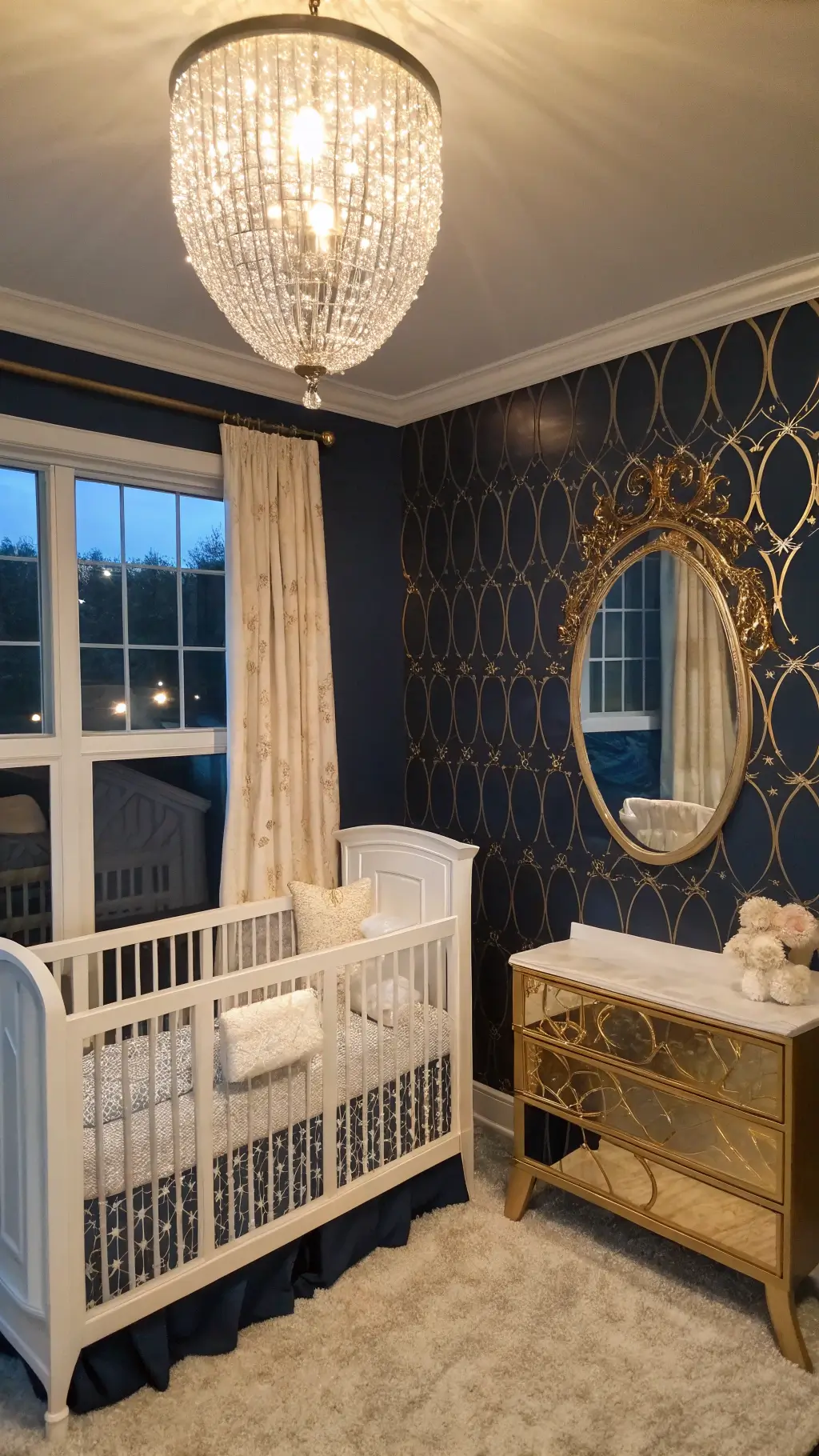
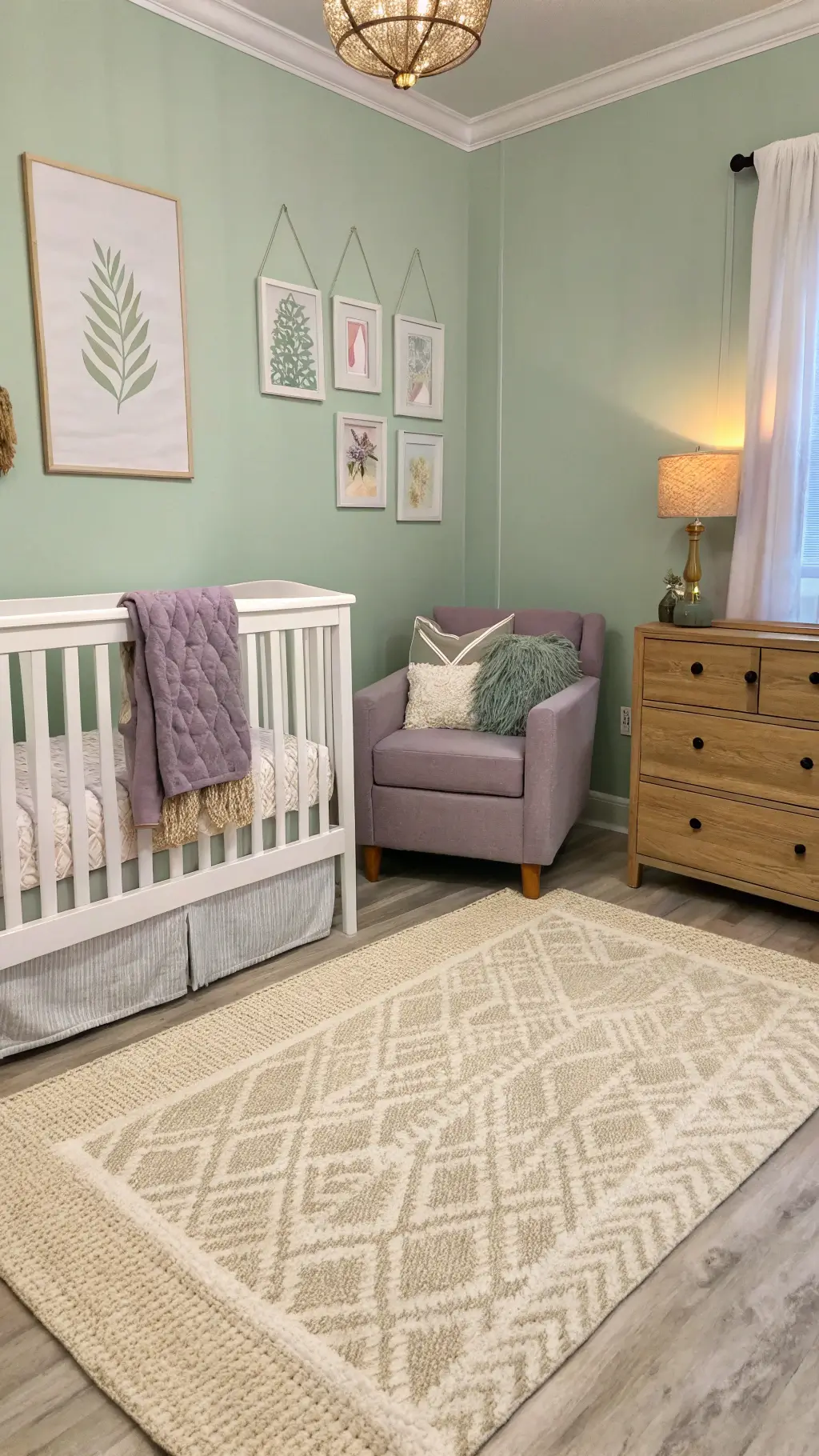
Understanding Color Psychology in Nursery Design
Insider Tip: Select colors that evoke the mood you want to cultivate rather than simply following popular trends.
Soothing Hues
- Gentle sage green
- Soft lavender
- Warm gray tones
- Light sky blue
Invigorating Shades
- Bright sunflower yellow
- Vibrant coral
- Refreshing mint
- Soft peach
Effective Storage Ideas for Your Nursery
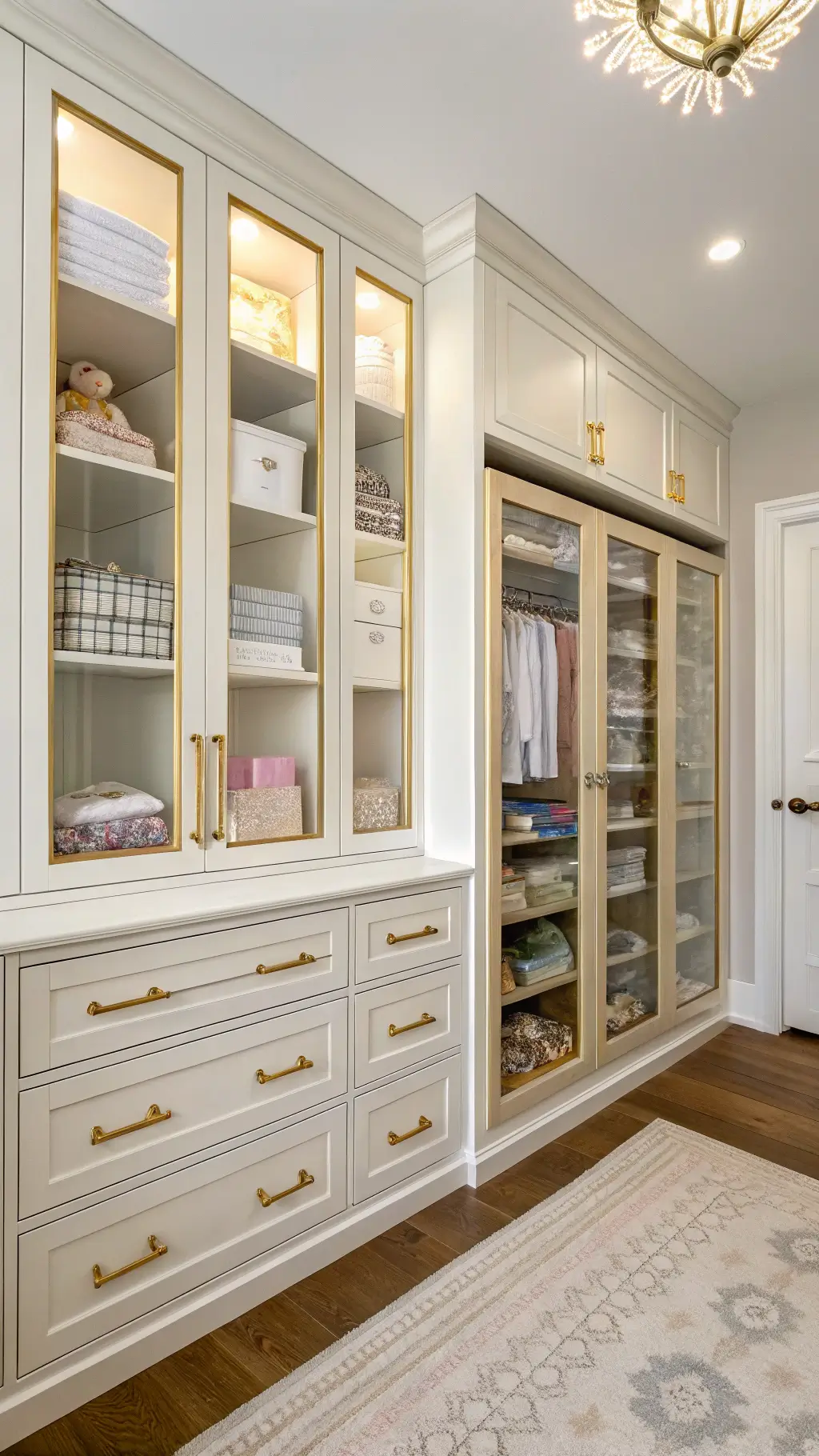
From my extensive experience designing nurseries, these storage solutions consistently prove practical and efficient:
- Drawers beneath the crib for extra storage
- Organizers hung over doors
- Floating shelves to maximize wall space
- Furniture with multiple functions
- Closet systems tailored for baby gear
Common Pitfalls in Nursery Layout to Steer Clear Of
- Positioning the crib beneath a window
- Filling the room with too much furniture
- Neglecting proper lighting design
- Failing to provide adequate storage
- Prioritizing aesthetics over practicality
Expert Advice for Designing Compact Nurseries
- Maximize vertical storage options
- Opt for multi-purpose furniture pieces
- Ensure well-planned lighting
- Keep the color scheme light and airy
- Incorporate mirrors to visually expand the space
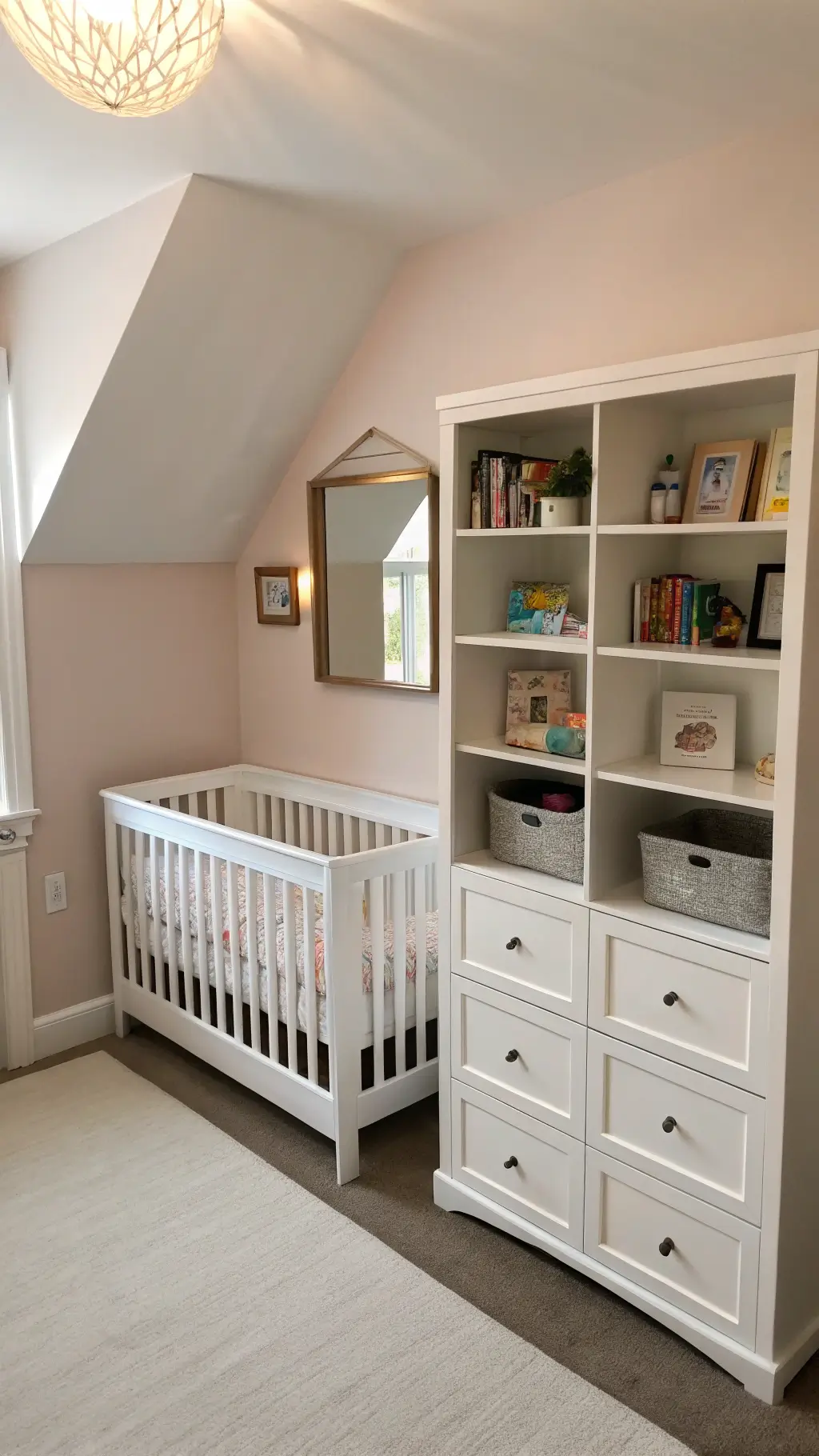
Prioritizing Safety in Nursery Design
- Secure furniture to walls to prevent tipping
- Use outlet covers to protect curious fingers
- Install window guards for added security
- Choose cordless window treatments to eliminate hazards
- Keep frequently used items within easy reach
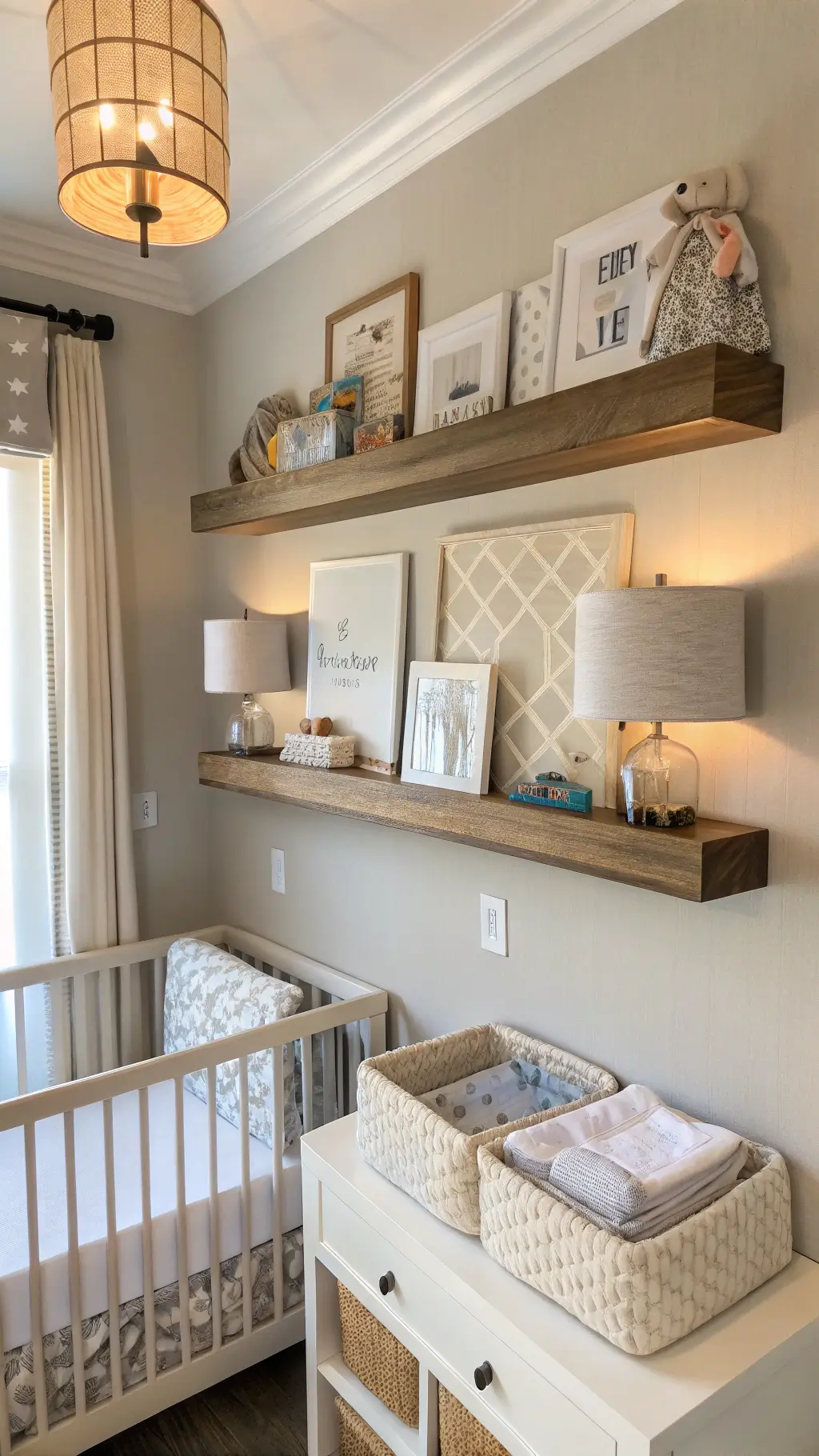
Designing a Nursery That Evolves with Your Child
Plan for the future! A nursery should adapt as your little one grows:
- Invest in convertible furniture that transitions with your child
- Choose neutral, timeless base colors
- Incorporate adjustable storage solutions
- Reserve open areas for playtime
- Focus on classic design elements that won’t go out of style
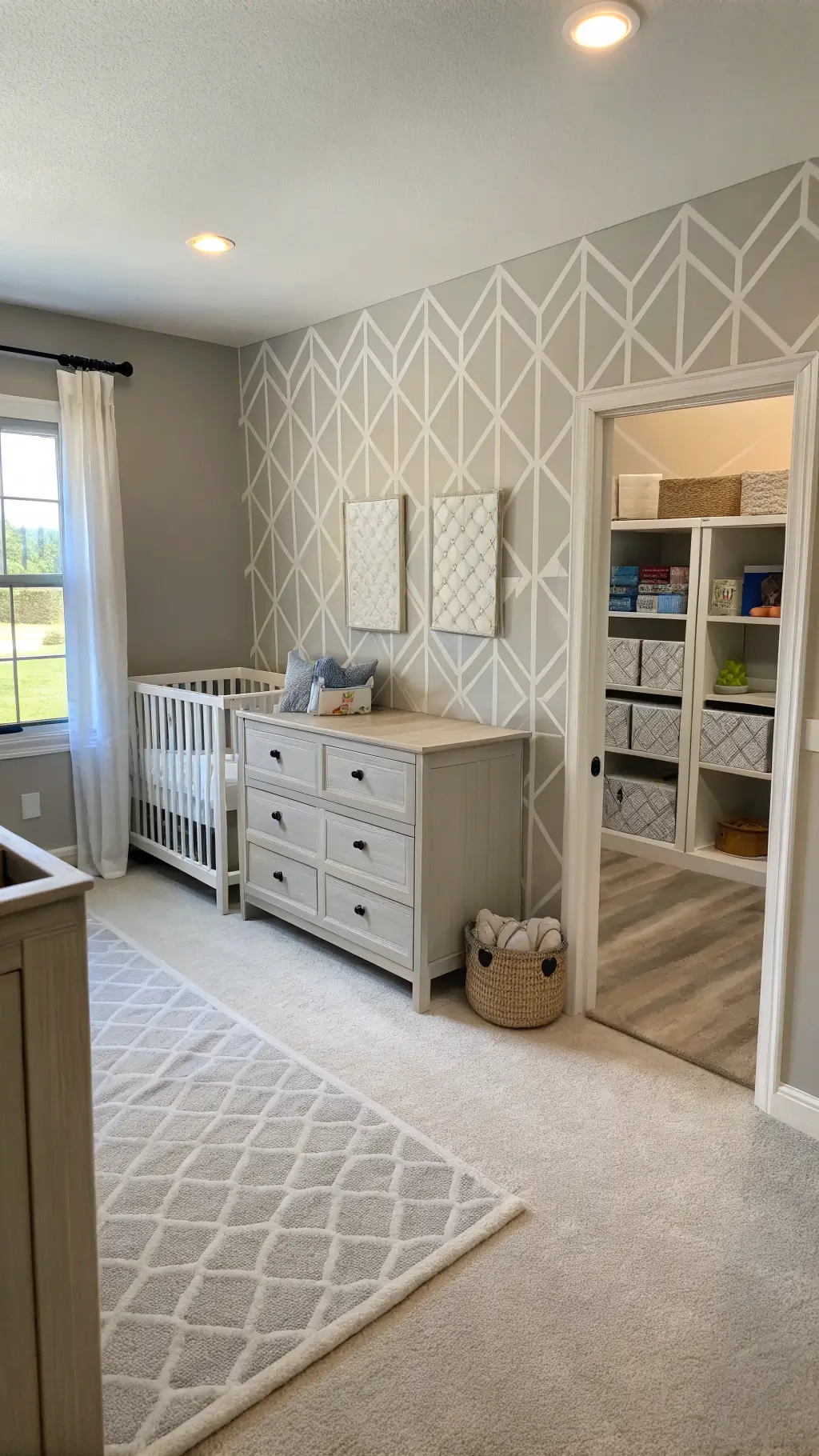
Ultimately, the ideal nursery strikes a harmonious balance between style and practicality. Begin with these foundational elements and infuse your unique personality—that’s what transforms a room into a true home.
Looking for tailored guidance? Leave your questions below—I’m excited to help you craft the perfect environment for your little one! 🌟
For essential nursery items, consider exploring these convertible cribs, blackout curtains, and white noise machines on Amazon to get started with quality essentials.