 efistu.com Home Decor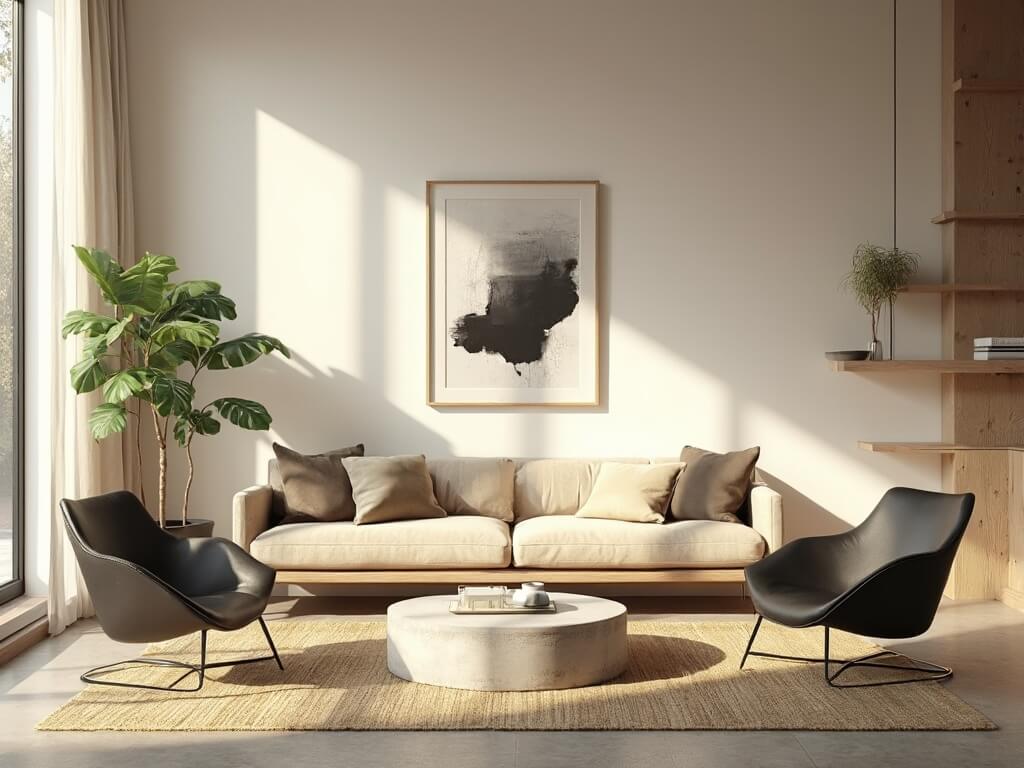
Japandi Interior Design: A Harmonious Blend of Scandinavian and Japanese Aesthetics
Step into an environment that exudes clarity, warmth, and serene tranquility all at once. This is the essence of Japandi—a captivating design approach that fuses the practicality of Scandinavian design with the refined simplicity of Japanese minimalism.
Understanding Japandi: More Than Just a Trend
Japandi transcends mere decoration; it embodies a way of life focused on eliminating excess and embracing purposeful elegance.
Fundamental Concepts:
- Minimalism that feels alive and inviting
- Purpose-driven functionality
- Balance between simplicity and coziness
- Appreciation for organic materials
- Deliberate use of empty space
The Essence of Japandi: Where Nordic Meets Eastern Elegance
Color Schemes: Tranquility with Depth
Palette Highlights:
- Soft off-whites
- Earthy beige and taupe
- Subdued natural browns
- Gentle shades of gray
- Warm wood hues
Material Selection: Authenticity and Texture
Preferred Materials:
- Light-toned oak
- Rich walnut
- Bamboo accents
- Natural linen fabrics
- Stone surfaces
- Wool textiles
- Hand-thrown ceramics
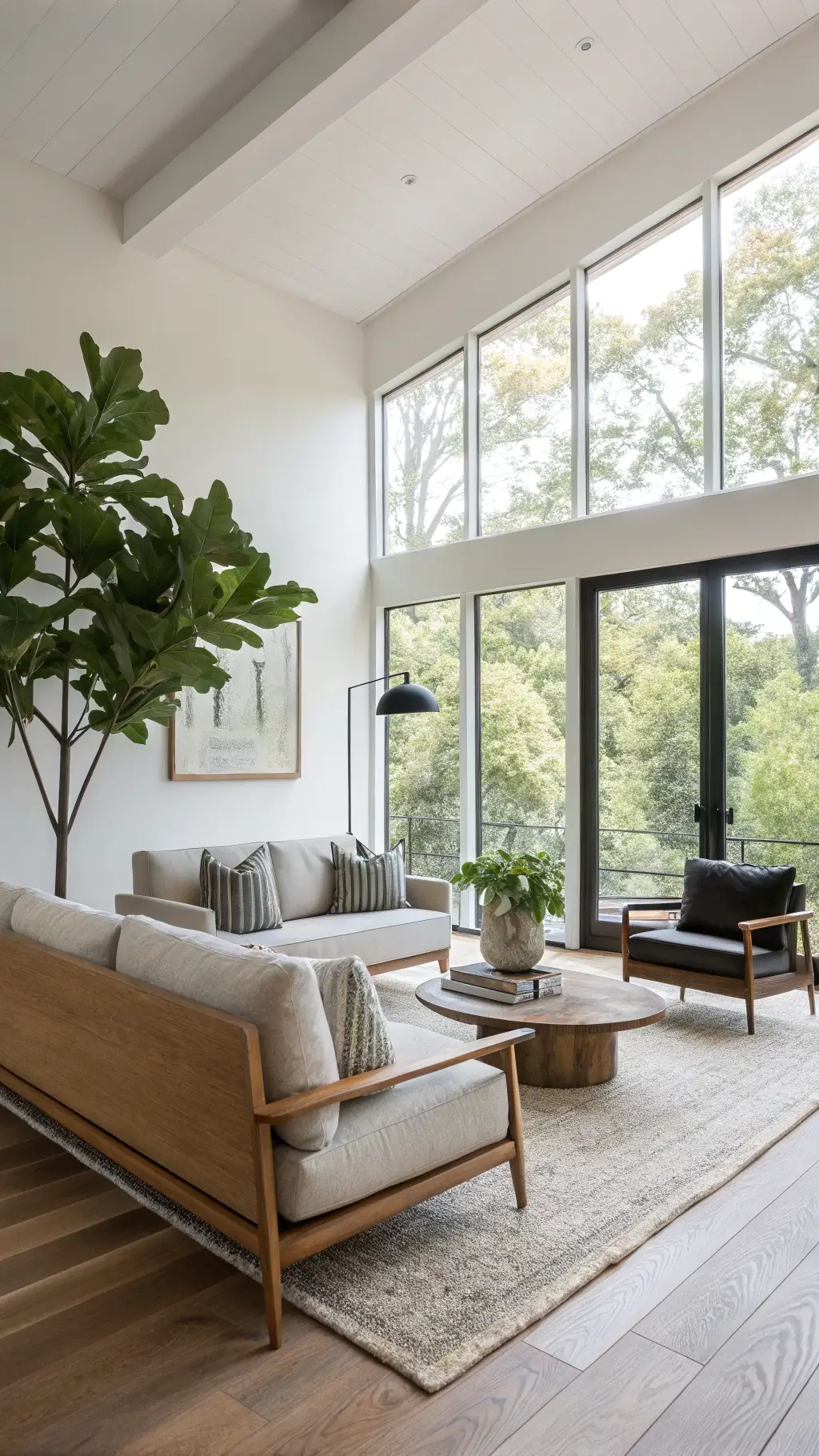
Japandi Furniture: Where Simplicity Meets Practicality
Defining Features of Japandi Furnishings:
- Low-slung silhouettes
- Streamlined, clean edges
- Ergonomically designed forms
- Minimal decorative details
- Versatile, multi-use pieces
Transforming Your Home with Japandi: Room-by-Room Insights
Living Area
- Walls painted in neutral tones
- Furniture with sleek, simple profiles
- Soft, tactile throws and cushions
- Minimalist wall art
- A single standout plant for natural vibrancy
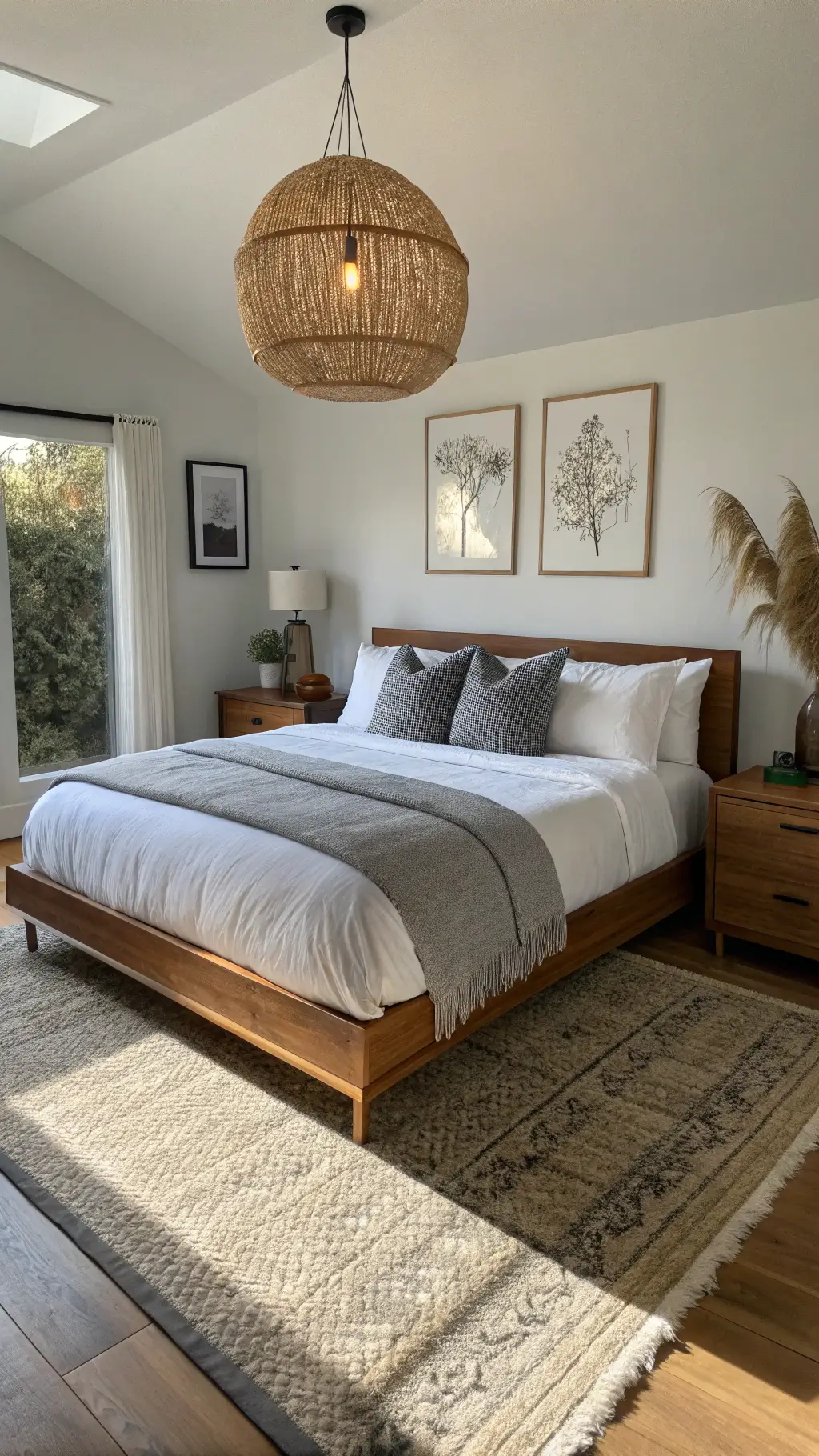
Sleeping Quarters
- Platform-style bed frames
- Subdued, calming bedding colors
- Clear, uncluttered surfaces
- Warm, diffused lighting
- Rugs made from natural fibers
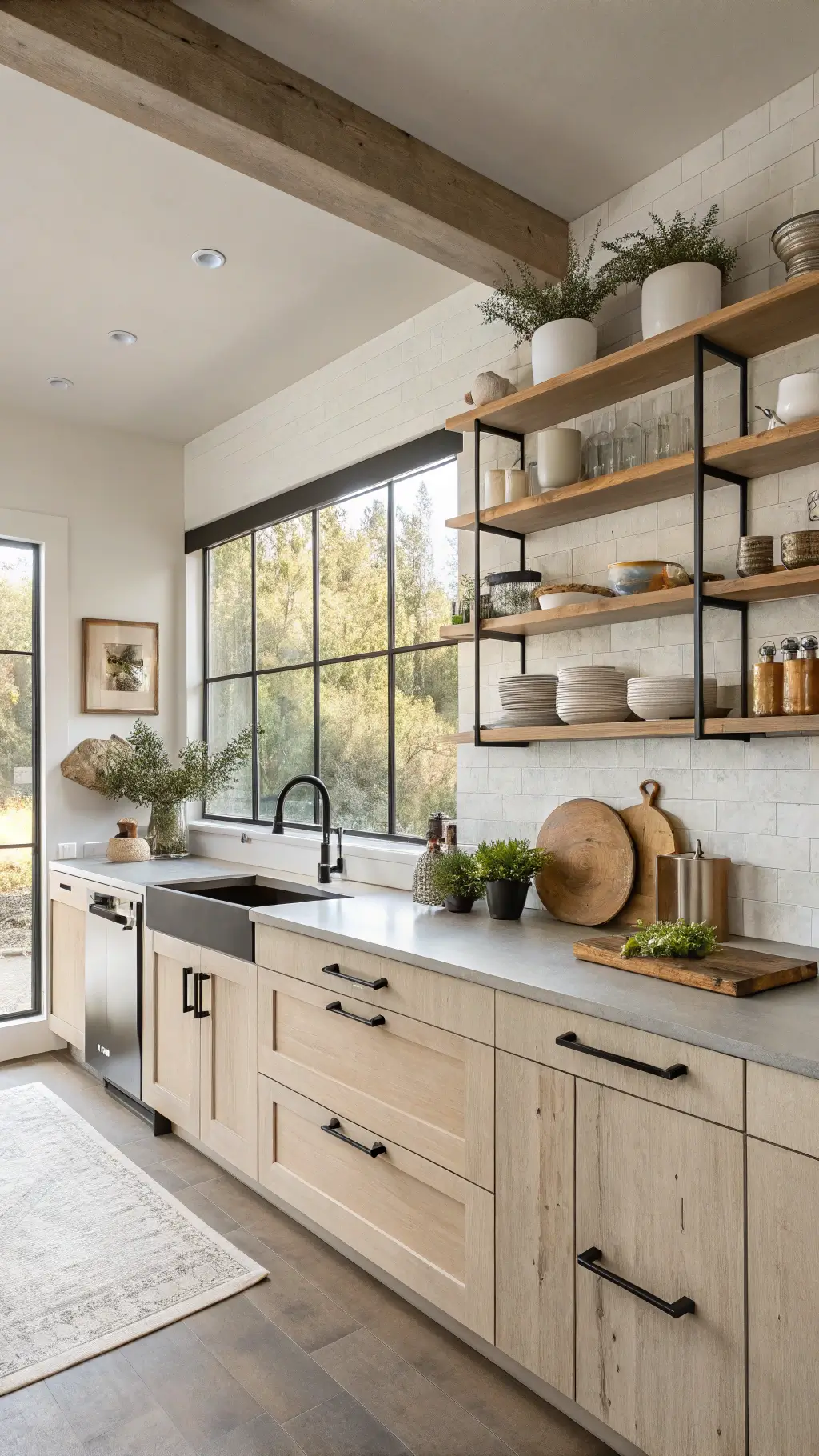
Kitchen Space
- Open shelving to display essentials
- Wooden cooking tools
- Artisanal ceramic dishware
- Minimal decorative elements
- Neutral, soothing color palette
Professional Styling Advice for Japandi Interiors
Insider Tips:
- Focus on layering different textures rather than accumulating items
- Value the power of empty space to create calm
- Invest in quality pieces over quantity
- Combine light and dark wood finishes for visual interest
- Highlight artisanal craftsmanship
Common Pitfalls to Steer Clear of in Japandi Design
What to Avoid:
- Filling spaces with too many objects
- Following fleeting trends instead of timeless design
- Neglecting the importance of natural light
- Overlooking comfort in favor of aesthetics
- Being inflexible with the style’s principles
The Cultural Roots of Japandi Design
This style is a beautiful fusion of two rich traditions:
- Scandinavian Hygge: Emphasizing warmth and coziness
- Japanese Wabi-Sabi: Finding beauty in imperfection and transience
Budgeting for a Japandi Makeover
Estimated Investment Levels:
- Entry-level: $500 – $2,000
- Mid-tier: $2,000 – $5,000
- Premium: $5,000 and above
Eco-Friendly Aspects of Japandi Design
Japandi is not only visually appealing but also environmentally responsible:
- Use of long-lasting, sustainable materials
- Designs that transcend trends for longevity
- Reduction of waste through mindful choices
- Emphasis on natural, renewable resources
- Furniture crafted to endure
Concluding Thoughts: Embracing Japandi as a Lifestyle
Japandi represents a conscious decision to prioritize simplicity, quality, and intentional living.
It transforms your home into a peaceful, practical, and understatedly elegant retreat.
Thinking about refreshing your space?
Begin with one carefully chosen item and build from there.
Explore Japandi furniture, natural linen rugs, and handcrafted ceramics to start your Japandi journey today.