 efistu.com Home Decor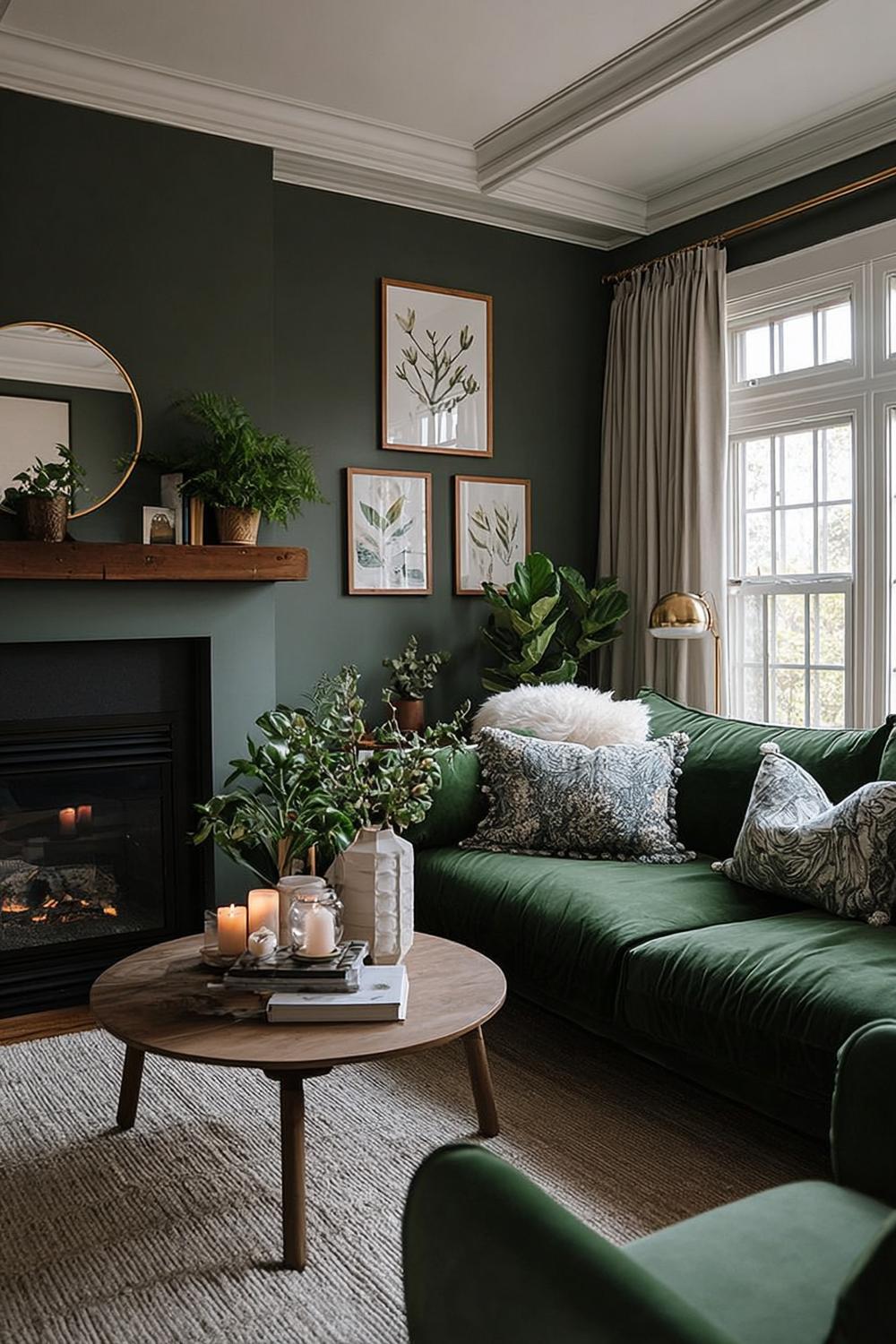
Once confined to subtle touches like a single plant or a muted wall, green has evolved into a defining hue that infuses interiors with vitality, tranquility, and depth. Beyond fleeting trends, it revitalizes dull spaces, transforming them into serene sanctuaries.
From deep forest tones to crisp mint shades, green interacts beautifully with natural light and varied textures. Whether used boldly or as delicate accents, it introduces a soothing balance that grounds any room while refreshing its atmosphere.
1. Layer Diverse Houseplants to Cultivate a Fresh Mint Ambiance
Consider how a single fiddle leaf fig can transform a room’s vibe—now imagine combining plants of varying heights and textures for a richer effect. Begin with a towering monstera in a corner, then complement it with cascading pothos on floating shelves.
The visual intrigue intensifies when you mix leaf shapes: pairing broad elephant ear leaves with delicate ferns creates a dynamic rhythm that paint alone cannot replicate. Each plant interacts uniquely with sunlight throughout the day, offering a living, shifting display.
This botanical layering has transcended trends, becoming a timeless design strategy that continues to inspire innovative plant arrangements.
2. Choose a Sleek, Low-Profile Coffee Table to Enhance Modern Minimalism
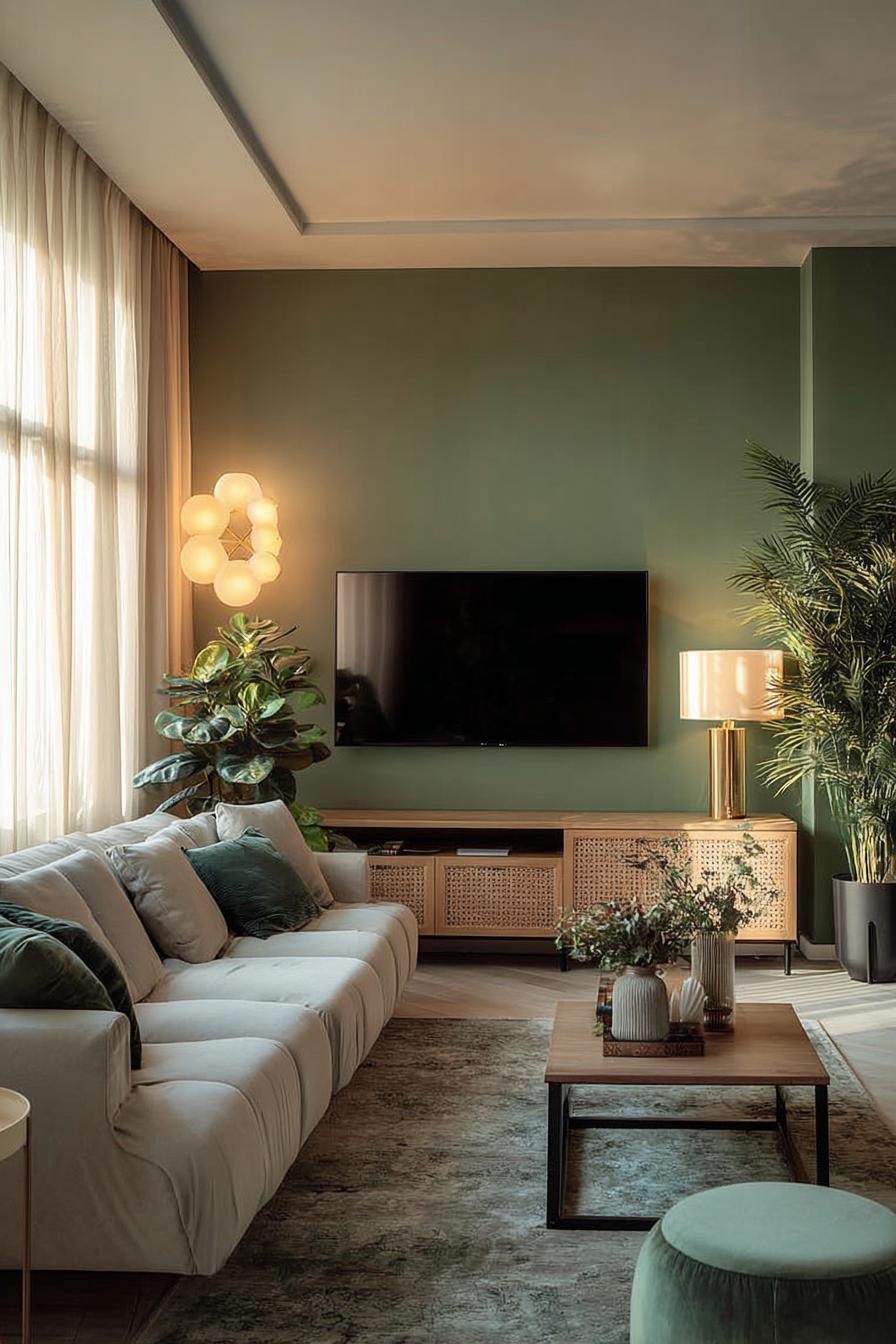
Oversized coffee tables can obstruct both movement and the visual flow that allows green accents to shine. Opting for a minimalist, low-profile table instantly opens the space, letting your eyes glide effortlessly across the room.
Imagine a glass-topped table standing just under eighteen inches tall, which allows an olive-hued sofa and botanical artwork to take center stage while the table appears to float. The transparency unites green tones scattered throughout the room.
Neglecting this advice risks your carefully curated green elements being overshadowed by bulky wooden furniture.
3. Create Depth with Staggered Greenery for a Natural Living Room Atmosphere
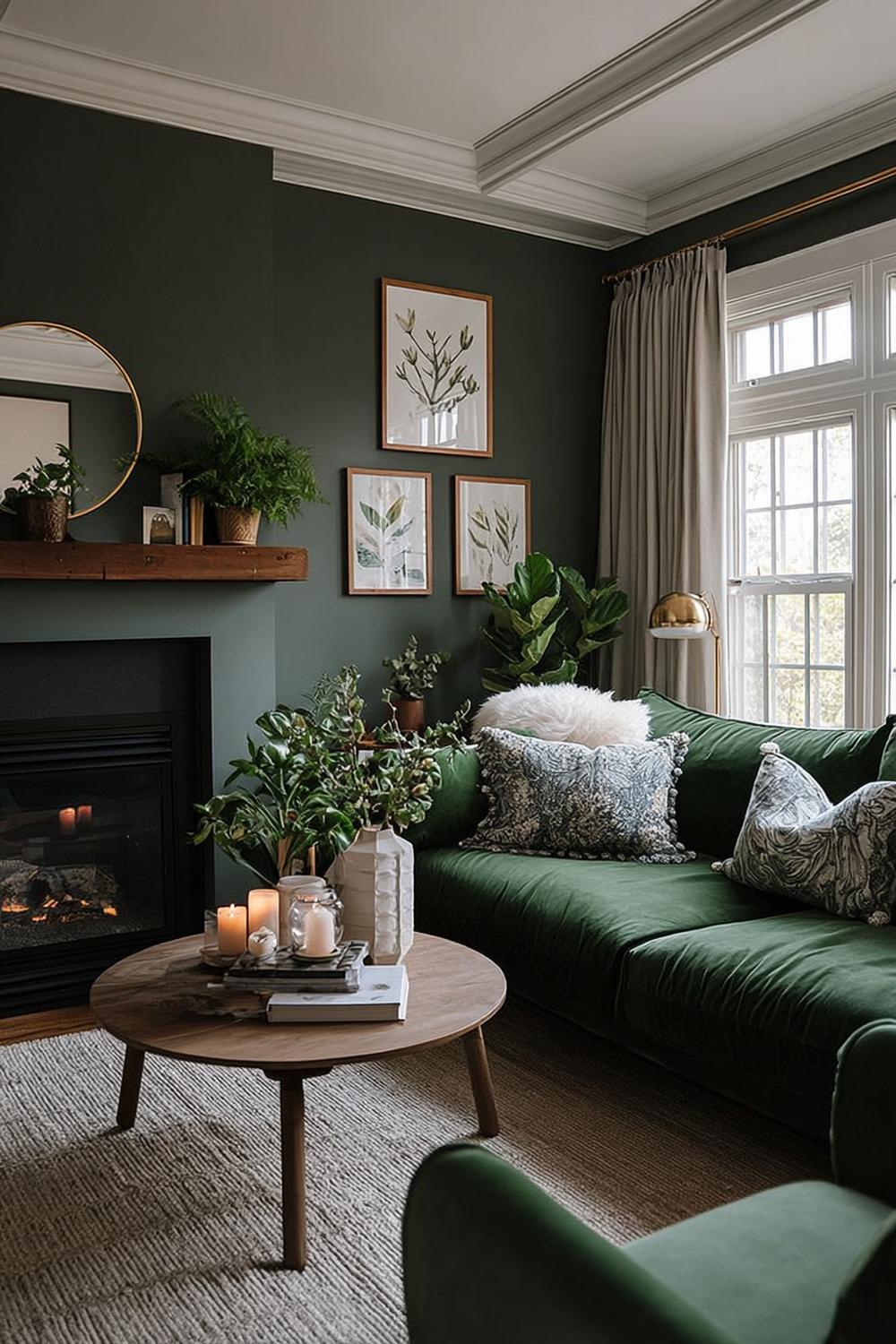
One surprising design secret is that arranging plants and natural elements at varying heights adds a dimensionality that flat surfaces cannot achieve. This includes not only live plants but also dried eucalyptus branches reaching upward and moss-covered stones anchoring tabletops.
Designers often recommend grouping items in odd numbers—threes or fives—to maintain visual interest across different zones. For example, a tall palm near a window can dialogue with medium-sized snake plants on a console, while small succulents pepper a bookshelf.
The contrast of textures—glossy leaves against matte ceramics, rough bark beside smooth stones—keeps the eye engaged and the space feeling alive.
Layered greenery breathes life into static rooms, creating an organic rhythm that evolves naturally.
4. Incorporate Warm Wooden Flooring to Foster a Cozy, Inviting Space
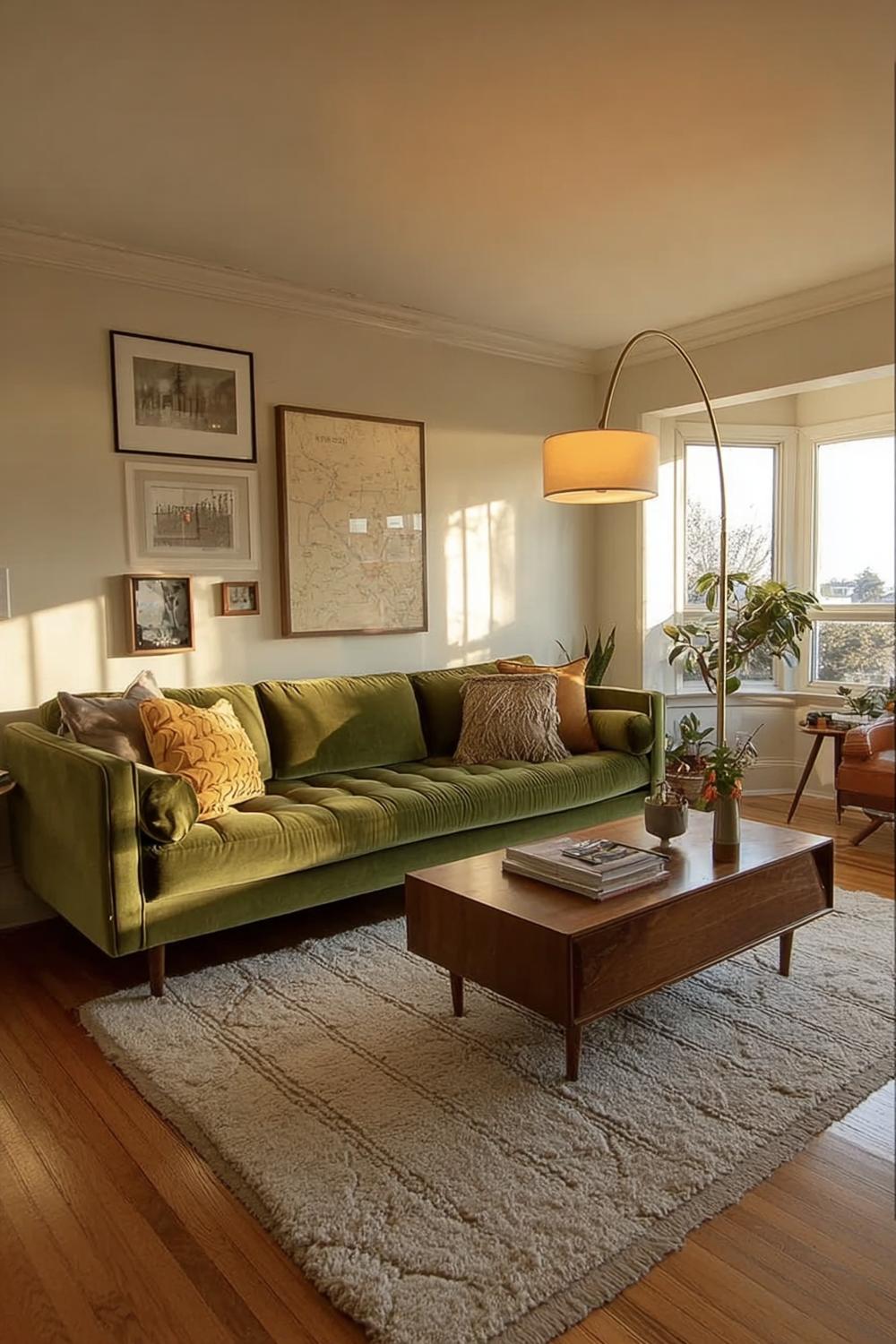
Warm wood flooring, such as honey-toned oak or walnut, has long been celebrated for its ability to complement green hues in interiors. This natural foundation enhances botanical colors in ways that carpet simply cannot.
The organic grain patterns in wood echo the shapes found in leaves and stems, creating a harmonious visual flow that feels intentional and grounded. The amber undertones in wood prevent cooler greens from appearing sterile, while the reflective finish amplifies natural light, brightening plants and textiles alike.
Understanding this principle sets the stage for selecting furniture that further elevates your green-themed living room.
5. Introduce a Sage Green Armchair for Understated Sophistication
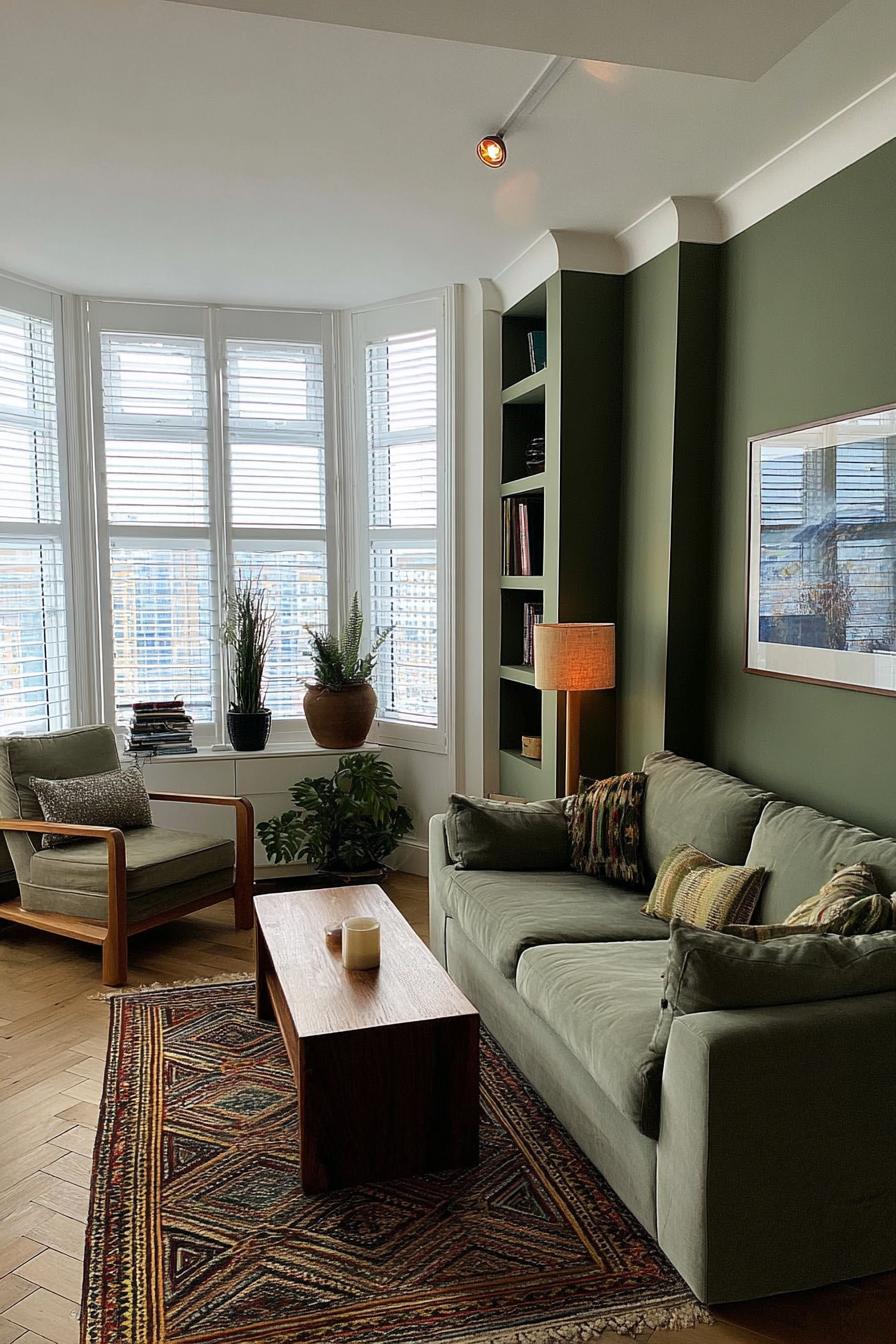
Replacing a dark vintage leather armchair with one upholstered in soft sage green velvet can dramatically brighten a shadowy corner. The color subtly shifts with changing light, ranging from muted grey-green to shimmering silver tones.
Pairing this chair with a cream-colored throw adds texture and softens the room’s overall ambiance. Sage green offers a gentle alternative to brighter greens, appealing even to those hesitant about bold color choices.
This single furniture update often inspires further botanical touches, such as eucalyptus stems or nature-inspired prints.
6. Craft a Dynamic Gallery Wall with Botanical Art for Visual Interest
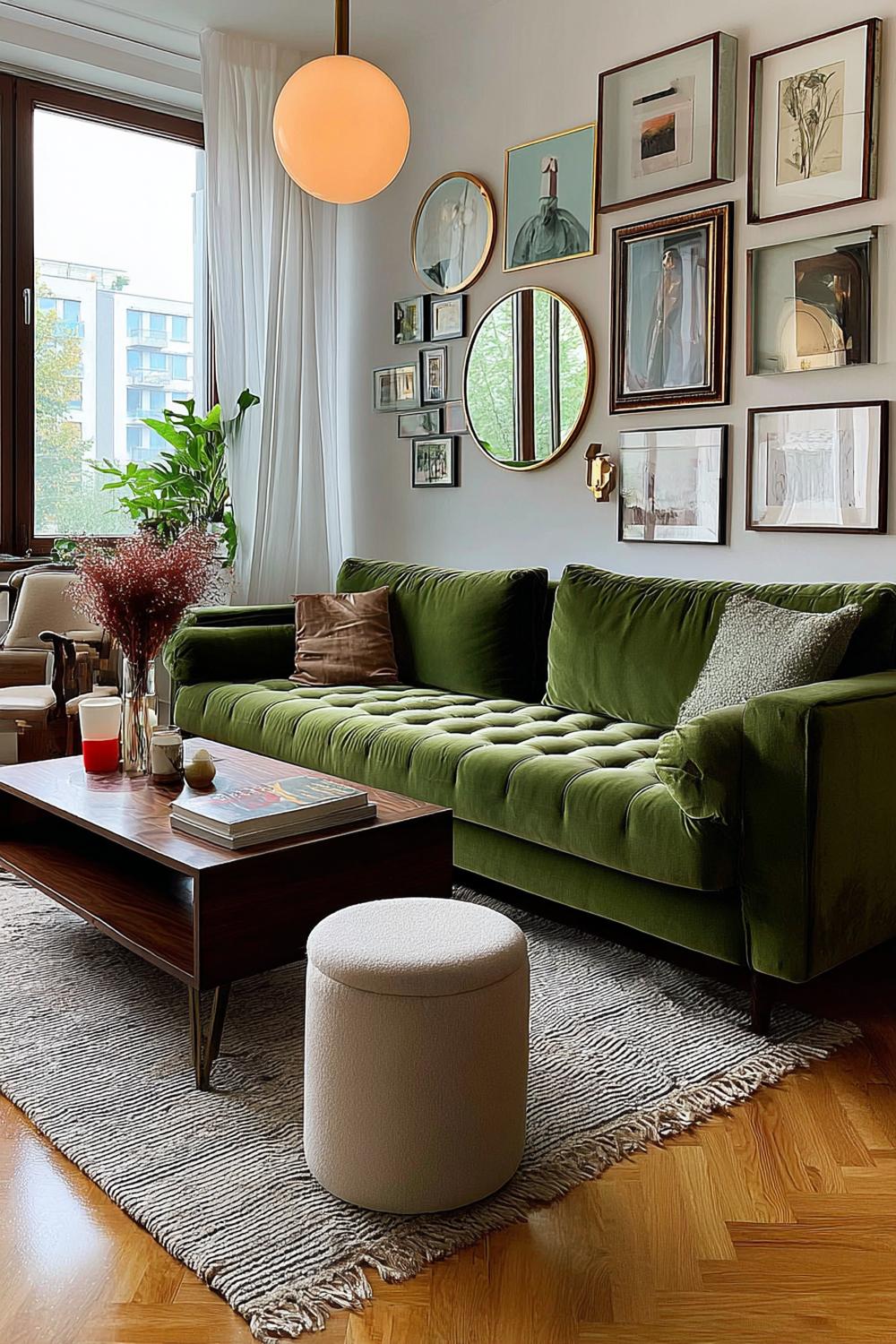
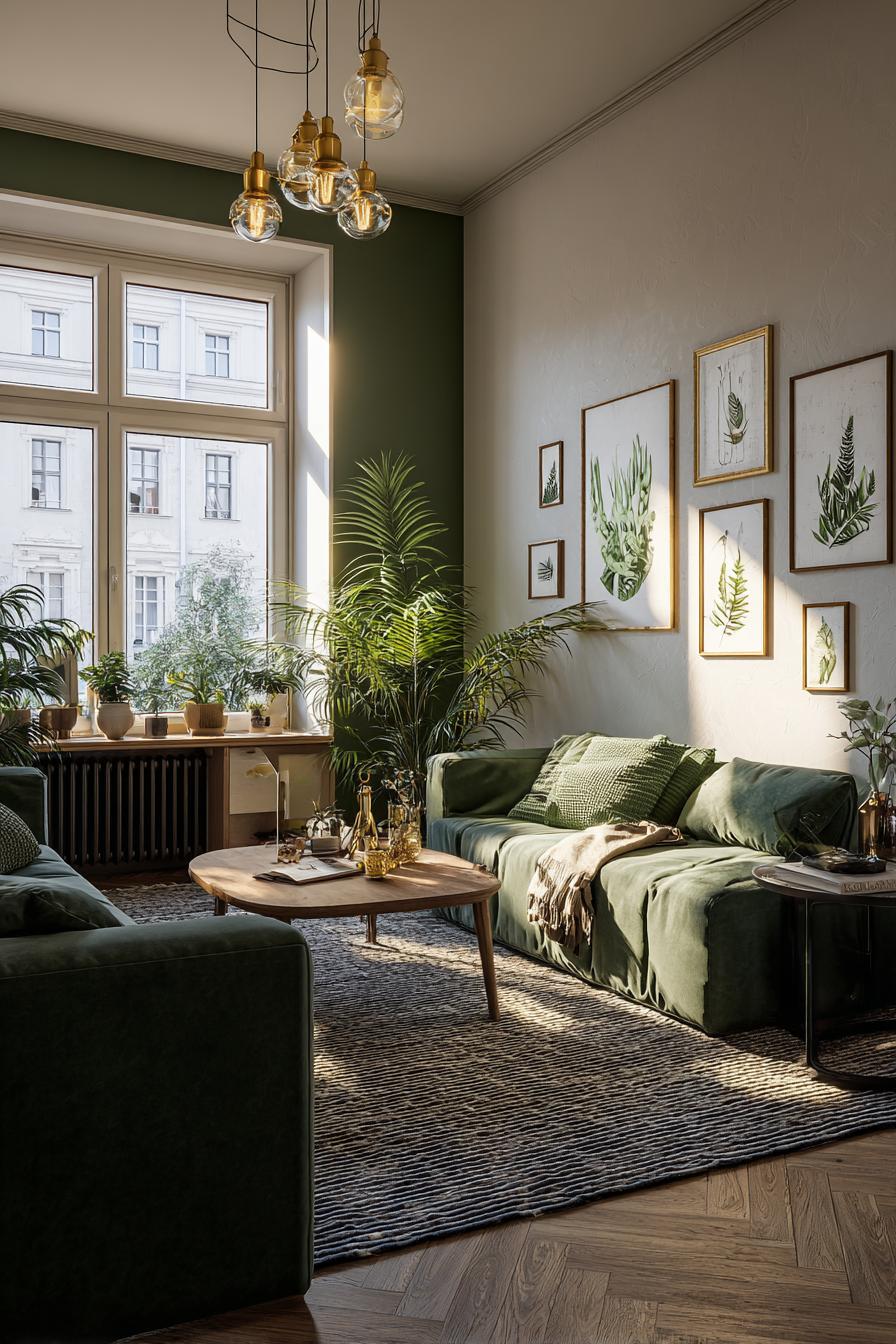
Move beyond symmetrical layouts by arranging botanical prints in an asymmetrical gallery wall. Combine vintage fern illustrations with contemporary abstract leaf designs, mixing frame finishes from brass to matte black for added texture.
This arrangement draws the eye upward, visually expanding the room’s height while celebrating green through art. It’s an excellent way to incorporate green tones without committing to permanent decor changes.
7. Highlight Contemporary Lighting to Enhance a Bright, Stylish Ambiance
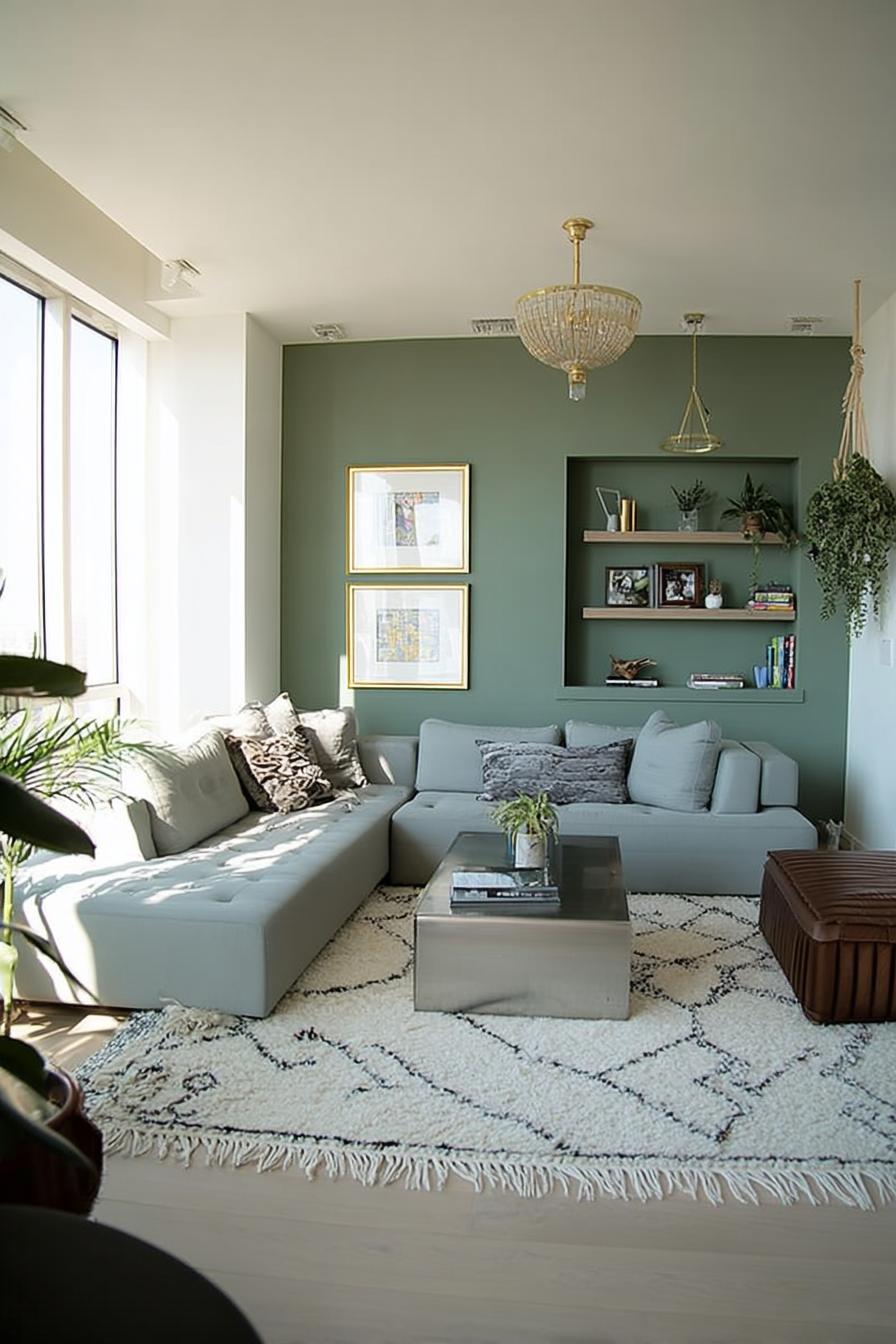
Modern lighting fixtures do more than illuminate—they serve as sculptural accents that complement your green palette. Consider pendant lights in brushed brass that catch morning light, floor lamps with sage-colored shades casting warm pools, and LED strips behind shelves that make plants glow after dark.
Choosing fixtures with organic curves or botanical motifs reinforces the natural theme. Additionally, warmer light bulbs create a cozy atmosphere by softening greens, while cooler bulbs enhance their crispness.
Updating outdated lighting can dramatically transform how your green elements appear and feel.
8. Maximize Sunlight with Expansive Windows for an Airy, Vibrant Room
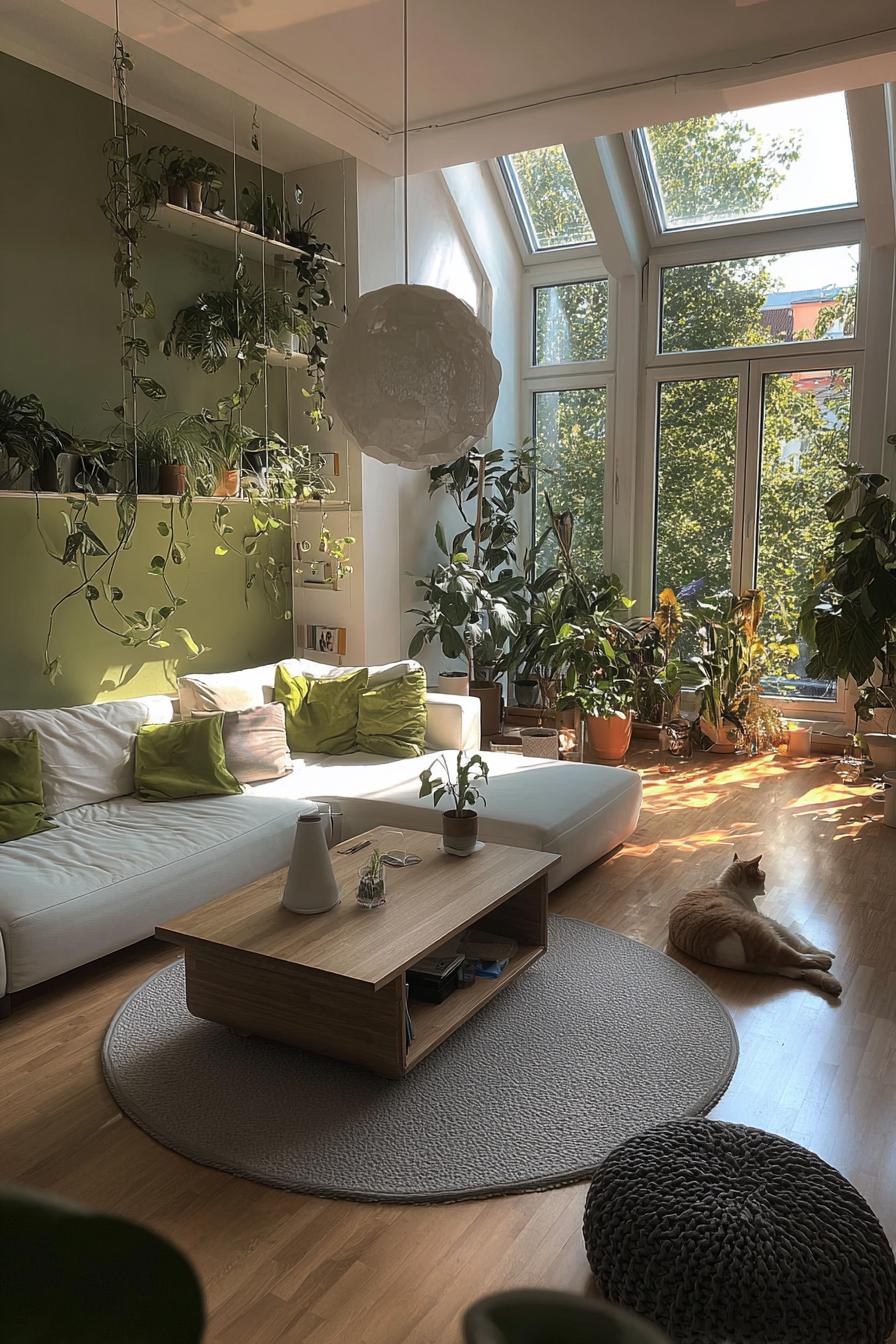
While older homes often used heavy drapes for insulation, modern energy-efficient windows allow for bright, open spaces flooded with natural light. Green plants and decor thrive best under this illumination, which artificial lighting cannot replicate.
Position your most vibrant green accents—whether plants, cushions, or artwork—where sunlight hits directly during peak hours. Morning rays reveal yellow undertones, while afternoon light deepens hues toward rich forest greens.
If privacy is a concern, consider decorative window films with geometric patterns that maintain brightness while adding visual interest.
9. Curate Books and Decorative Items to Reinforce a Cohesive Green Palette
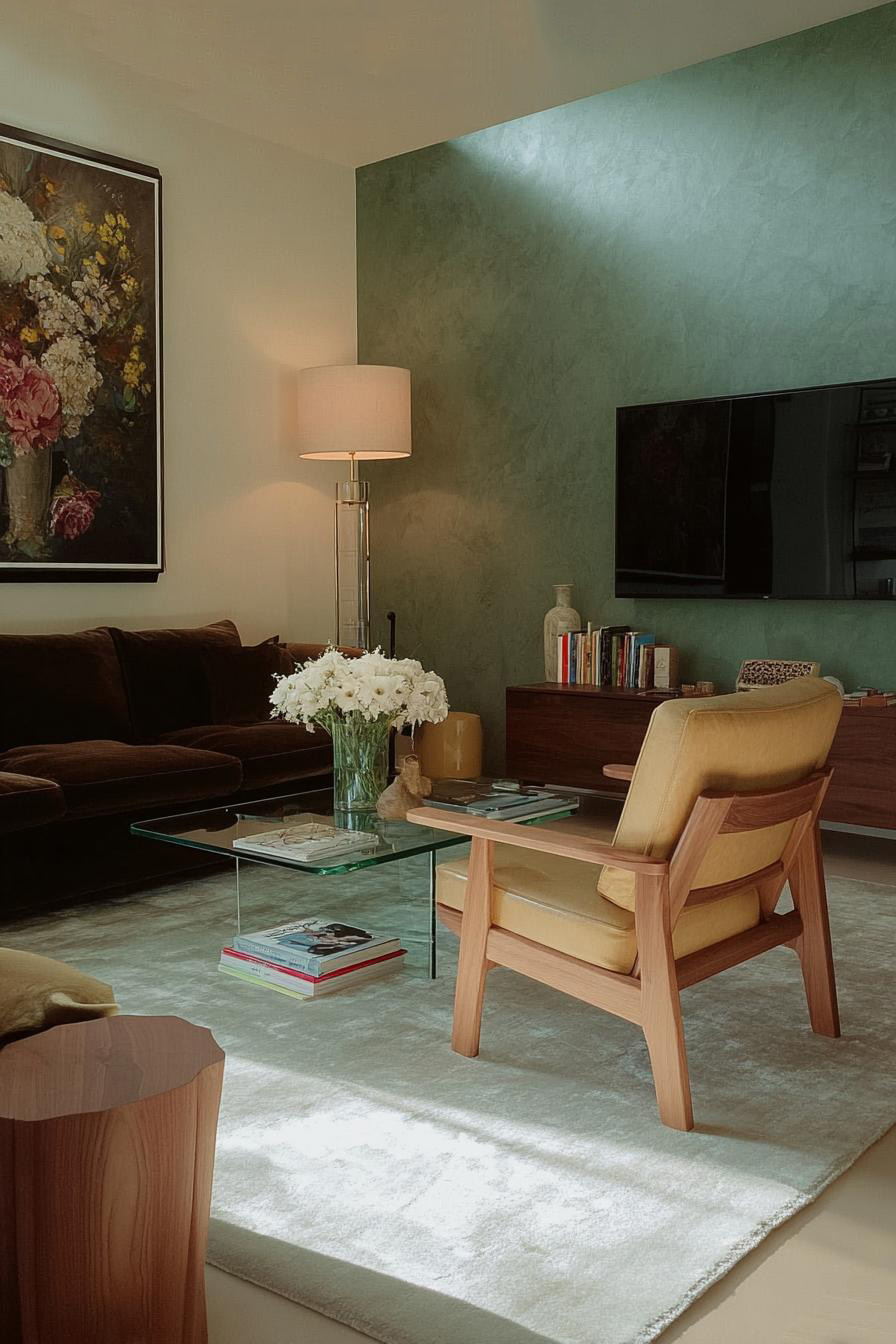
Books with green spines serve as more than reading material—they act as design elements that strengthen your room’s color story. Alternating these volumes with cream ceramics and small plants creates a rhythmic, intentional display.
Pay attention to how different green shades interact: emerald book covers beside sage pottery, accented by brass bookends catching the light, build micro-compositions that contribute to the room’s overall harmony.
10. Combine Metallic Touches with Olive Tones for Elegant Sophistication
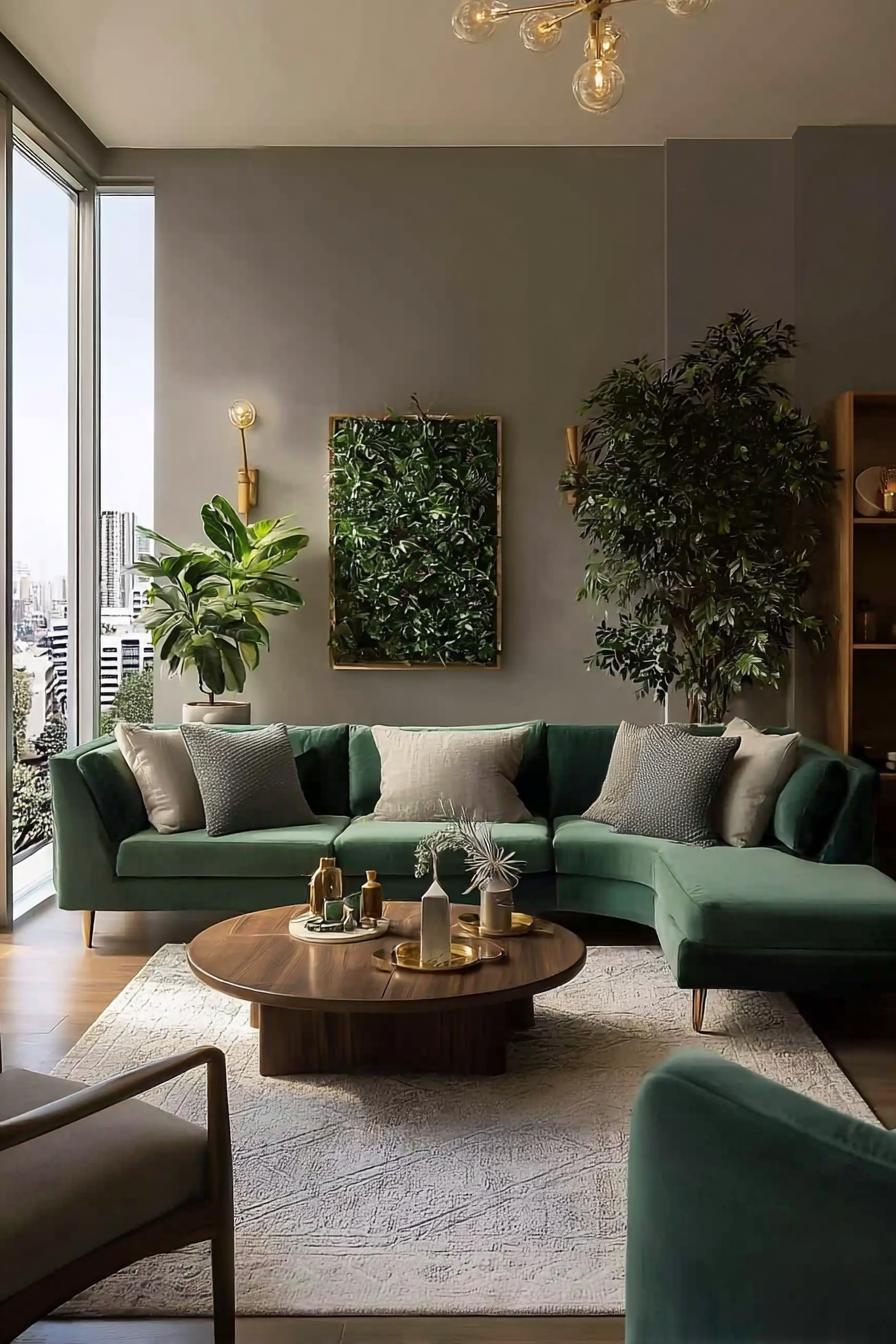
The pairing of olive green with warm metals like gold or copper creates a rich, layered aesthetic reminiscent of fine wine. Imagine olive linen curtains framing a vintage brass mirror or copper planters holding trailing ivy against olive-painted walls.
These metals soften the sometimes austere feel of olive hues, while the earthy green tones ground the metallic shine, resulting in a balanced and sophisticated look.
11. Make a Statement with Black-Framed Green Built-In Shelving
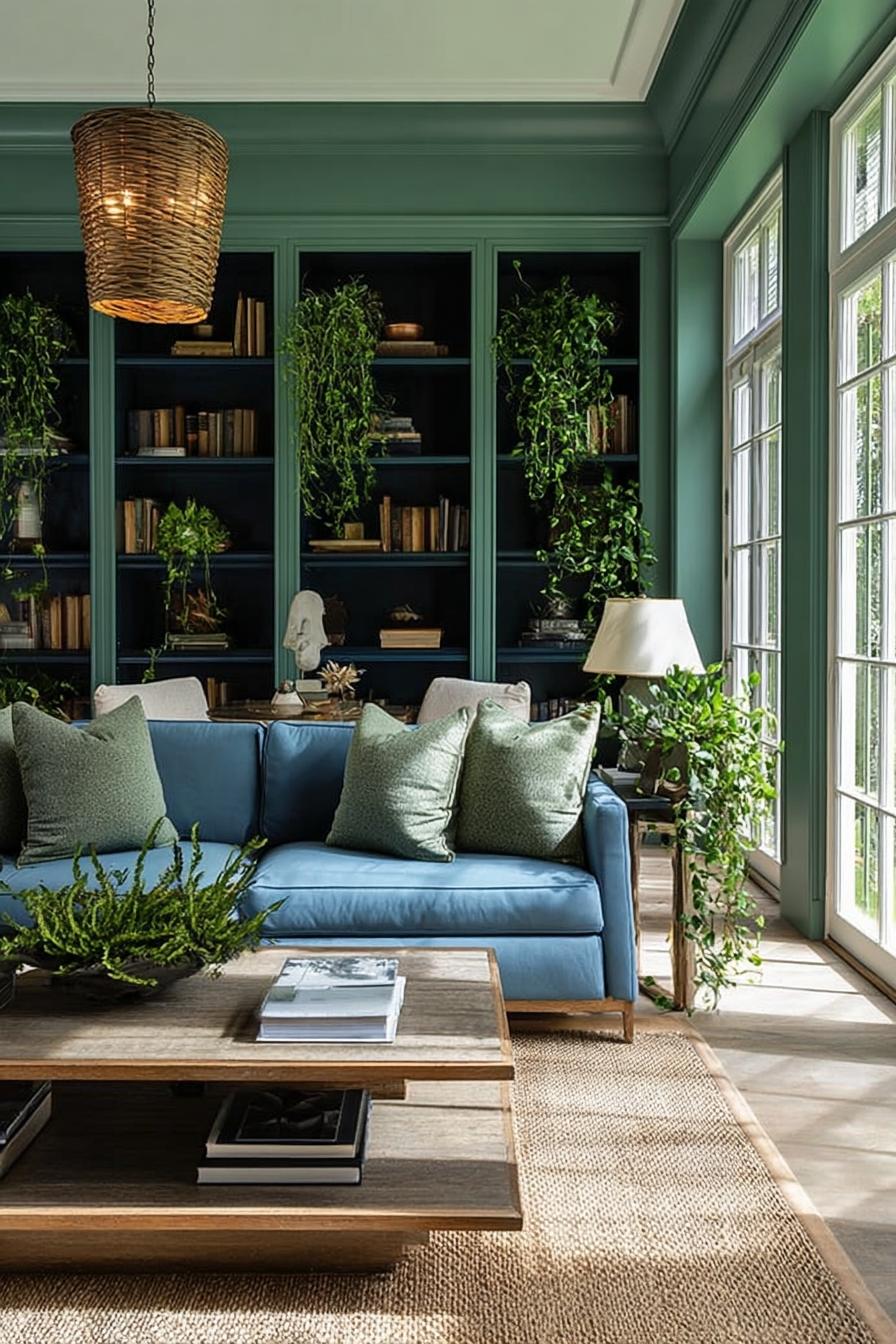
For a bold, enduring design, black shelving frames paired with green back panels create striking architectural features. The black edges provide graphic definition that makes the green backdrop pop vividly.
This contrast sharpens both colors, enhancing the vibrancy of green while adding depth to black. Painting the back panels in graduated green shades—from darker at the bottom to lighter at the top—adds subtle dimension without overwhelming the eye.
12. Use Wicker Baskets as Natural Storage Solutions
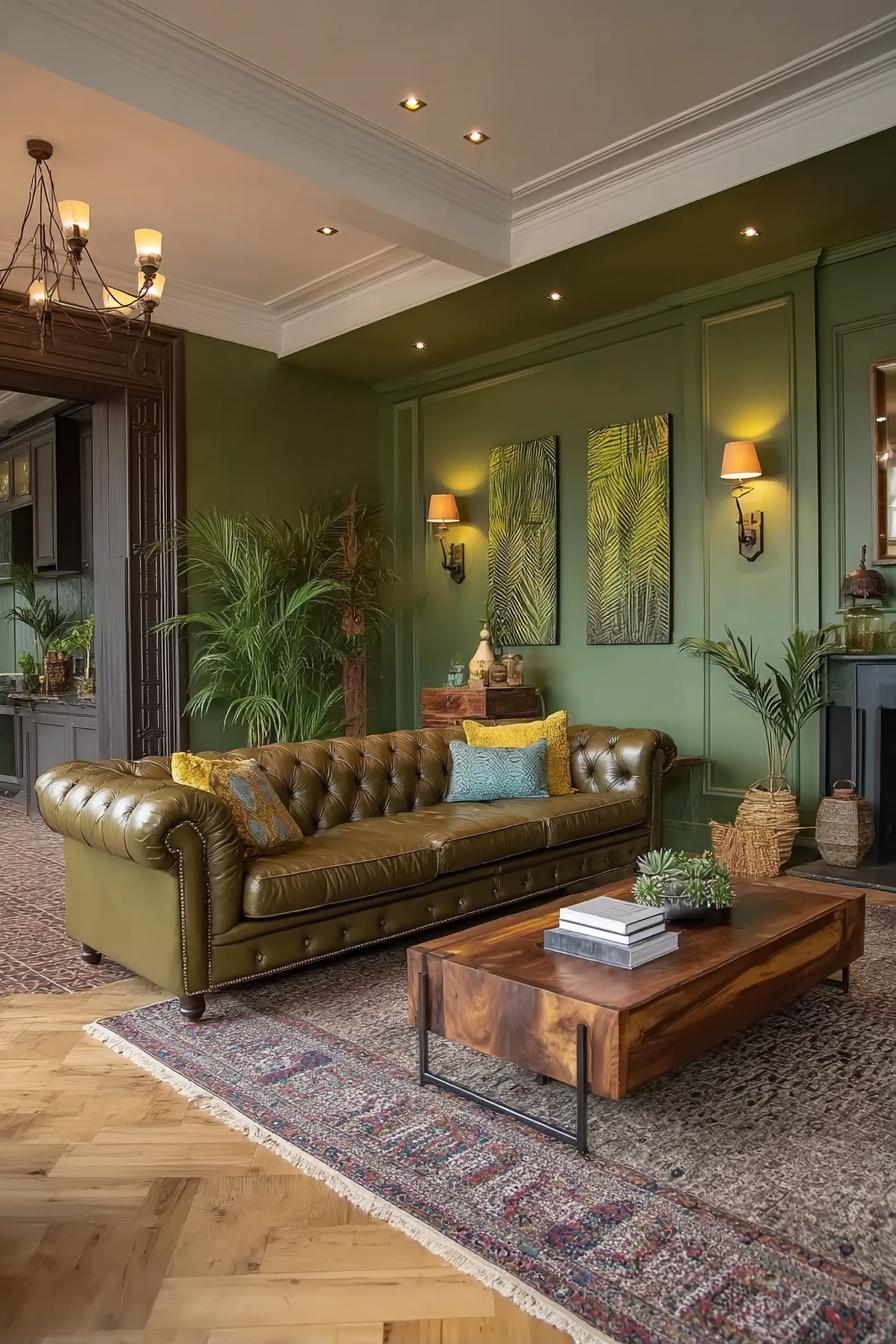
Wicker baskets bring a touch of rustic charm and texture that synthetic storage options lack. Their warm golden hues complement cool green tones, while the open weave casts shifting shadows throughout the day.
Place them under console tables, stack in corners, or hang on walls to add organic texture that harmonizes with your greenery while concealing clutter. Keep in mind that wicker requires regular dusting to maintain its fresh appearance.
13. Balance Soft Green Accents with Neutral Curtains for Subtle Elegance
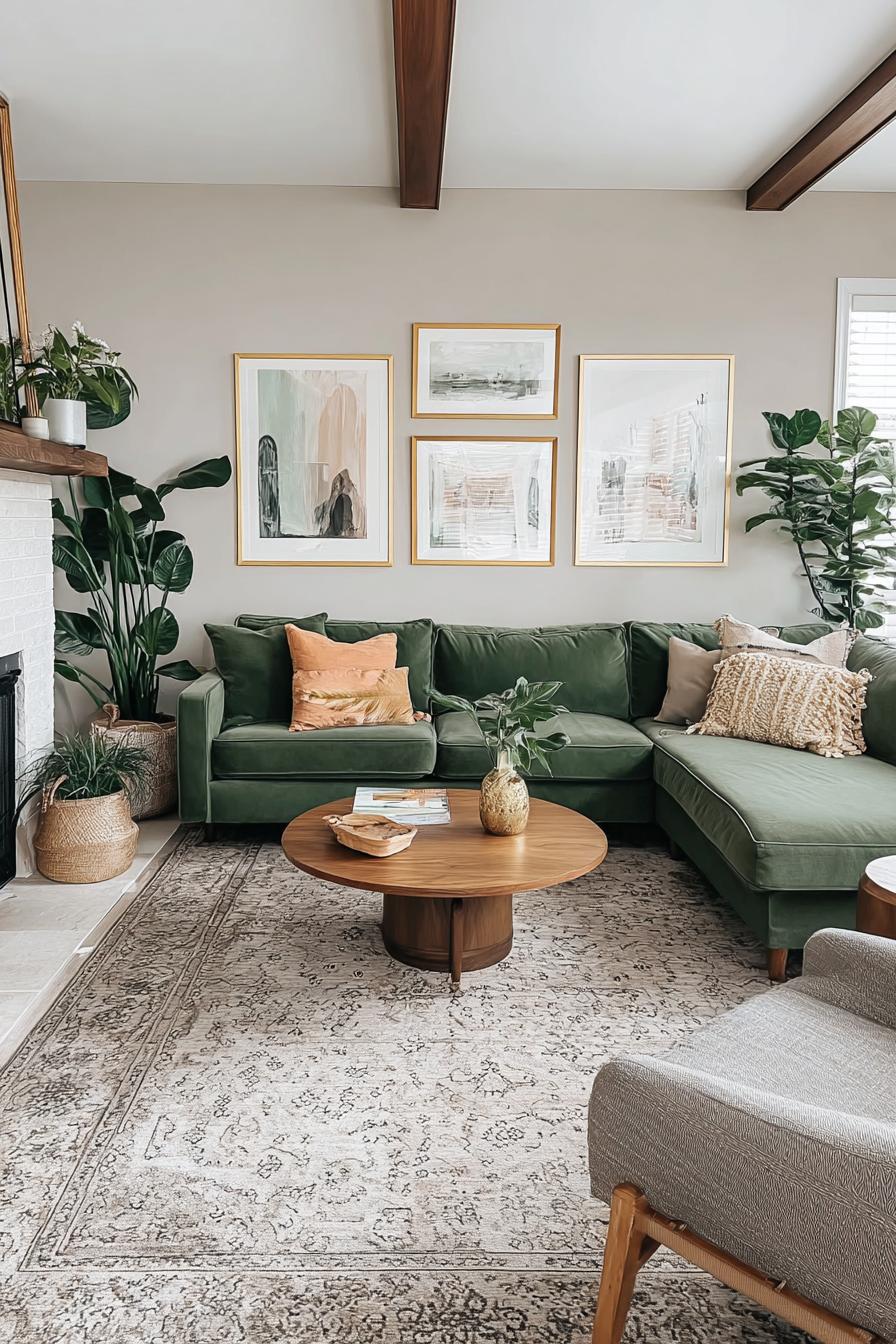
Many green-themed rooms falter by being too loud; neutral curtains provide a calming backdrop that allows green accents to shine gently. Cream or oatmeal linen panels soften room edges, complementing sage pillows and eucalyptus arrangements.
This neutral foundation offers visual rest, making green elements feel like delightful discoveries rather than overwhelming statements. For example, pairing oatmeal curtains with a single emerald armchair creates more impact than saturating the room in green.
As daylight shifts, neutral fabrics cast subtle green reflections from plants and textiles, creating a dynamic, evolving atmosphere. Exploring Scandinavian design principles can offer further inspiration for integrating these ideas across different rooms, including bathrooms.
When styling a green couch as a focal point, combining it with neutral elements maximizes visual appeal and balance.
14. Enhance Your Coffee Table with Grey and White Accents for Striking Contrast
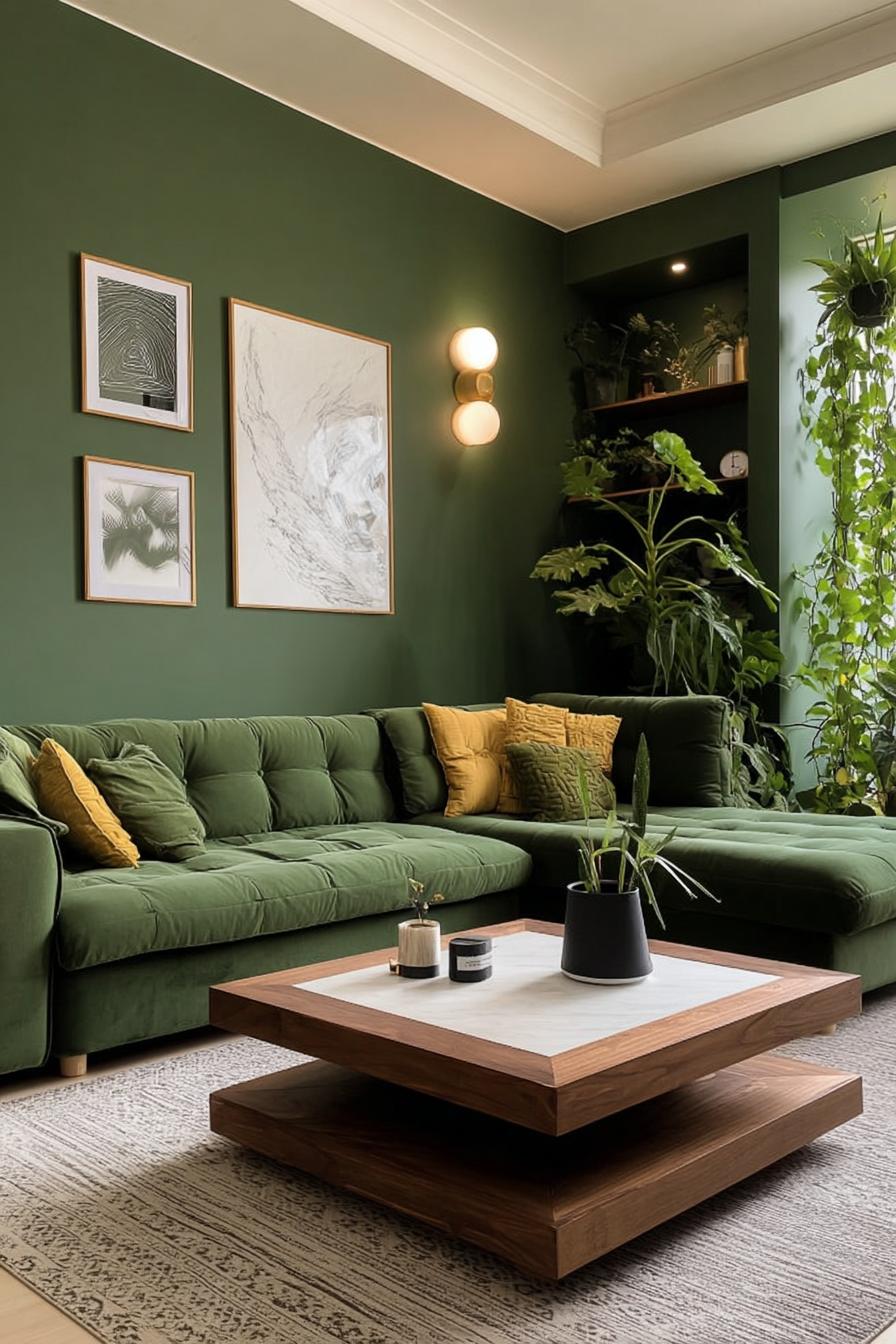
Building on the low-profile coffee table concept, use its surface as a stage for contrasting green with grey and white accessories. This technique intensifies green hues, turning simple decor into eye-catching arrangements.
For instance, a white marble tray holding sage-scented candles paired with grey stone coasters beside a small jade plant creates a neutral base that allows seasonal green accents to be swapped effortlessly.
Grey acts as a bridge between pure white and various green shades, smoothing transitions and preventing jarring contrasts.
This styling approach provides breathing space, making each green element feel deliberate and cherished.
15. Introduce a Plush Pink and Beige Throw Pillow for a Playful Accent
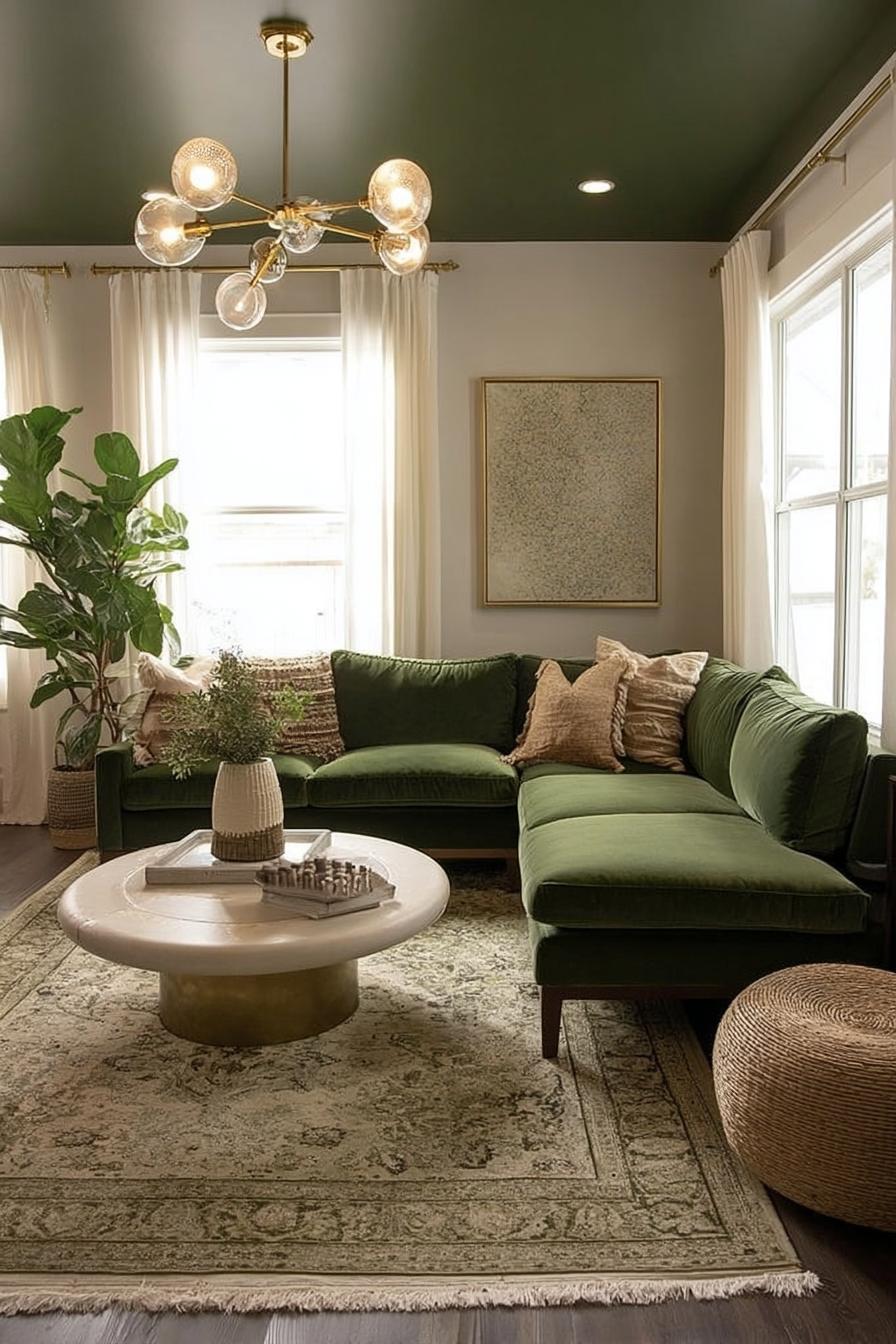
Contrary to popular belief, green and pink form a natural pairing often seen in blooming gardens. A single blush pink pillow on a sage sofa injects unexpected warmth and vibrancy.
Swap out a cream pillow for one in dusty rose velvet and observe how both colors come alive—the green appears fresher, and the pink feels grounded rather than overly sweet. Beige details, such as pillow piping or a nearby throw, harmonize these contrasting hues.
This subtle defiance of conventional color pairings encourages more adventurous choices throughout your space.
16. Curate Earthy Accessories to Evoke a Cozy Forest Retreat
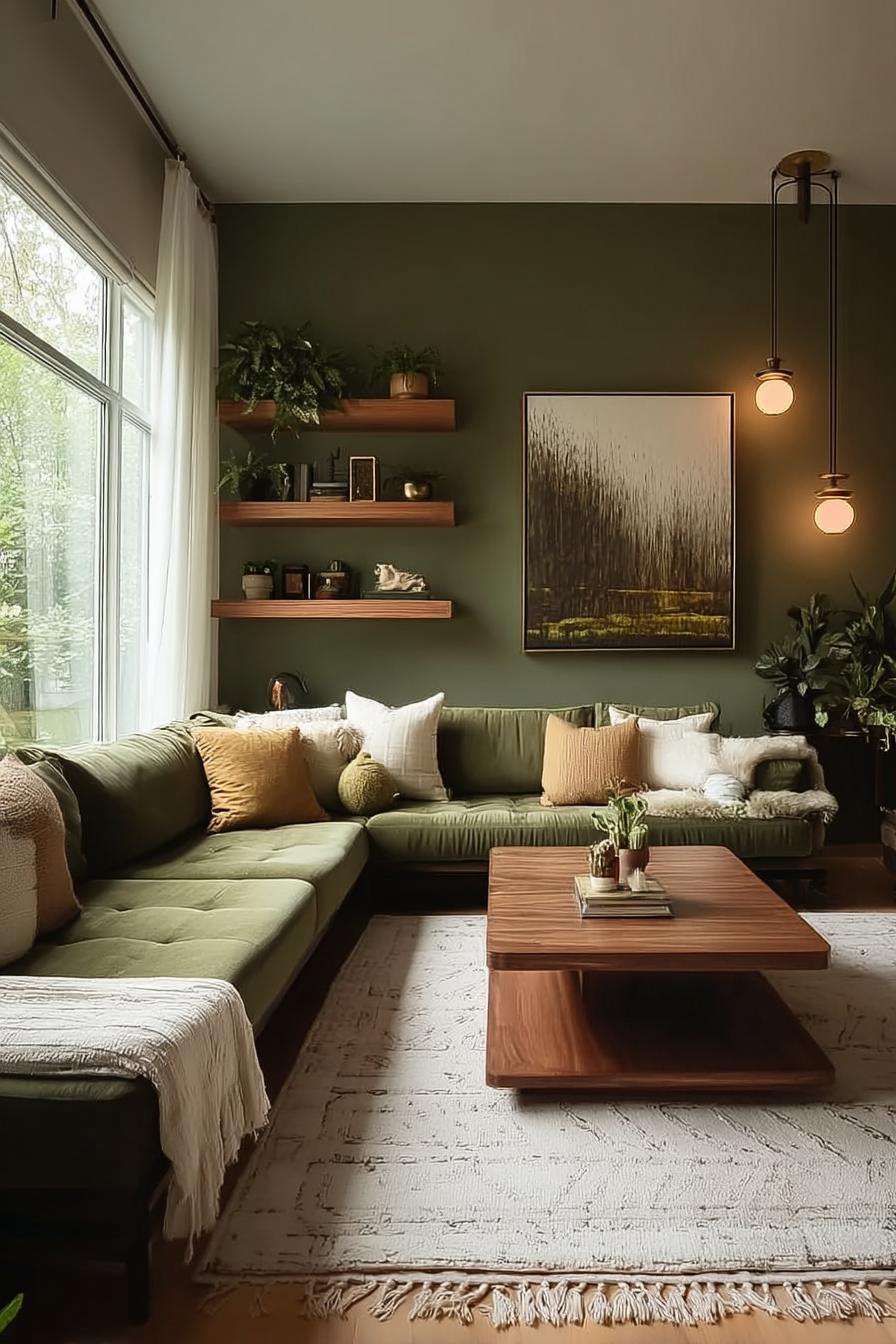
To create the feeling of stepping into a tranquil woodland clearing, cluster natural materials that tell a unified story. Rough ceramic vases filled with dried grasses, wooden bowls holding smooth river stones, and bark-textured frames layer tactile interest that synthetic items cannot replicate.
These elements resonate because they share an outdoor origin, bringing a sense of calm and authenticity indoors. Group them thoughtfully—a driftwood sculpture beside preserved ferns and moss-covered orbs creates a harmonious vignette.
Your living room shifts from a decorated space to a sanctuary that feels organically grown over time.
Final Thoughts
Green encompasses a vast spectrum—from the faintest celadon whispers to the boldest emerald statements. Each design approach, whether through striking built-ins or gentle sage accents, reshapes your living room’s character profoundly.
Begin with the idea that resonates most—perhaps layered plants or a surprising pink pillow. Once you witness how green transforms light and mood, it becomes clear why this color has enchanted designers for generations. Your living room is ready for its green renaissance.